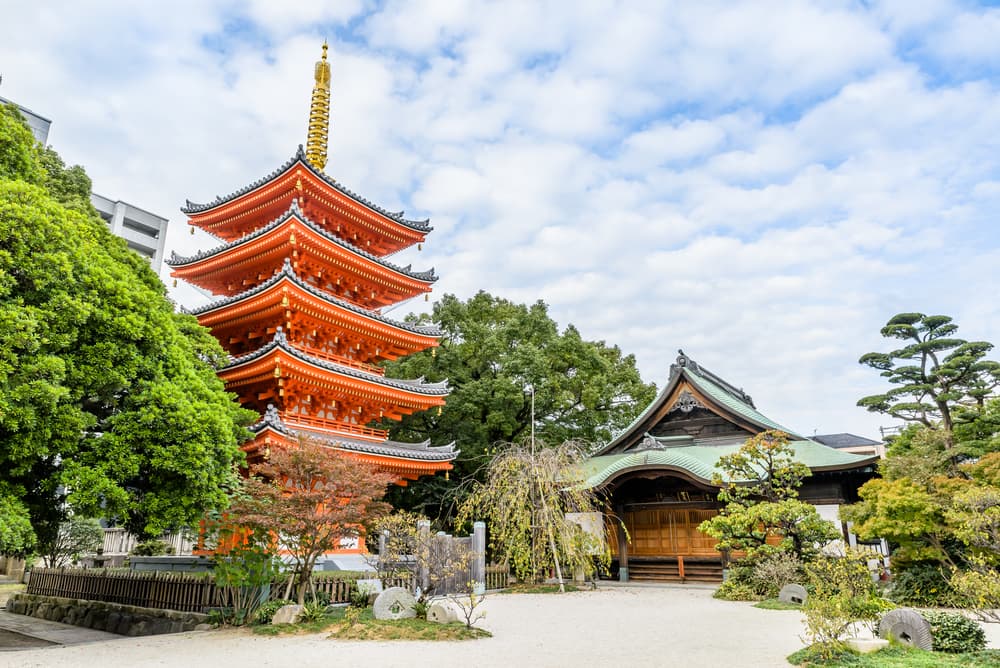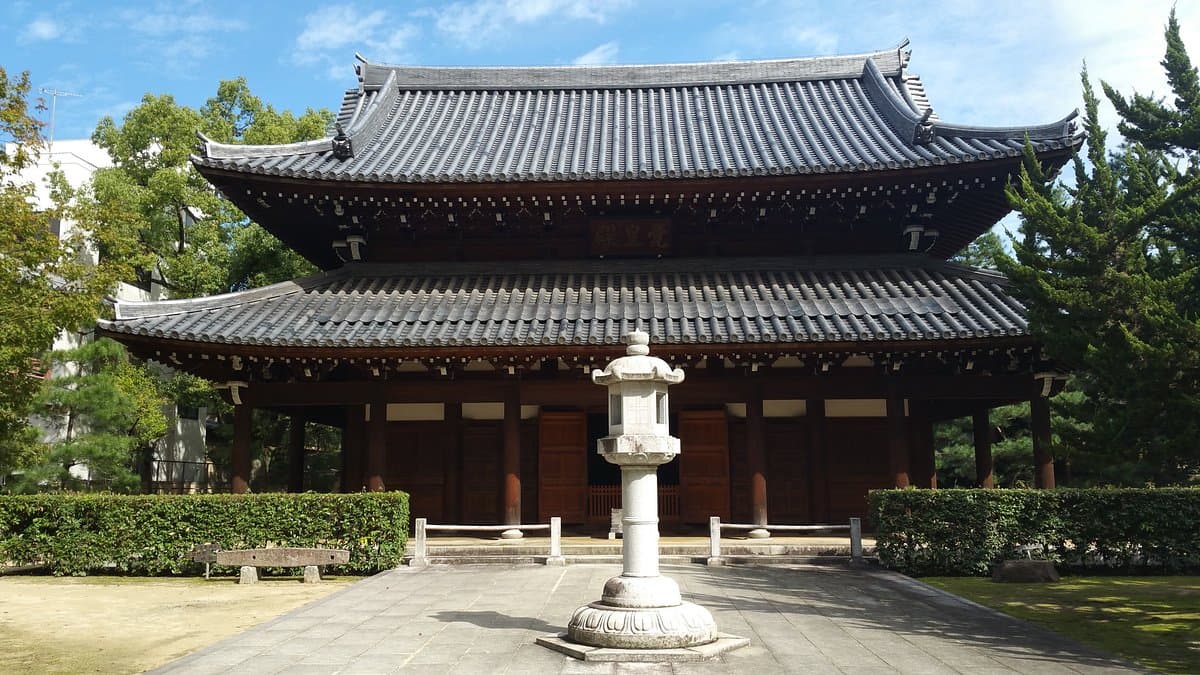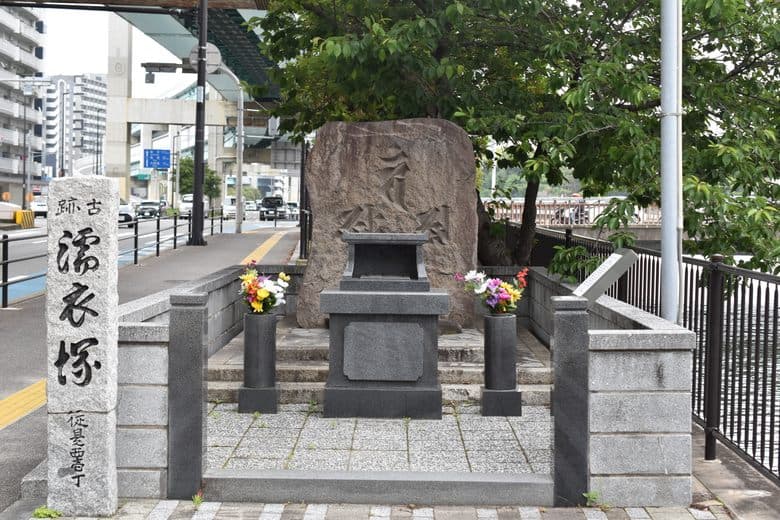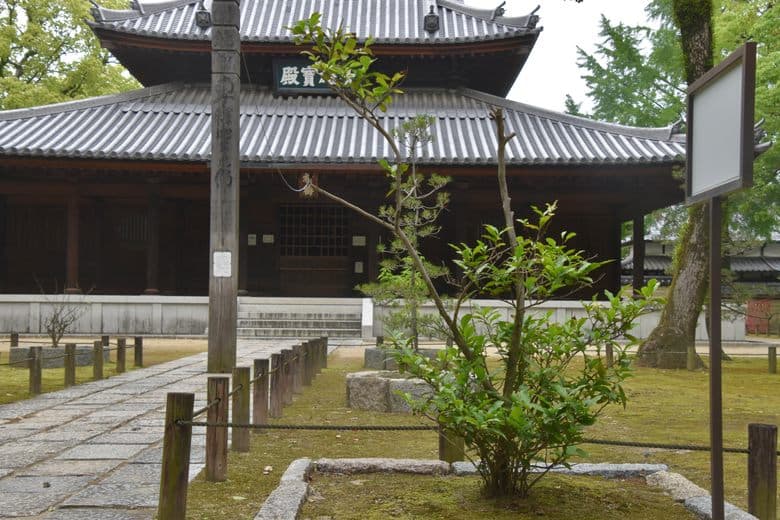
Japan's First Tea Tree, situated within the precincts of Shōfuku-ji Temple in Fukuoka, holds immense cultural and historical importance. It is a direct descendant of the tea plants introduced to Japan in 1191 by the Buddhist priest Myōan Eisai, who is credited with bringing Zen Buddhism and tea cultivation from China. This tree represents the very origin of Japanese tea culture, including the development of matcha and the elaborate tea ceremonies that are now synonymous with Japan.
Visitors consistently note that the tree itself is rather modest and might be easily overlooked without prior knowledge of its significance. Reviewers often describe it as a 'small, nondescript tree with lean branches.' The primary draw is its historical narrative rather than its visual grandeur. Many find the experience more meaningful when combined with a visit to the Shōfuku-ji Temple, Japan's oldest Zen temple, also founded by Eisai. The quiet, contemplative atmosphere of the temple grounds enhances the appreciation for this historical artifact.
To fully appreciate the site, visitors should allocate about 15-30 minutes, primarily for reflection and reading the informational plaques, if available. It is best visited during daylight hours, and combining it with a visit to Shōfuku-ji Temple is highly recommended to make the trip worthwhile. There are no specific items to bring, but a camera for the temple grounds and comfortable walking shoes are always advisable.
Shōfuku-ji Temple, where the tree is located, is easily accessible by public transport. It is a short walk from Gion Station (祇園駅) on the Fukuoka City Subway Kūkō Line. From Hakata Station, it's just one stop to Gion. Alternatively, it's about a 15-20 minute walk from Hakata Station itself, offering a pleasant stroll through the city. Parking is generally limited in the immediate vicinity, so public transport is the most convenient option.
The most common 'complaint' or observation from visitors is the tree's unassuming appearance. To mitigate potential disappointment, it's crucial to approach the site with an understanding of its historical value rather than expecting a visually spectacular landmark. Its significance lies in its story and its profound impact on Japanese culture, not its physical size or beauty.