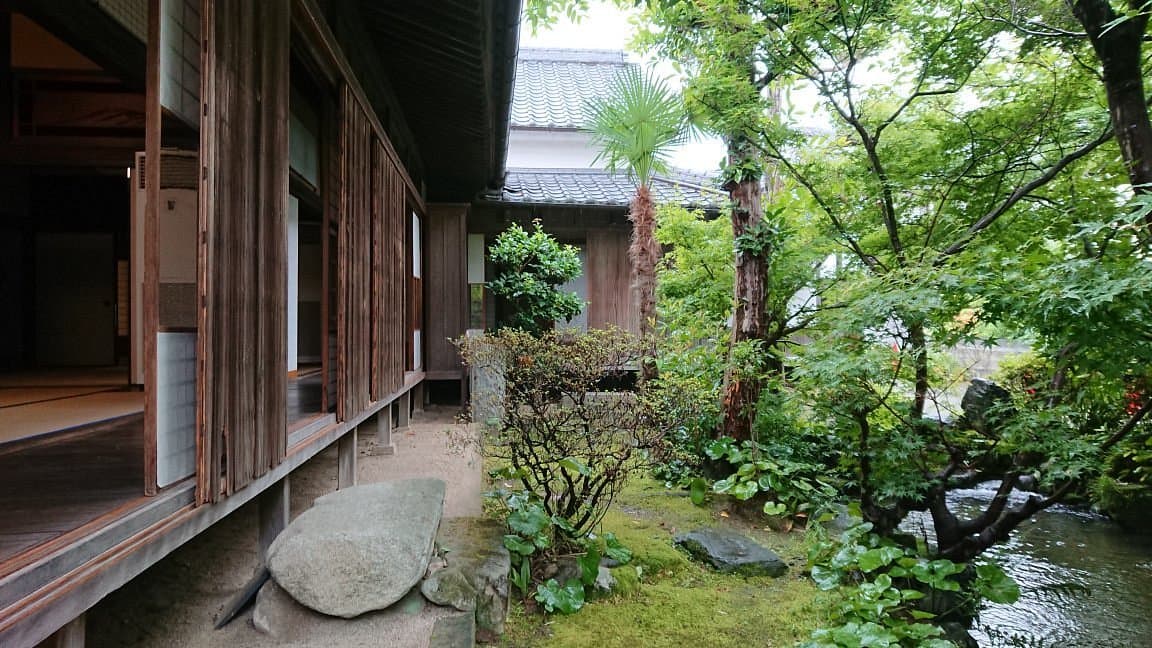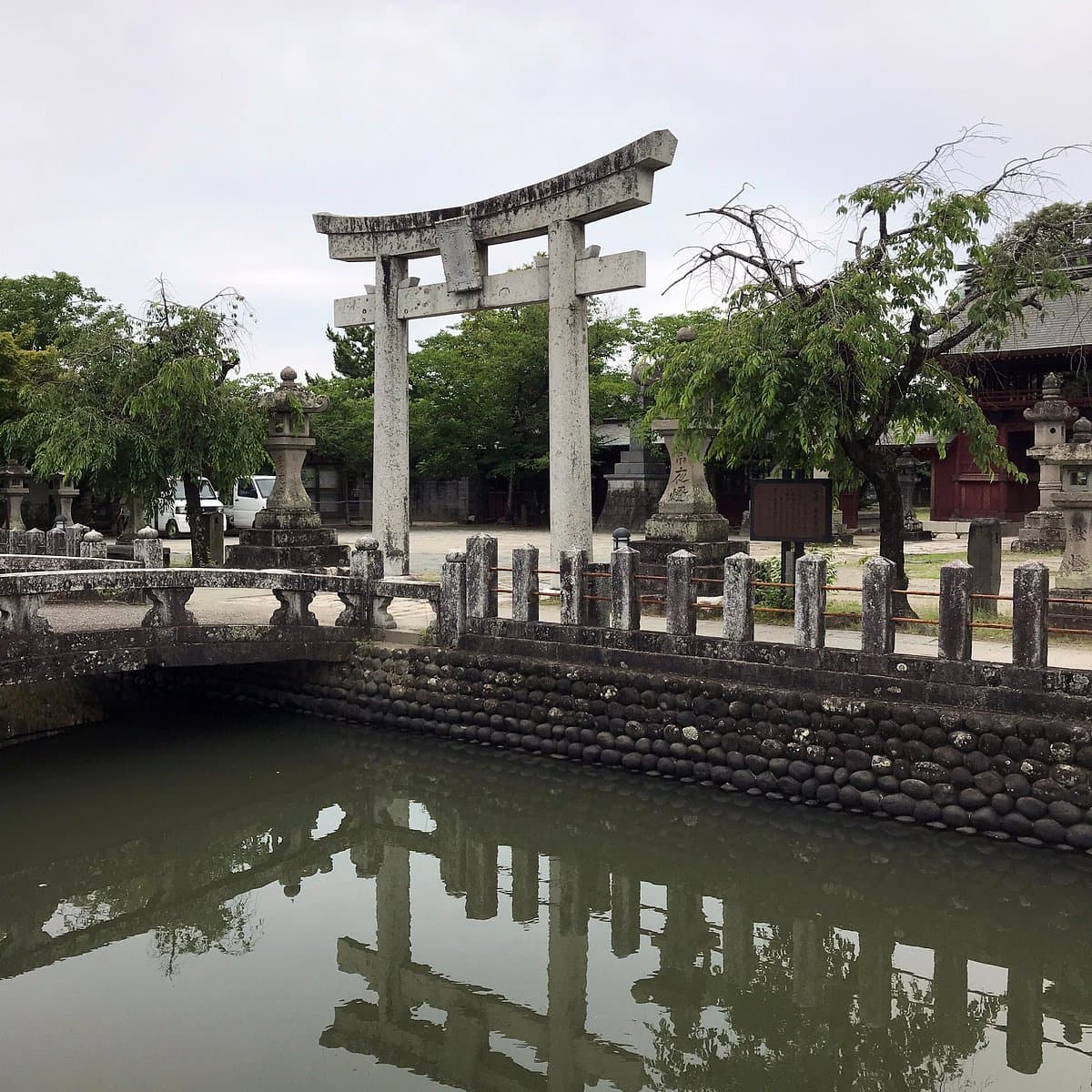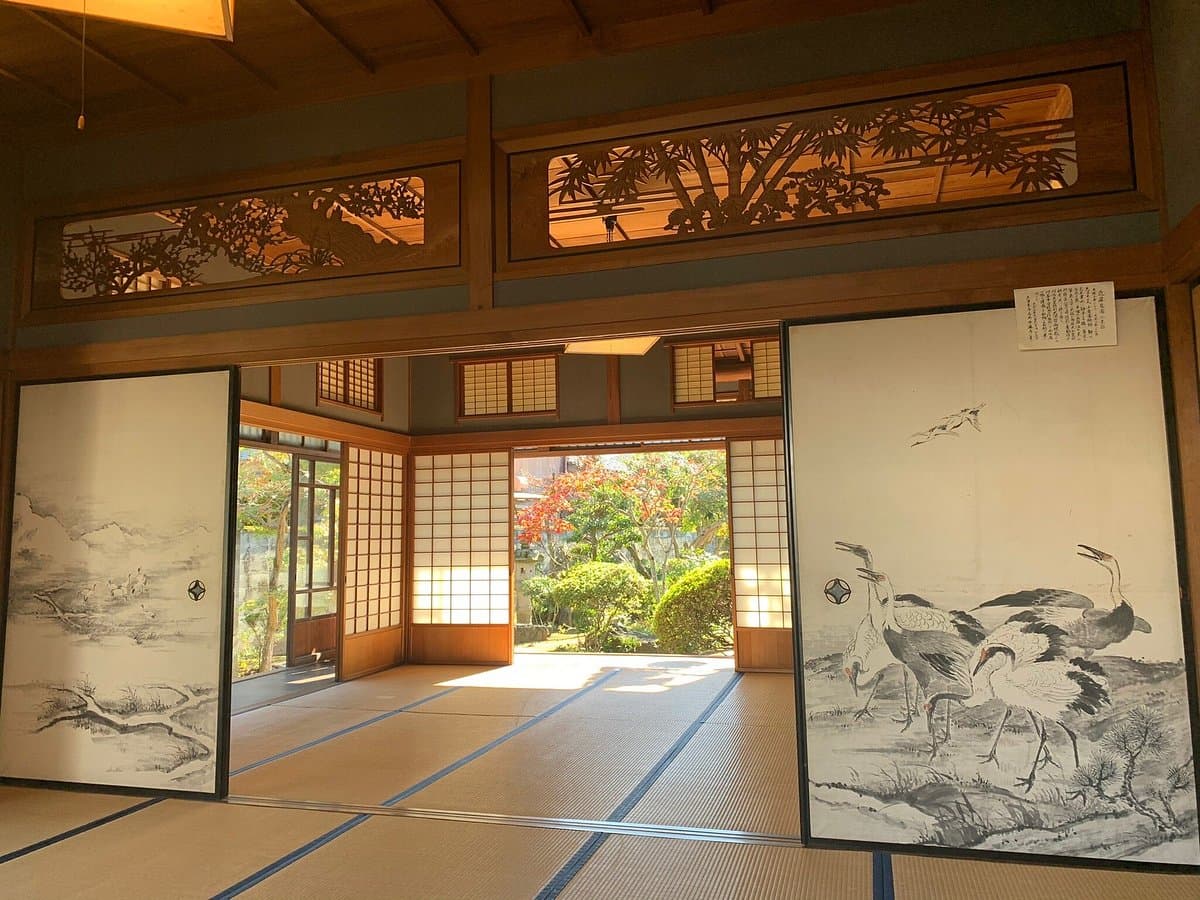
Igura no Yakata is an old residence that once belonged to a wealthy family, now open to the public. It serves as a window into the traditional Japanese living style, showcasing the architecture, layout, and domestic arrangements of a bygone era. For those with an interest in Japanese history and culture, particularly the daily lives of affluent families, this site provides a tangible connection to the past.
Visitors consistently praise the authentic atmosphere and the opportunity to see a traditional Japanese home up close. The fact that entry is free is frequently highlighted as a significant advantage, making it an accessible cultural experience. Reviewers suggest that those who appreciate historical architecture and traditional Japanese aesthetics will find this place particularly engaging.
To make the most of your visit, allocate about 30 minutes to an hour to explore the residence thoroughly. There are no specific items to bring, but comfortable shoes are always advisable for exploring historical sites. The best time to visit is during daylight hours when the natural light enhances the traditional interiors. Since it's a relatively small site, it's best combined with other attractions in the Ukiha area.
Igura no Yakata is located at 1103-1 Yoshiimachi, Ukiha, Fukuoka Prefecture. Given its rural location, reaching it by public transport might require some planning. While specific public transport routes are not detailed in reviews, visitors typically find it easier to access by car. There is likely parking available on-site or nearby, though this is not explicitly mentioned in the limited reviews. If relying on public transport, it's advisable to check local bus schedules from the nearest train station in Ukiha.
Common complaints are not widely reported due to the limited number of reviews. However, visitors should manage expectations regarding the size of the attraction; it is a single residence, not a sprawling complex. Those expecting extensive exhibits or modern interactive displays might find it less engaging. The primary appeal lies in its historical authenticity and the quiet contemplation it offers.