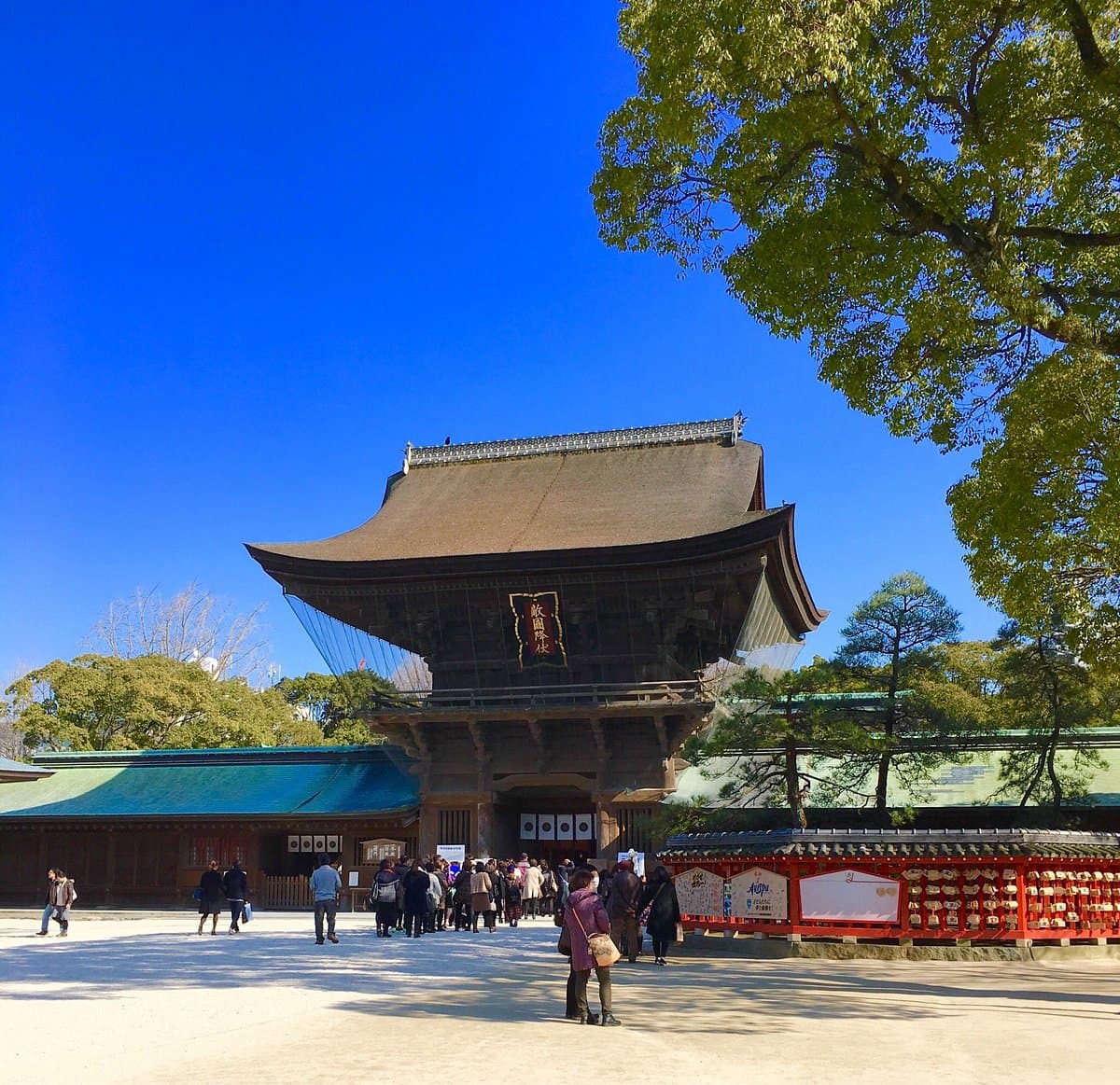
Hakozaki-gu is one of Japan's three most important Hachiman shrines, dedicated to the deified Emperor Ojin, Empress Jingu, and Emperor Chuai. Its historical significance dates back over a thousand years, playing a crucial role in protecting Japan from foreign invasions. The shrine complex features a vast main hall, an impressive tower gate with the famous inscription "Enemy Surrender," and extensive grounds that offer a glimpse into traditional Japanese religious architecture and serene natural beauty.
Visitors consistently praise the shrine's peaceful and uncrowded atmosphere, especially compared to more central attractions. Many appreciate the opportunity to witness traditional ceremonies or festivals, such as the Hojoya Festival in September or the Hydrangea Festival in June, which transform the usually tranquil grounds into vibrant cultural hubs. The beautiful gardens, particularly the hydrangea garden (which may have a small admission fee during blooming season), are frequently highlighted as a serene spot for a leisurely stroll. Reviewers often note the sense of calm and spiritual reflection the shrine offers, making it a pleasant escape from the city's hustle.
To make the most of your visit, consider spending 1-2 hours exploring the grounds. Early mornings are often recommended for the most tranquil experience. If visiting during the hydrangea season (June), be prepared for a 300 yen admission fee to the garden and bring insect repellent, as mosquitoes can be present. Many visitors suggest bringing cash if you plan to attend a festival, as most food stalls and vendors operate on a cash-only basis. While the shrine is generally quiet, festivals can draw large crowds, offering a different, more lively cultural experience.
Hakozaki-gu is easily accessible by public transport. The most convenient option is the Fukuoka City Subway Hakozaki Line to Hakozaki-Miyamae Station (K05), from which the shrine is just a 3-minute walk. Alternatively, you can take the JR Kagoshima Line to Hakozaki Station and walk for about 5 minutes. Some reviewers mention that Google Maps might direct you to a side entrance, which can be convenient if you are driving and looking for parking. The approach to the shrine from the subway station is well-marked and often features temporary ticket booths during major events.
A common complaint, particularly during peak festival times, is the large crowd and potential for noise, which can detract from the shrine's usual peaceful ambiance. To mitigate this, check the shrine's event calendar and consider visiting on a regular weekday if you prefer a quieter experience. Some visitors also note that outside of festivals, the shrine can feel very quiet, with fewer activities, which might be a drawback for those seeking more interactive experiences.