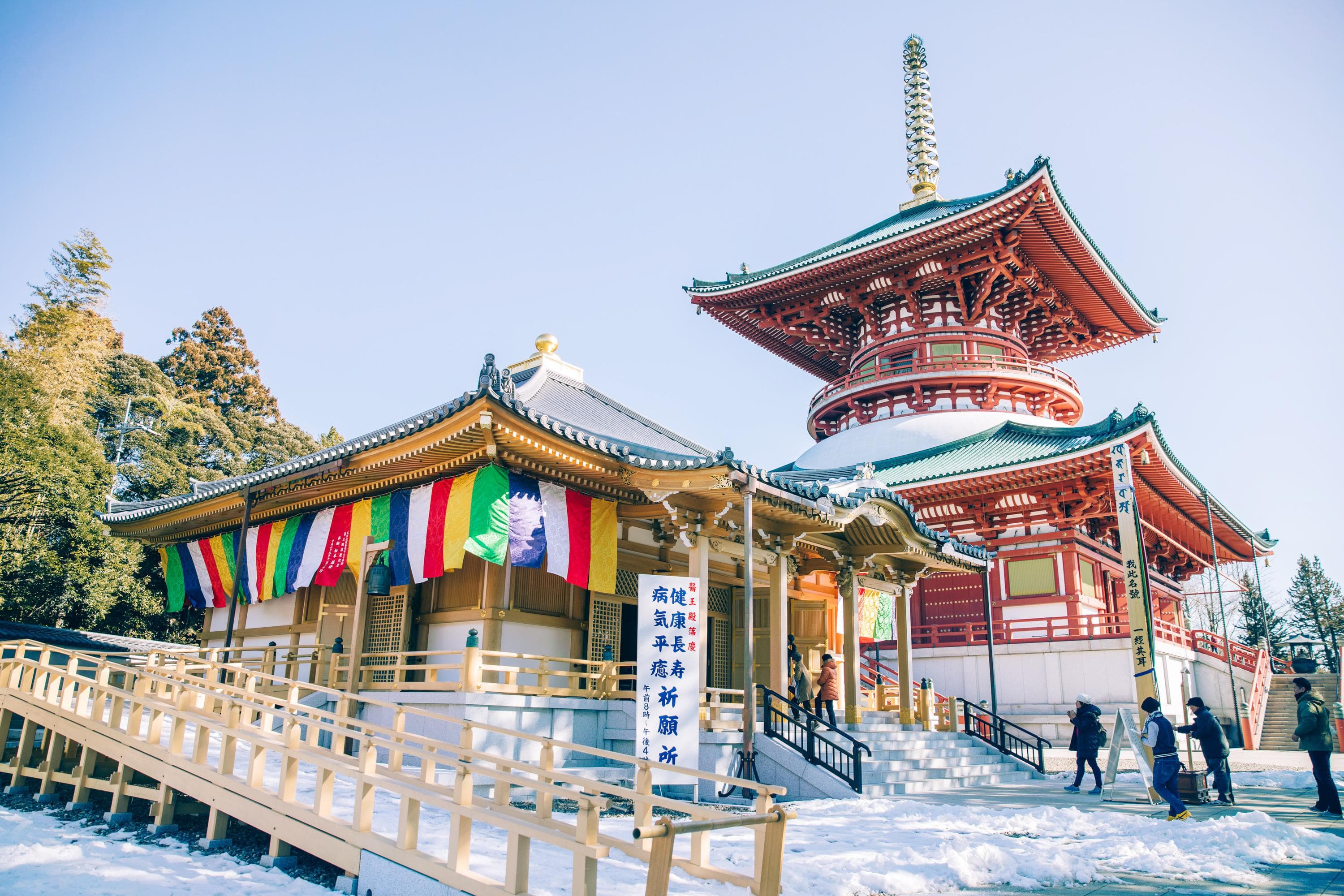
Naritasan Shinsho-ji is a significant Buddhist temple with over a thousand years of history, founded in 940. It is one of Japan's most revered temples, attracting millions of visitors annually, particularly for New Year's prayers. The complex is dedicated to Fudo Myoo and features a blend of ancient and modern buildings, including impressive gates, pagodas, and halls, set within expansive, beautifully maintained grounds.
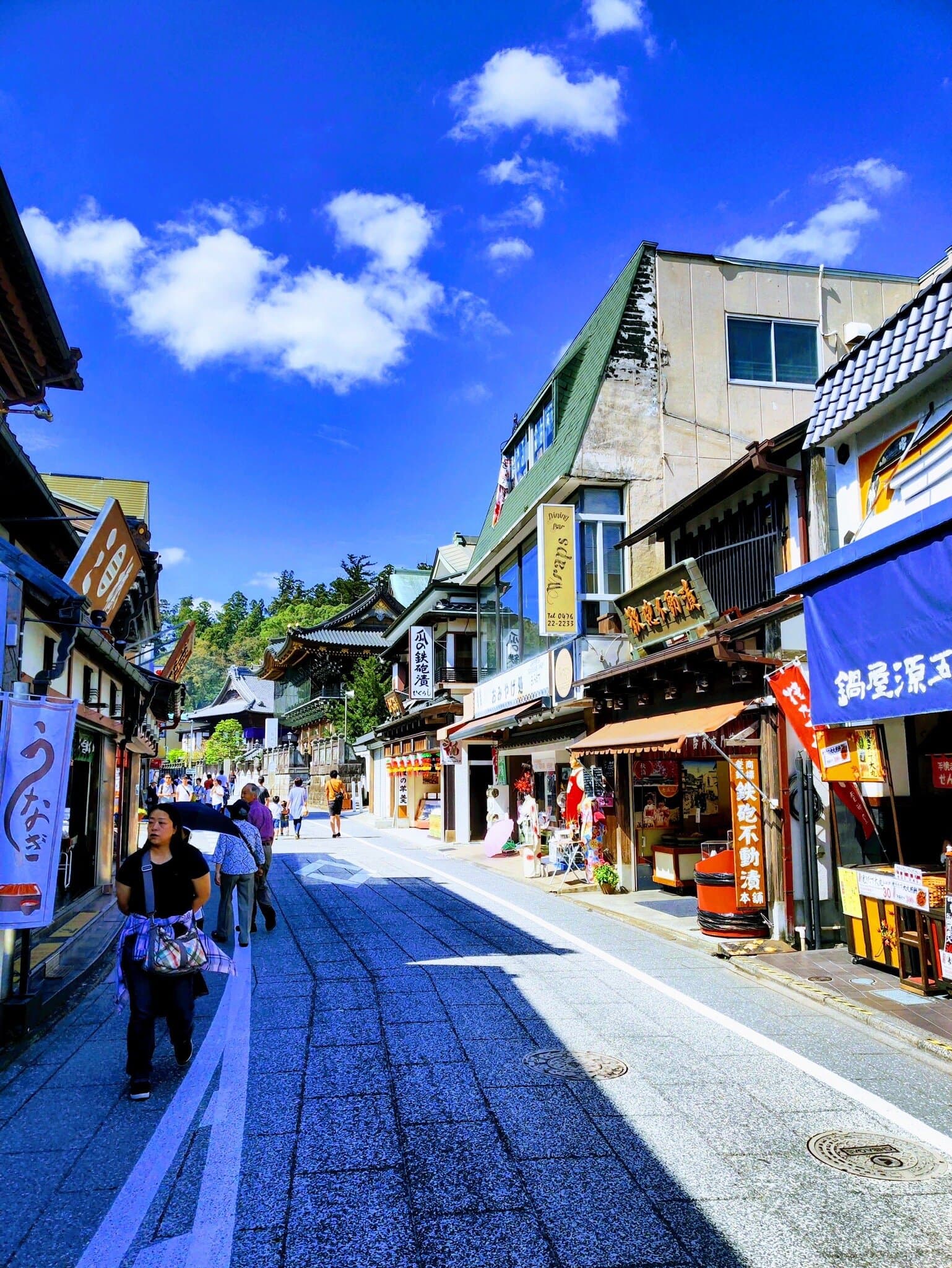
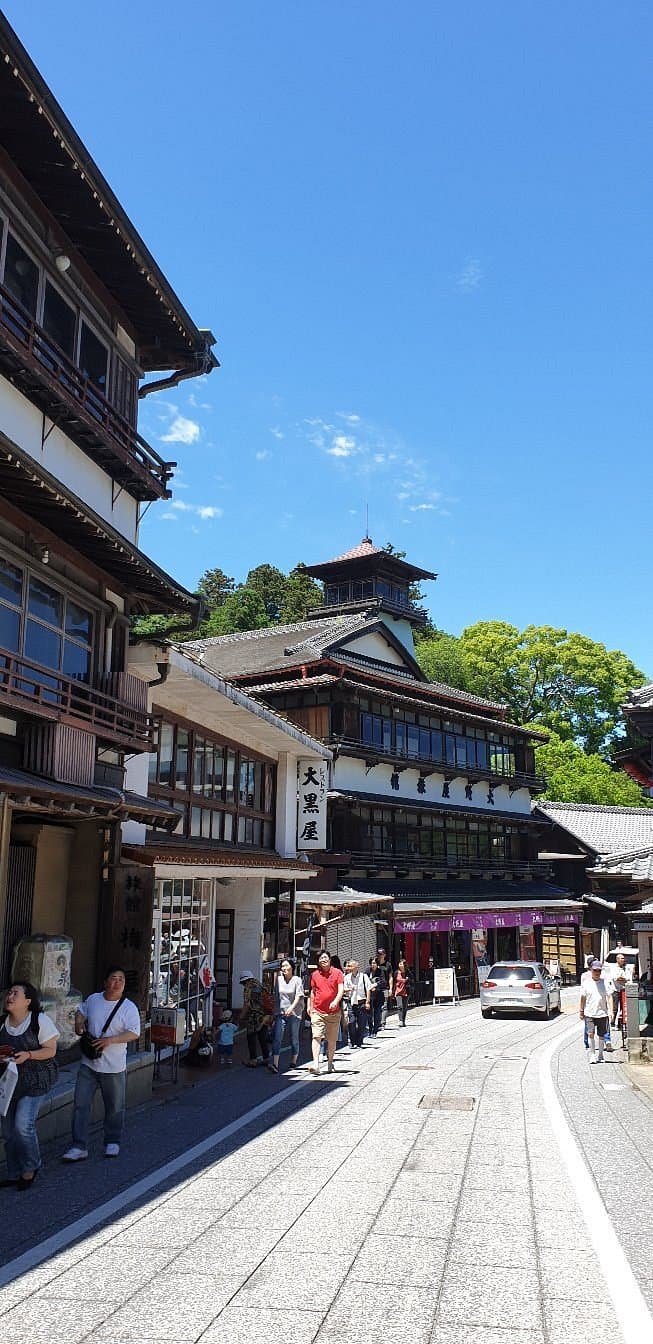
Visitors consistently praise the temple for its serene and spiritual atmosphere, despite its popularity. Many highlight the grandeur of the architecture, with its vibrant colors and intricate woodwork, and the peacefulness of the attached Naritasan Park, which features ponds, waterfalls, and diverse seasonal flora. The Goma fire rituals, performed by monks, are frequently mentioned as a powerful and moving experience. Reviewers also appreciate the free entry and the opportunity to explore the vast grounds at their own pace. The walk along Omotesando Street, leading up to the temple, is often cited as an enjoyable part of the visit, with its traditional shops and restaurants.
To make the most of your visit, consider arriving early in the morning, especially on weekends or holidays, to experience the temple before the crowds. Many visitors recommend attending a Goma fire ritual for a unique cultural insight; check the schedule in advance. Comfortable walking shoes are essential, as the complex is extensive and involves many steps, though elevators are available for accessibility to the main shrine. Bring water, especially during warmer months, and consider mosquito repellent if exploring the park in summer. While the temple buildings close around 4 PM, the grounds remain open later, offering a tranquil evening stroll.
Naritasan Shinsho-ji is easily accessible from Narita Airport. Take a JR or Keisei train one stop to Narita Station (approximately 10-15 minutes). From Narita Station, it's a pleasant 15-20 minute walk along Omotesando Street to the temple entrance. Many airport hotels also offer free shuttle services to Narita Station. For those with limited mobility, an elevator is available on the left side of the main stairway leading to the main shrine. Volunteer English-speaking guides are often available, and booking in advance via email is recommended for a more in-depth tour.
While generally a positive experience, some visitors note that the area can get very crowded, particularly during major festivals or New Year. To mitigate this, visit on a weekday or early in the morning. A few reviewers also mentioned some language barriers with staff, but generally, the atmosphere is welcoming, and basic communication is usually sufficient. The walk back to the station is uphill, which can be tiring, especially in hot weather.