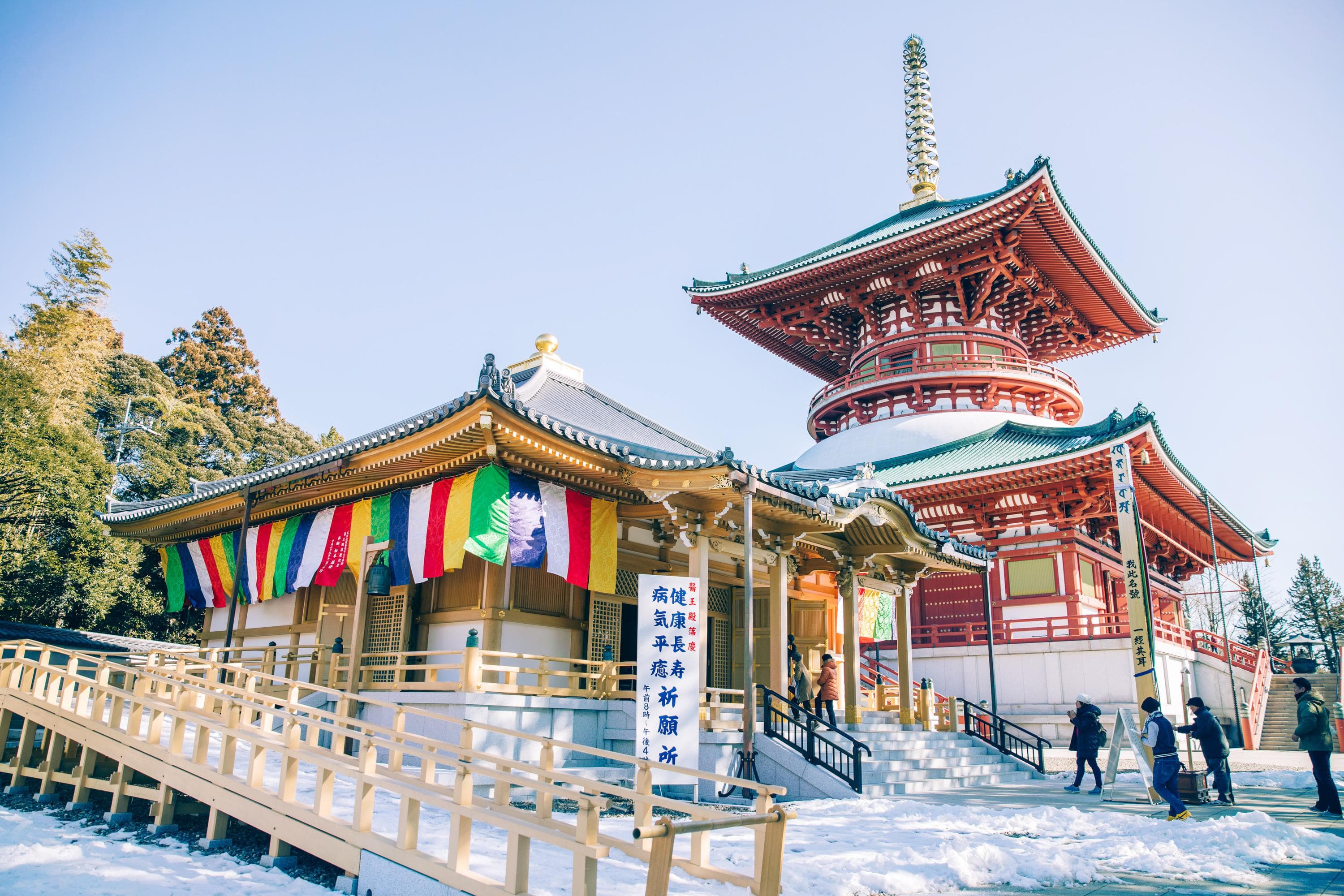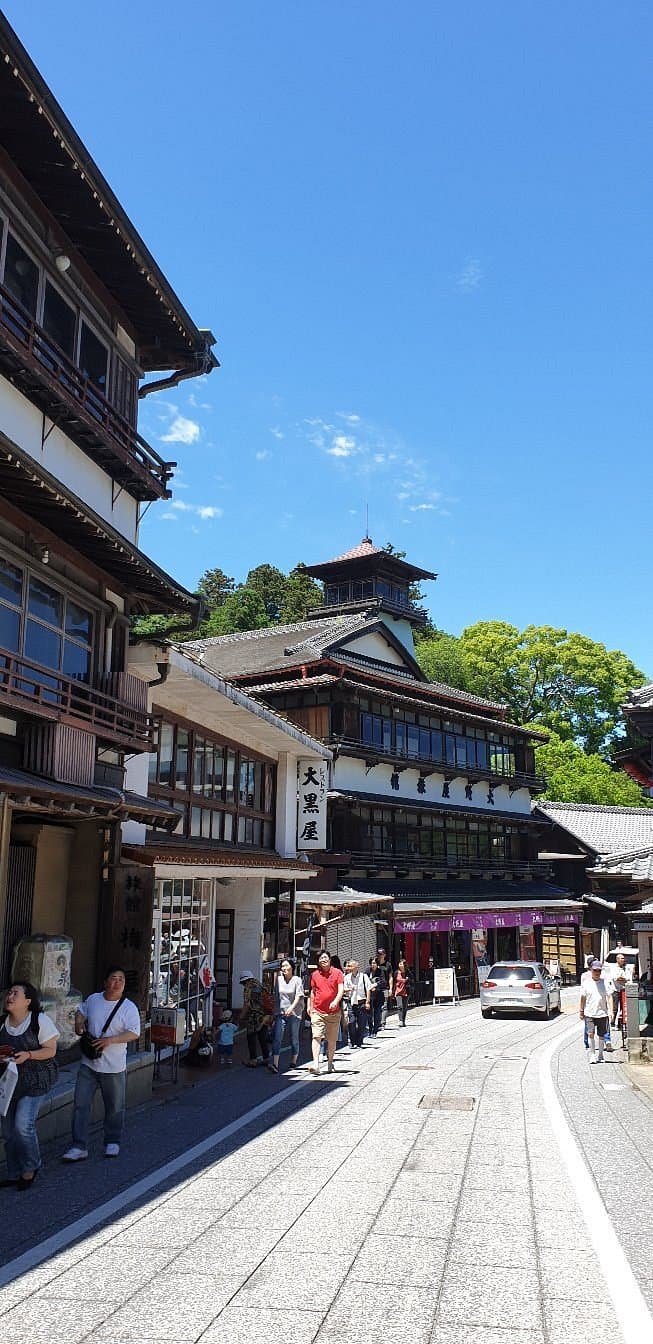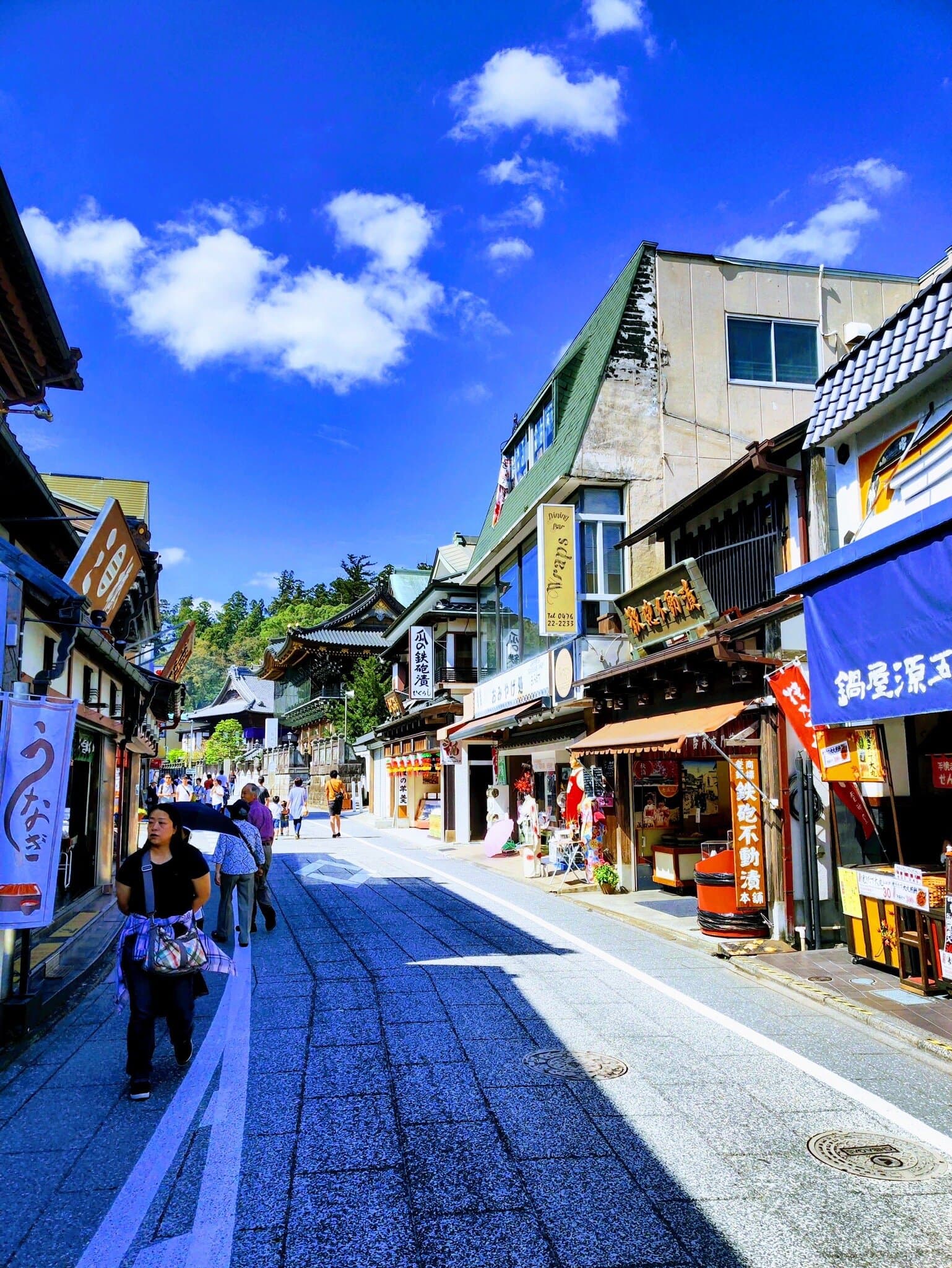
Naritasan Omotesando is the historic approach road to the Naritasan Shinshoji Temple, stretching for about 800 meters from JR Narita Station and Keisei Narita Station. This street is a living museum, preserving the charm of the Edo period with its traditional architecture and a vibrant array of shops and restaurants. It serves as a cultural gateway, offering visitors a glimpse into old Japan before they reach the temple complex.
Visitors consistently praise the street's lively atmosphere and its unique blend of history and commerce. Many highlight the abundance of traditional Japanese products, souvenirs, and cosmetics available. A recurring theme in reviews is the culinary experience, with numerous mentions of delicious eel rice (unagi) and various Japanese snacks and desserts. Reviewers often describe the street as having an "antique flavor" or a "sense of traveling through time," appreciating the well-preserved Edo-period buildings. The street is particularly noted for its beauty both during the day, bustling with people, and at night when shops and buildings are lit up, creating a picturesque scene.
For a fulfilling visit, allocate 1-2 hours to leisurely explore the Omotesando. Many suggest arriving in the morning to see the shops gradually come to life. Don't miss the opportunity to try the local eel rice, a highly recommended delicacy by numerous visitors. Soft serve ice cream and traditional dango are also popular choices for snacks. While the street is generally comfortable for walking, wearing comfortable shoes is advisable, especially if you plan to continue to the temple and its park, which involves some uphill sections and stairs. The area is particularly appealing for those with a layover at Narita Airport, offering a convenient and enriching cultural experience.
Getting to Naritasan Omotesando is straightforward. It is located near JR Narita Station and Keisei Narita Station, both easily accessible by train. From Narita Airport, it's a short 10-minute train ride. Many hotels near Narita Airport also offer free shuttle services to Narita Station, making it very convenient. The Omotesando itself starts directly from these stations, making it an easy walk. For those driving, parking information is not frequently mentioned in reviews, suggesting public transport is the preferred method.
While generally positive, some visitors note that the street can get crowded, especially during festivals or peak tourist seasons. To mitigate this, consider visiting during off-peak hours or weekdays if possible. Although the street offers a wide array of shops, some might find it to be a typical tourist shopping street. However, the unique Edo-period architecture and the quality of local food generally outweigh this perception for most visitors.