The Sannai-Maruyama Site is Japan's largest and most well-preserved Jomon-period settlement, dating back approximately 5,500 to 4,000 years. This special historical site offers a rare opportunity to understand the daily life, culture, and advanced societal structures of prehistoric Japan. It's a UNESCO World Heritage site, showcasing the sophistication of the Jomon people through excavated artifacts and impressive reconstructions.
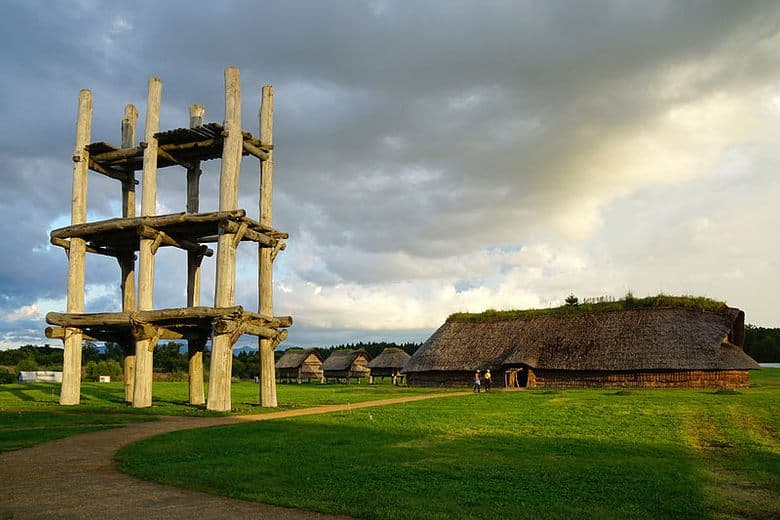
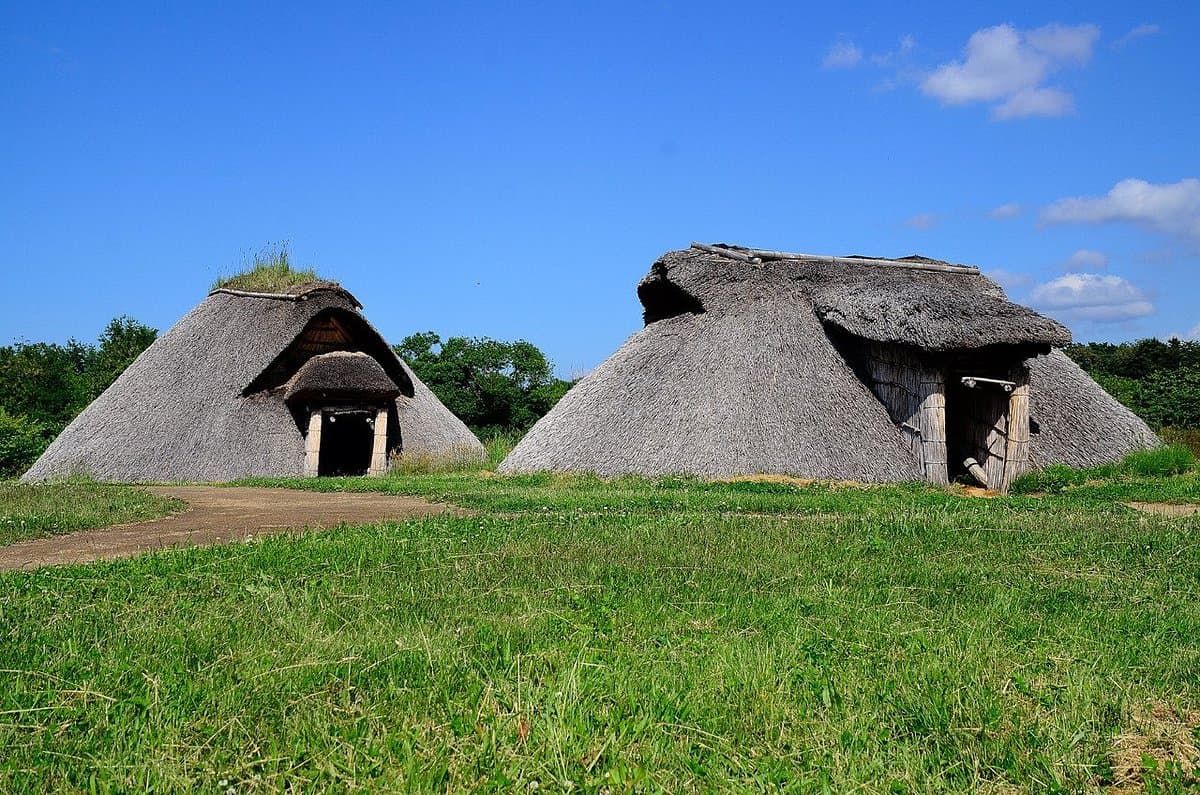
Visitors frequently highlight the engaging experience of exploring the reconstructed pit dwellings, raised-floor buildings, and the iconic large pillar structures. Many reviewers emphasize the value of the free volunteer guides, often available in English, who bring the site's history to life with detailed explanations and theories. The modern museum is also consistently praised for its well-curated exhibits, outstanding interpretation in multiple languages, and the chance to see active archaeological digs. The site is particularly enjoyable for families, with children often fascinated by entering the ancient huts.
To make the most of your visit, plan for at least 2-3 hours, especially if you intend to take a guided tour and explore the museum thoroughly. Reviewers suggest visiting during cooler seasons, as the extensive outdoor area can be challenging in summer heat or deep winter snow, though some found winter visits enjoyable with proper attire. It's advisable to check for English guide availability upon arrival or inquire in advance. Don't skip the Jomon Theater for an introductory video. While the museum is free, there might be a small fee for certain exhibition areas or the Jomon Yukan. Free parking is available for those driving.
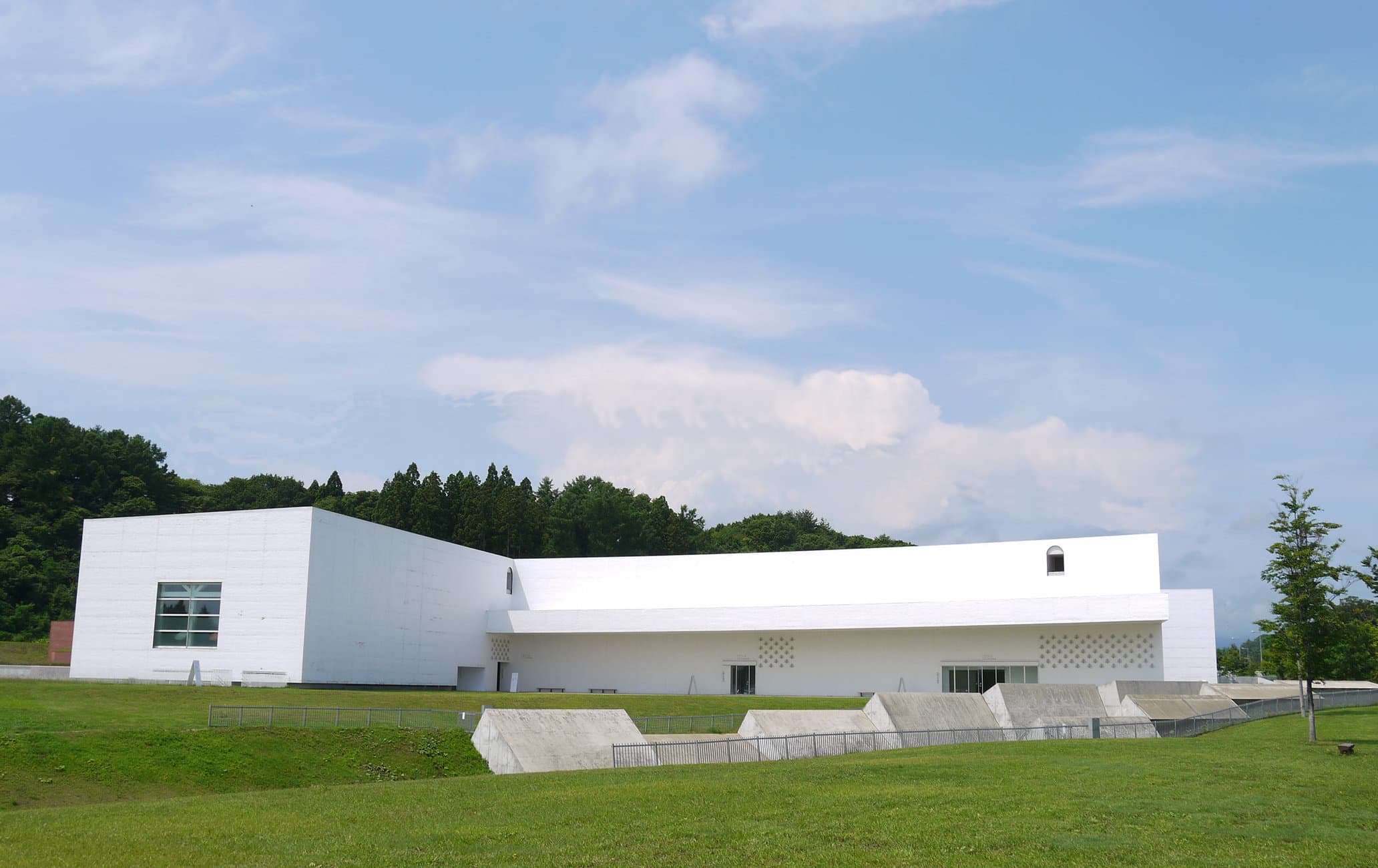
The site is conveniently accessible by public transport. From Aomori Station, take a local bus towards Unten Menkyo Centre (Driver's License Center) and alight directly at the Sannai-Maruyama Museum stop; the ride takes about 20-30 minutes and costs around JPY 310. Alternatively, a shuttle bus runs from Shin-Aomori Station (Platform 3) approximately once an hour, taking about 10-15 minutes. A taxi from Shin-Aomori Station costs around JPY 1,800. The site is also a 15-minute walk from the Aomori Museum of Art, making it easy to combine both attractions.
A common complaint, particularly from those who visit without a guide, is a lack of context or depth in some of the outdoor signage, making it harder to appreciate the significance of the ruins. To mitigate this, strongly consider joining a free guided tour or utilizing the available English pamphlets and tablet displays. Some visitors also note that in heavy snow, many outdoor features become obscured, reducing the overall experience. If visiting in winter, be prepared for cold weather and potentially limited visibility of certain areas.