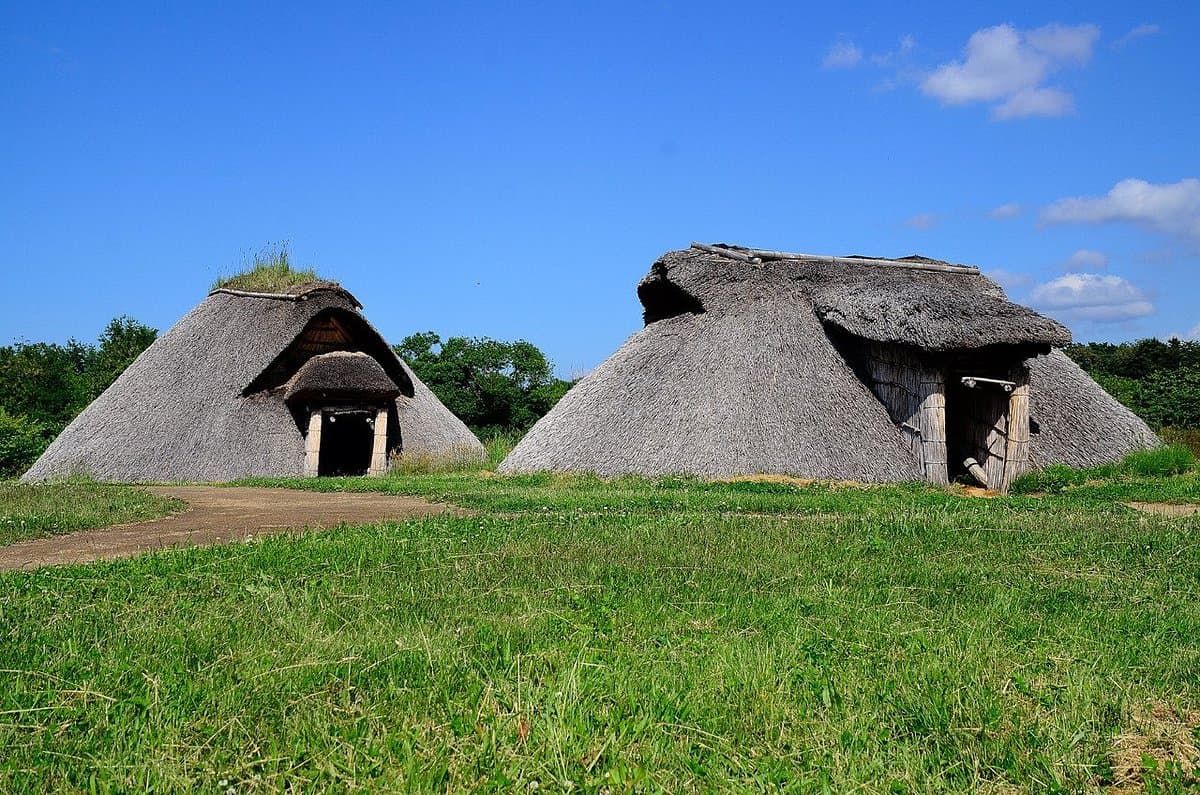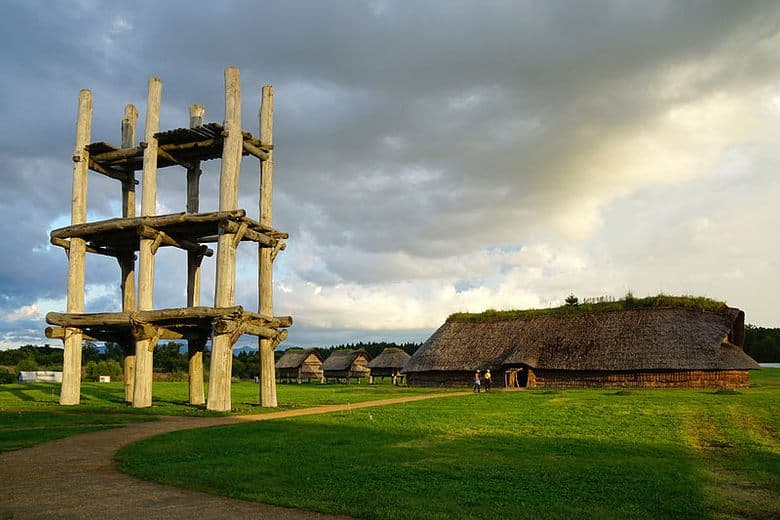
The Sannai Maruyama Ruins are one of Japan's most significant archaeological sites, representing a large-scale settlement from the Middle Jomon period (approximately 3900-2200 BCE). Discovered in 1992, this site provides invaluable insights into the daily life, culture, and advanced societal organization of the Jomon people. What makes it particularly compelling is the extensive reconstruction of ancient dwellings, including impressive longhouses and watchtowers, built atop the original foundations, offering a vivid, immersive experience of an ancient village.
Visitors consistently praise the detailed reconstructions, noting how they bring history to life. Many appreciate the opportunity to enter some of the structures, which helps in visualizing the scale and design of Jomon architecture. The indoor exhibition hall is frequently highlighted for its well-displayed artifacts, providing context and deeper understanding of the excavations. Reviewers often mention the knowledgeable guides, who enhance the experience with historical explanations and anecdotes, making the visit educational and engaging for all ages.
To make the most of your visit, allocate at least 2-3 hours to explore both the outdoor village and the indoor museum. Comfortable walking shoes are recommended, as you'll be covering a significant area outdoors. The site is largely accessible, but some paths might be uneven. Consider visiting during spring or autumn for pleasant weather, as summers can be hot and humid, and winters bring snow. Bringing a water bottle is advisable, especially during warmer months. While there are no specific complaints about crowds, arriving earlier in the day might offer a more tranquil experience.
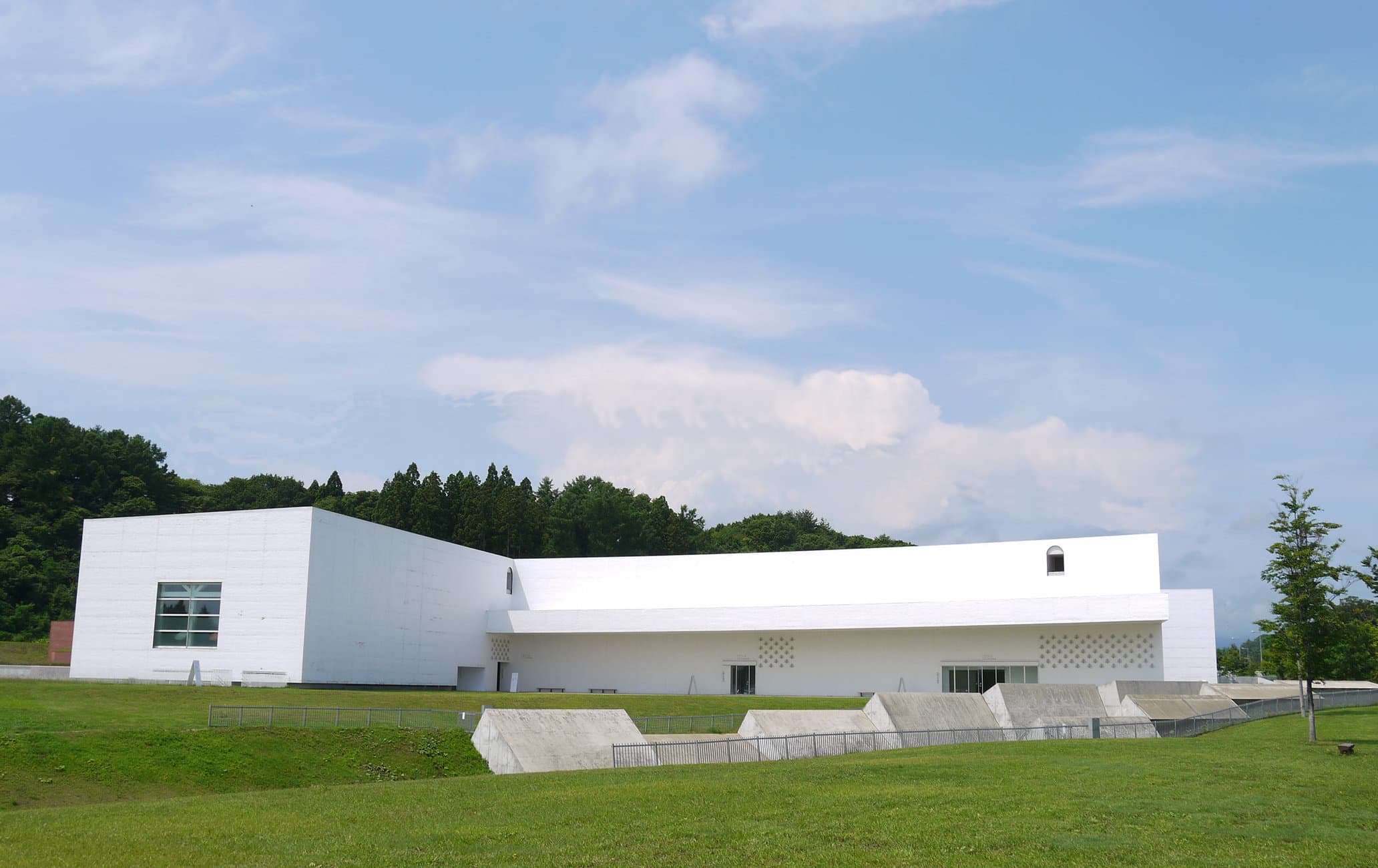
The Sannai Maruyama Ruins are easily accessible from Aomori City. Public transportation is a convenient option; take a local bus from Aomori Station to the Sannai Maruyama Ruins bus stop, which is directly at the entrance. For those driving, ample free parking is available on site. The ruins are also relatively close to other attractions like the Aomori Museum of Art, making it possible to combine visits. Detailed maps and signage are provided throughout the site to help with navigation.
Some visitors note that while the reconstructions are impressive, they might feel too 'new' for those expecting untouched ancient ruins. However, this approach allows for a much clearer understanding of the Jomon settlement's layout and structures. To mitigate this, focus on the interpretive panels and the museum's artifacts, which are the original discoveries, and consider joining a guided tour to gain deeper historical context that bridges the gap between the ancient foundations and modern reconstructions.