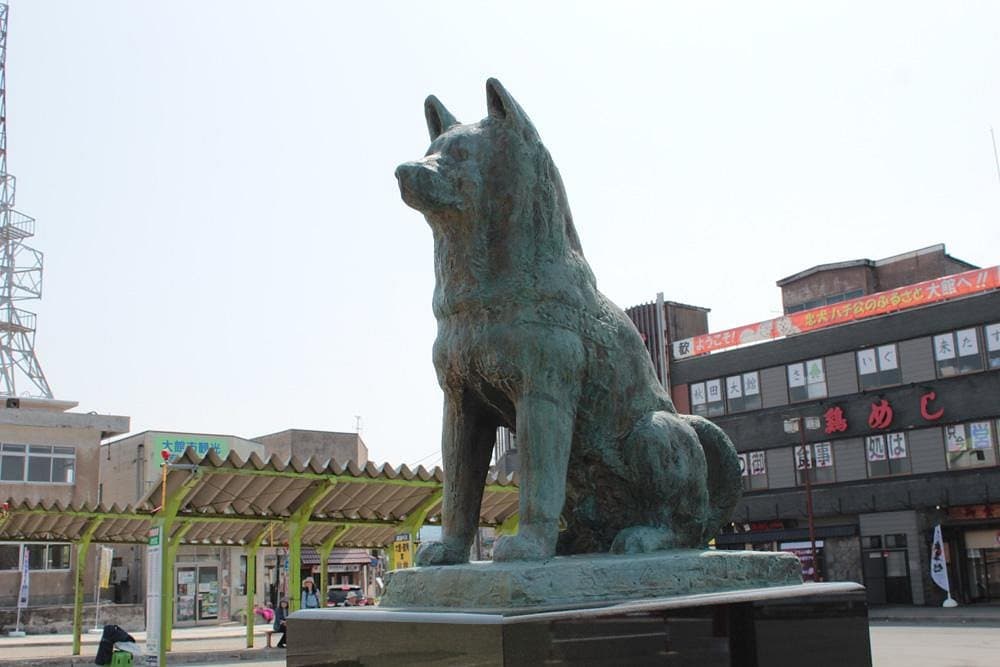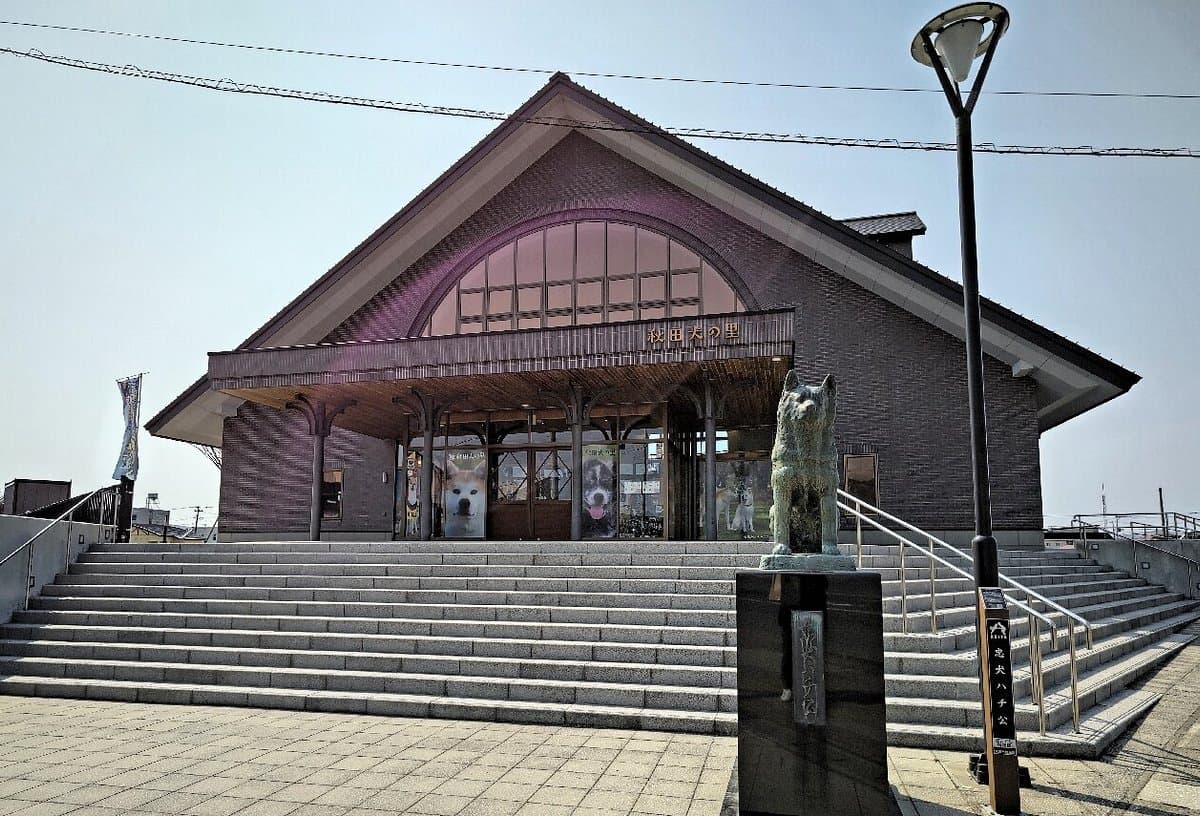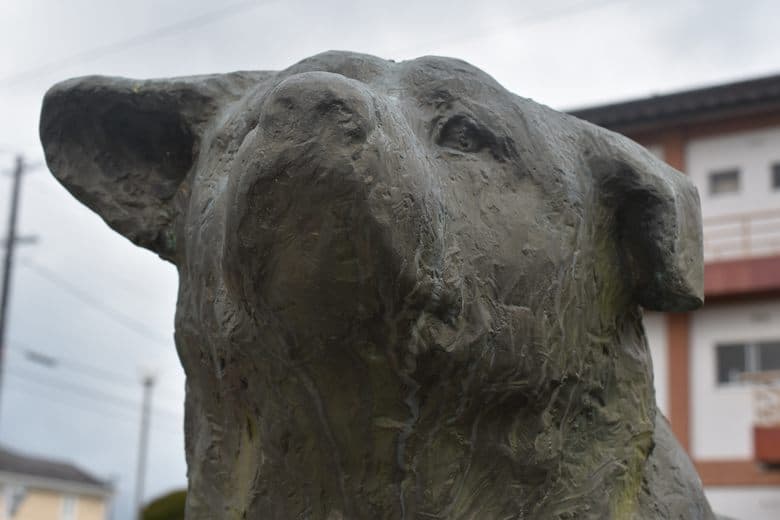
The 'Homesick Hachiko' statue in Odate, Akita Prefecture, holds significant cultural importance as it marks the birthplace of Hachiko, Japan's most celebrated loyal dog. Unlike the bustling Shibuya statue, this monument offers a more reflective experience, connecting visitors directly to Hachiko's origins and the Akita breed's heritage. It stands as a testament to the enduring legend of Hachiko's unwavering devotion, providing a deeper context to his story beyond the Tokyo narrative.
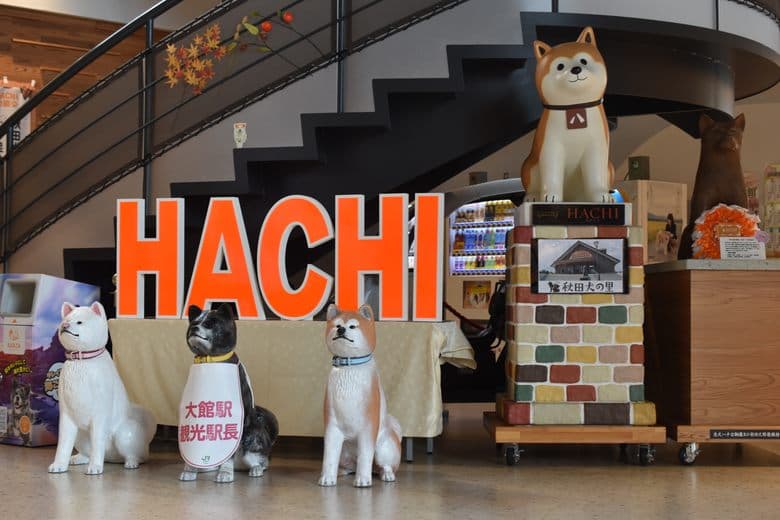
Visitors consistently praise the statue for its emotional resonance and the quiet dignity it conveys. Many find it a moving experience, especially those who are already familiar with Hachiko's story or have a particular affection for dogs. Reviewers often highlight the peaceful atmosphere surrounding the statue, contrasting it with the crowds at the Shibuya location. The depiction of Hachiko looking upwards is frequently mentioned as particularly touching, evoking his perpetual wait. Some visitors appreciate the opportunity to learn more about the Akita breed at the adjacent museum, enhancing their understanding of Hachiko's background.
To fully appreciate the statue, visitors should allocate about 15-30 minutes, allowing time for contemplation and perhaps a visit to the Akita Dog Museum. The best time to visit is during daylight hours, as the statue is always accessible. While there are no specific items to bring, a camera is recommended for capturing the moment. There are no reported complaints about the statue itself, but some visitors note that Odate is a smaller city, and transportation might require planning.
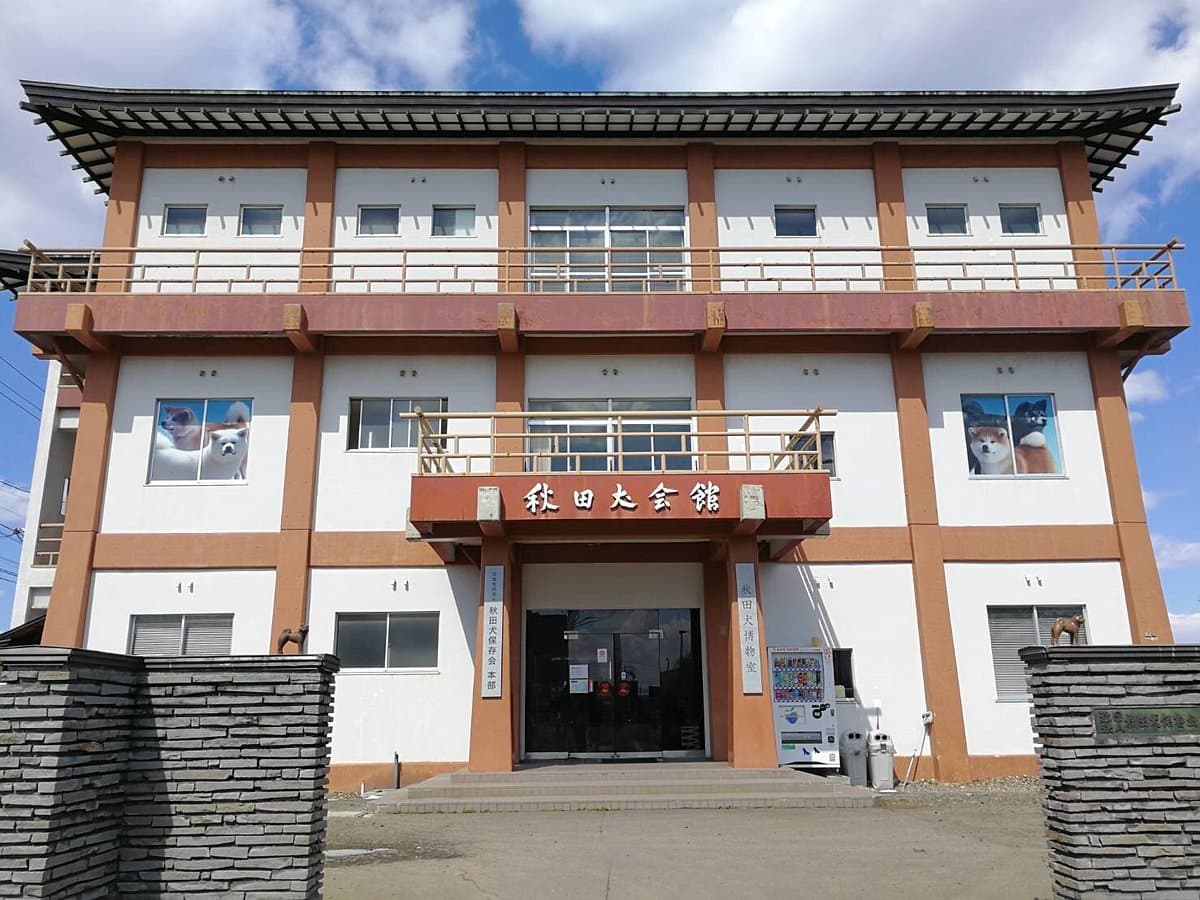
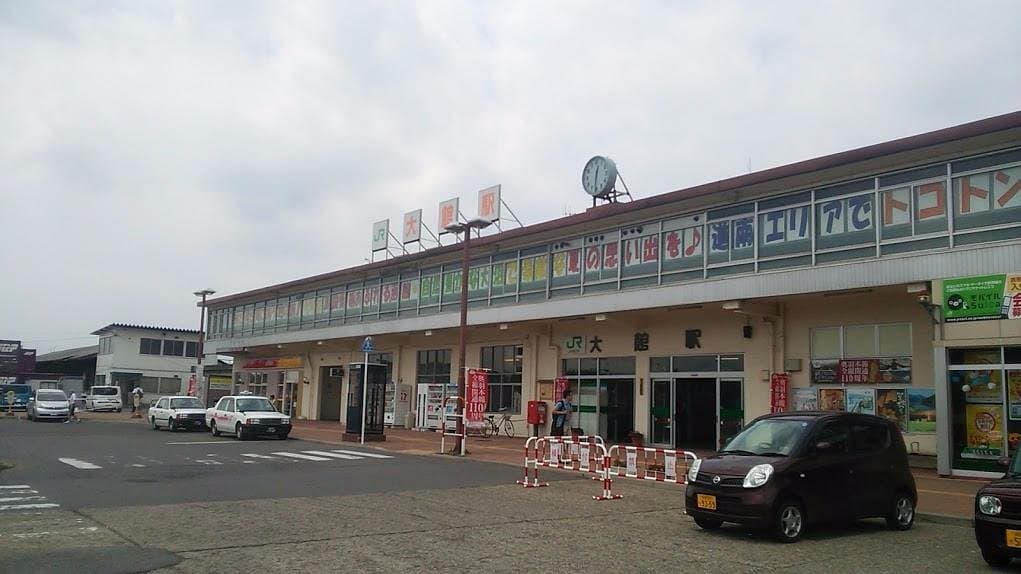
The 'Homesick Hachiko' statue is located in front of the Akita Dog Museum, which is adjacent to Keijō Park in Odate. While specific public transport details from reviews are limited, Odate is accessible by train. Visitors would typically take a train to Odate Station and then use local transportation or a taxi to reach the museum. The statue is easily visible once at the museum entrance.
Common complaints are rare for the statue itself, but visitors should be aware that Odate is not a major tourist hub, so amenities and English signage might be less prevalent than in larger cities. Planning transportation and having some basic Japanese phrases or a translation app can mitigate any potential communication challenges.