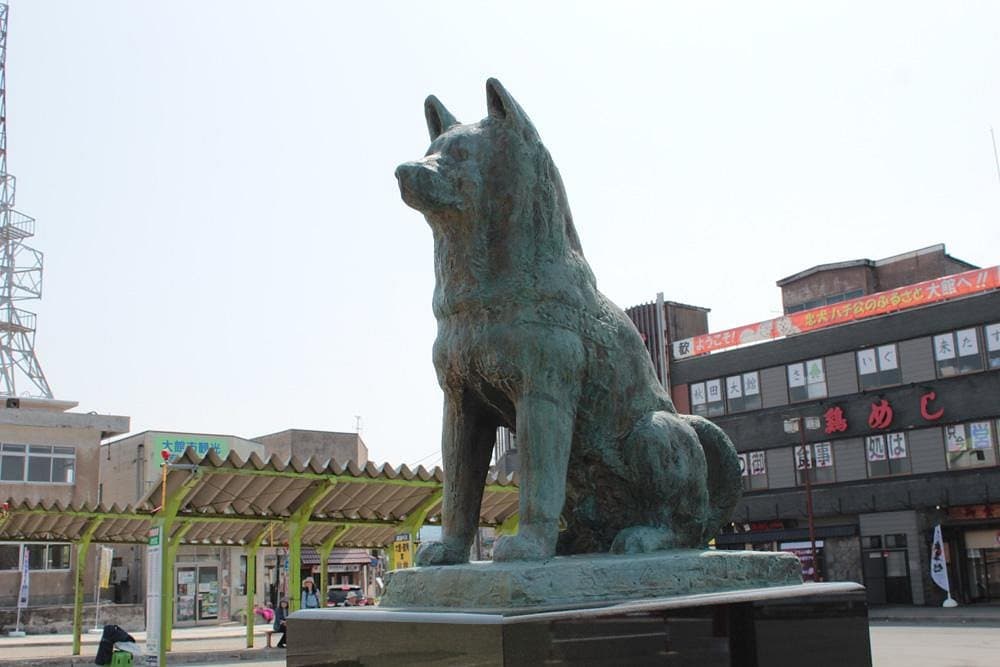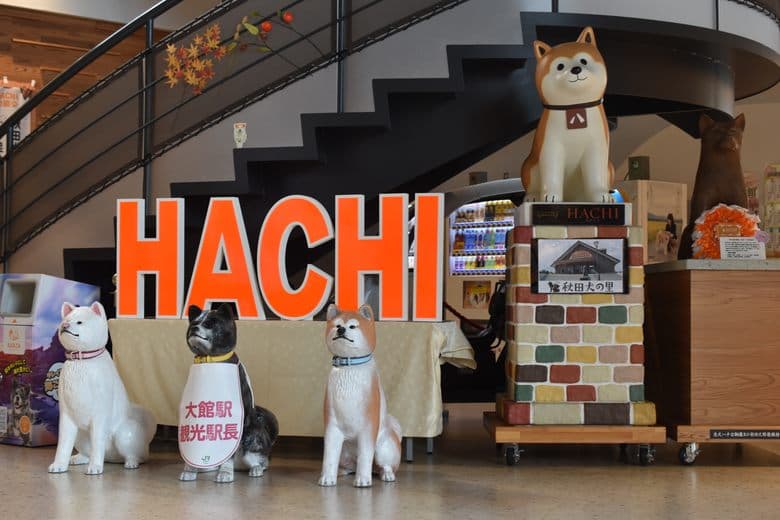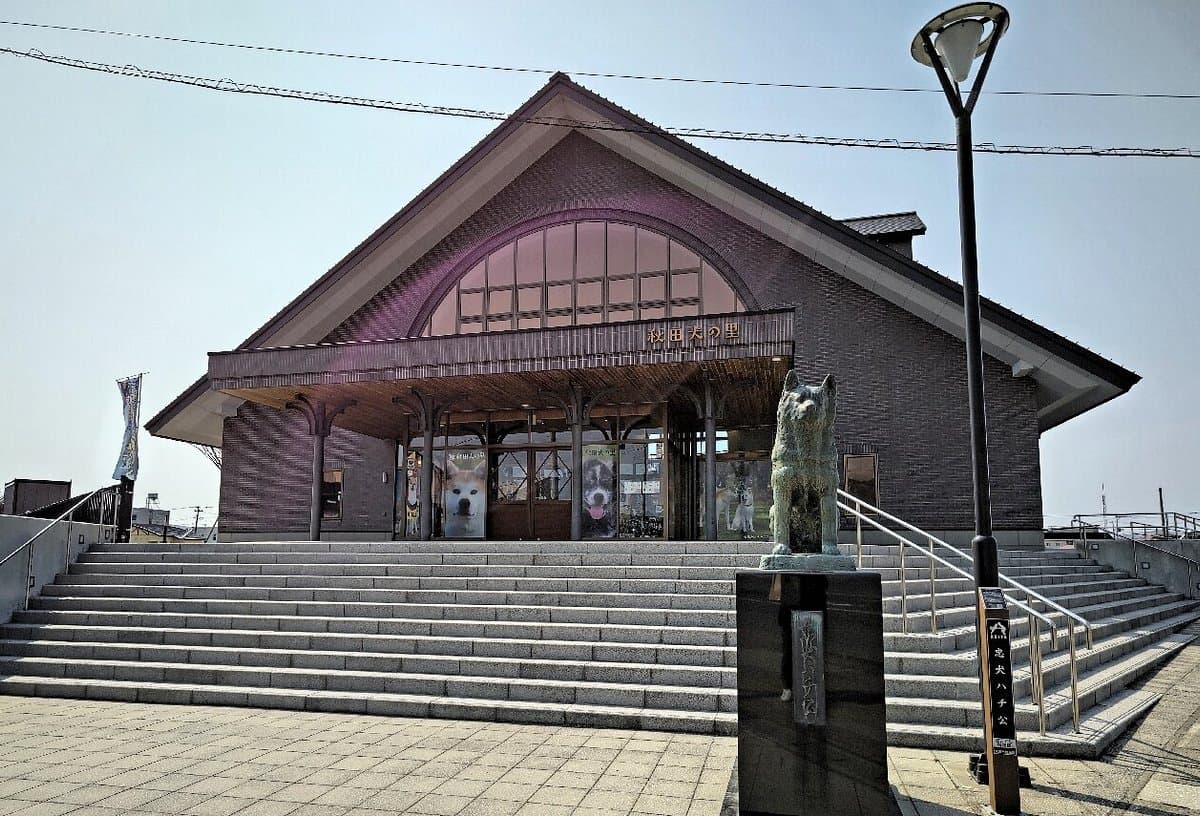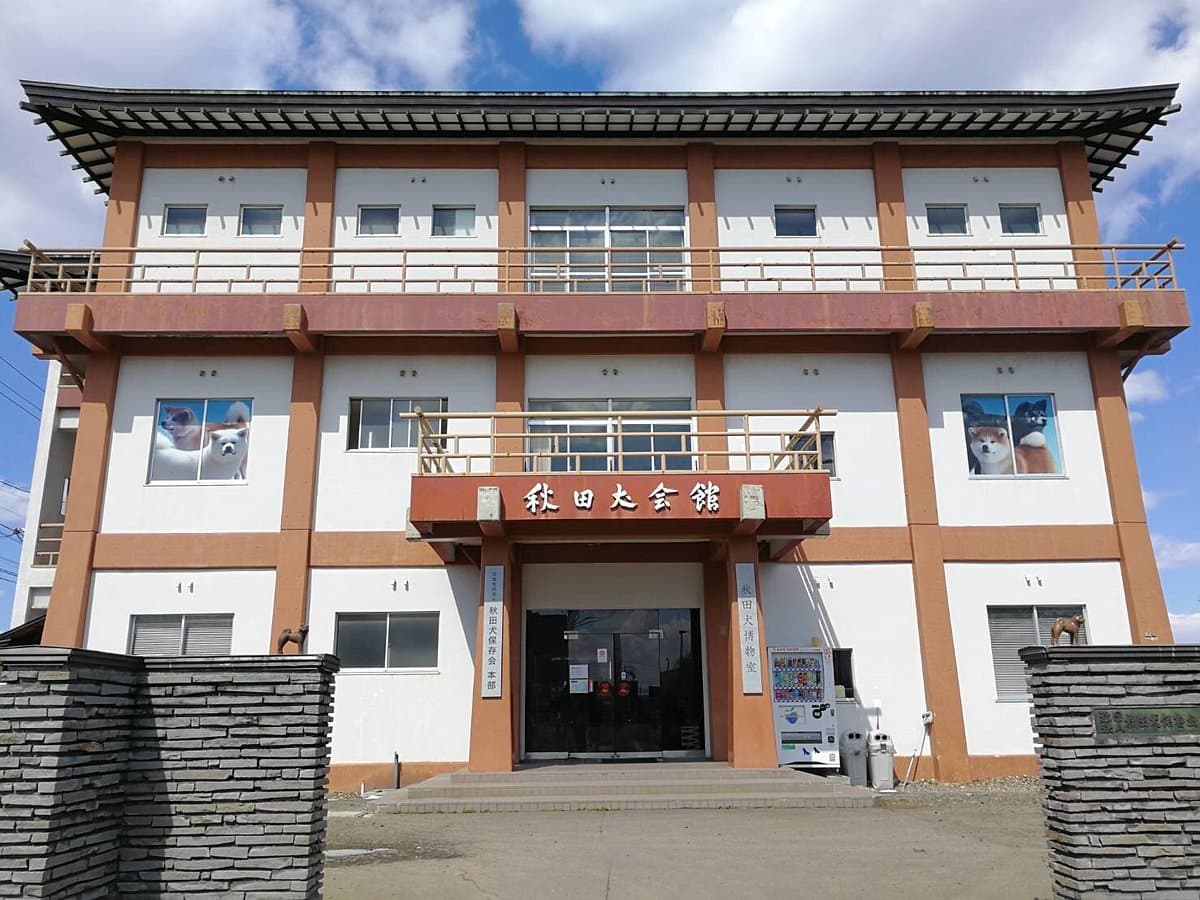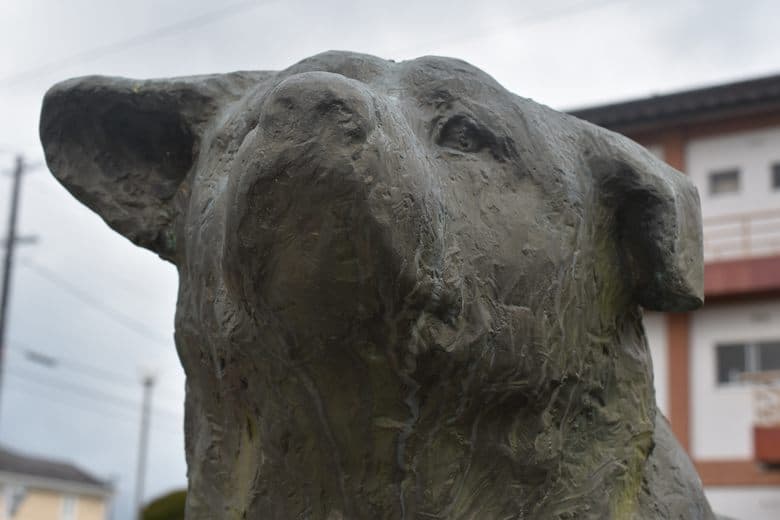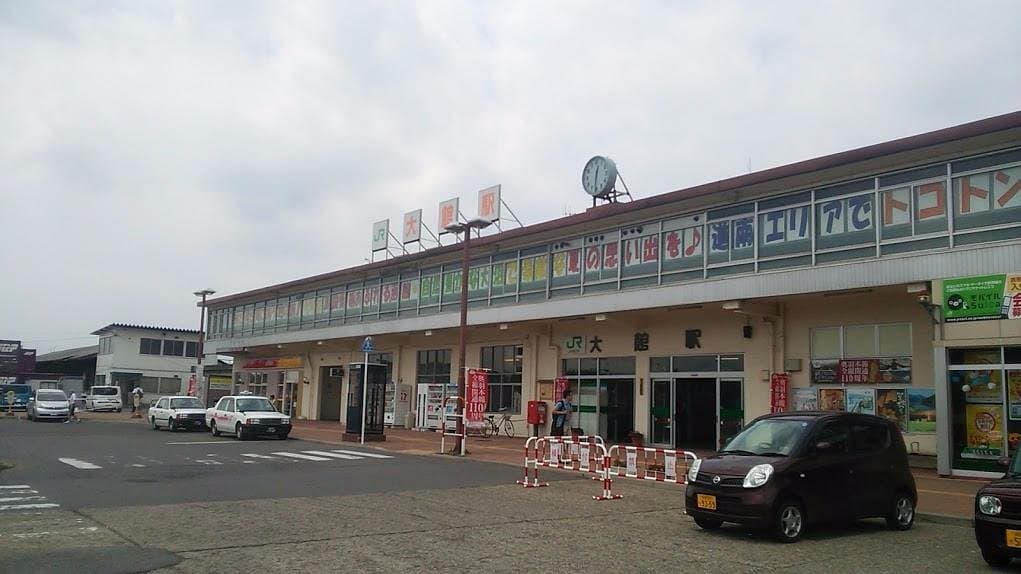
The Odate Tourist Information Center is a functional facility situated within the Akita Inu no Sato complex, adjacent to Odate Station. Its primary purpose is to provide visitors with local information, maps, and assistance, making it a useful first stop for those arriving in Odate and looking to explore the area, particularly if they are interested in the Akita dog museum or local attractions.
Visitor feedback indicates that the center's location is convenient, especially for those arriving by train. One reviewer noted its proximity to the newly renovated Odate Station, suggesting that the center itself might have moved or been updated as part of the station's redevelopment. This implies that visitors can expect a modern facility. The presence of a convenience store nearby is also a practical advantage for travelers needing to purchase snacks, drinks, or other essentials.
For a practical visit, allocate a short amount of time, perhaps 15-30 minutes, to gather information or ask questions. There's no specific 'best time' to visit, as its utility is tied to your arrival or immediate needs. It's advisable to check current operating hours upon arrival, especially if your visit coincides with public holidays or early/late hours. Bringing a list of specific questions or attractions you're interested in can help you make the most of your stop.
The center is easily accessible as it is located within the Akita Inu no Sato complex, which is directly connected to or very near Odate Station. Travelers arriving by train can simply walk to the center upon exiting the station. For those driving, parking options would likely be available at or near the station complex, though specific details are not consistently mentioned in reviews. Public transport is the most straightforward way to reach this location.
A common observation, though not a complaint, is that the center is primarily a functional stop rather than a destination in itself. Visitors should manage their expectations accordingly; it's a place for information and practical needs, not an attraction to spend significant time exploring. There are no specific complaints about service or facilities, but visitors should be aware that the primary language of assistance might be Japanese, though English-speaking staff may be available.