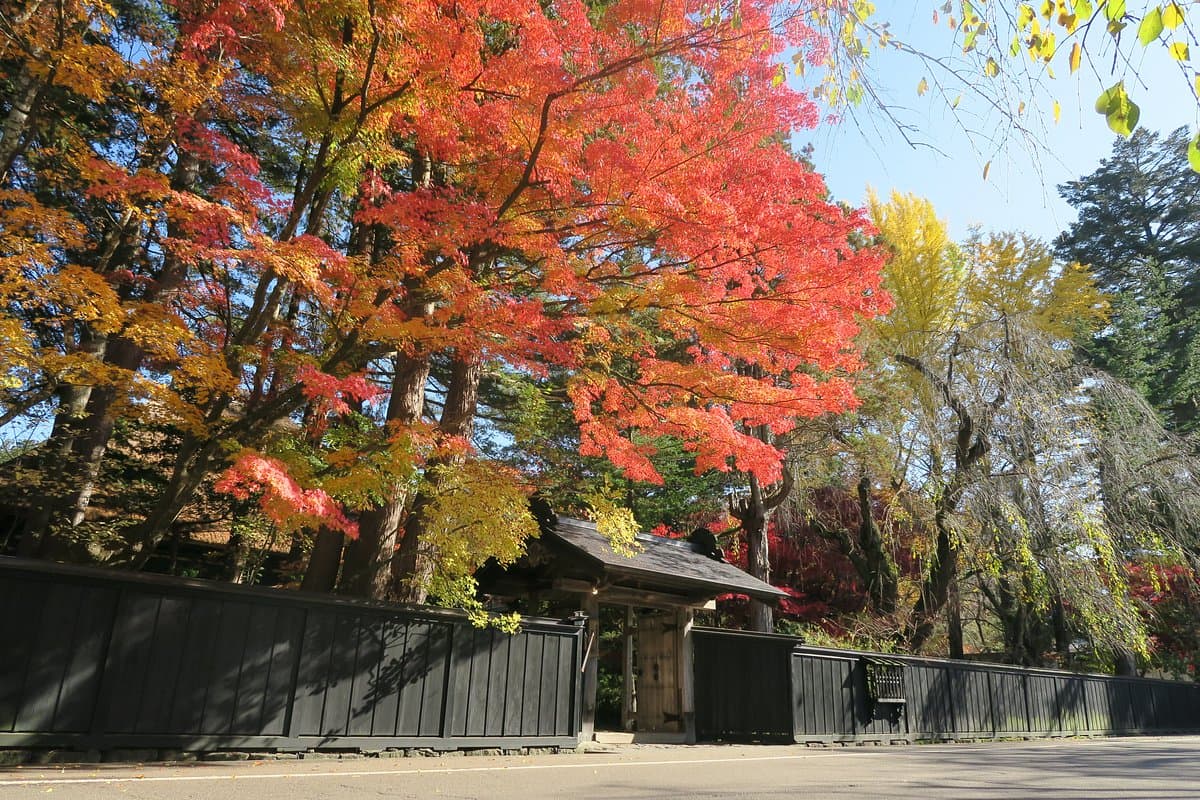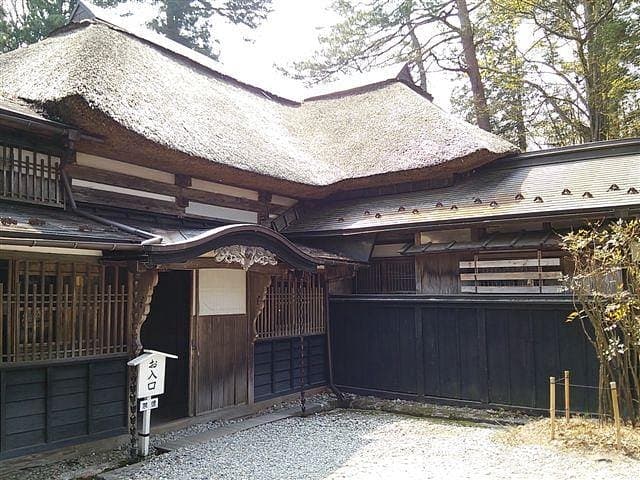
The Aoyagi Samurai Manor Museum is a significant historical complex in Kakunodate, representing one of the best-preserved and most extensive samurai residences open to the public. It offers a unique opportunity to understand the lifestyle, architecture, and cultural heritage of a high-ranking samurai family from the Edo period. The manor's large grounds house several buildings, each with distinct exhibits, providing a comprehensive overview of samurai life.
Visitors consistently praise the museum for its extensive and well-organized collections, which include armor, weapons, traditional lacquerware, and even vintage gramophones and cameras in the Haikara Pavilion. Many reviewers highlight the interactive elements, such as the opportunity to hold samurai swords and wear helmets, as a memorable and engaging aspect of their visit. The serene gardens and the overall atmosphere of the complex are also frequently mentioned as contributing to a pleasant and immersive experience. Reviewers often note that it is one of the most complete and well-maintained samurai houses in the area.
To make the most of your visit, allocate at least 1 to 2 hours to explore the entire complex thoroughly. Many visitors recommend arriving earlier in the day to avoid crowds, as the manor can get busy. Bringing a discount coupon, often available at the Kakunodate Station info center, can save on the admission fee. Comfortable walking shoes are advisable, as the grounds are extensive. While English signage is available, some visitors suggest that more detailed information would enhance the experience.
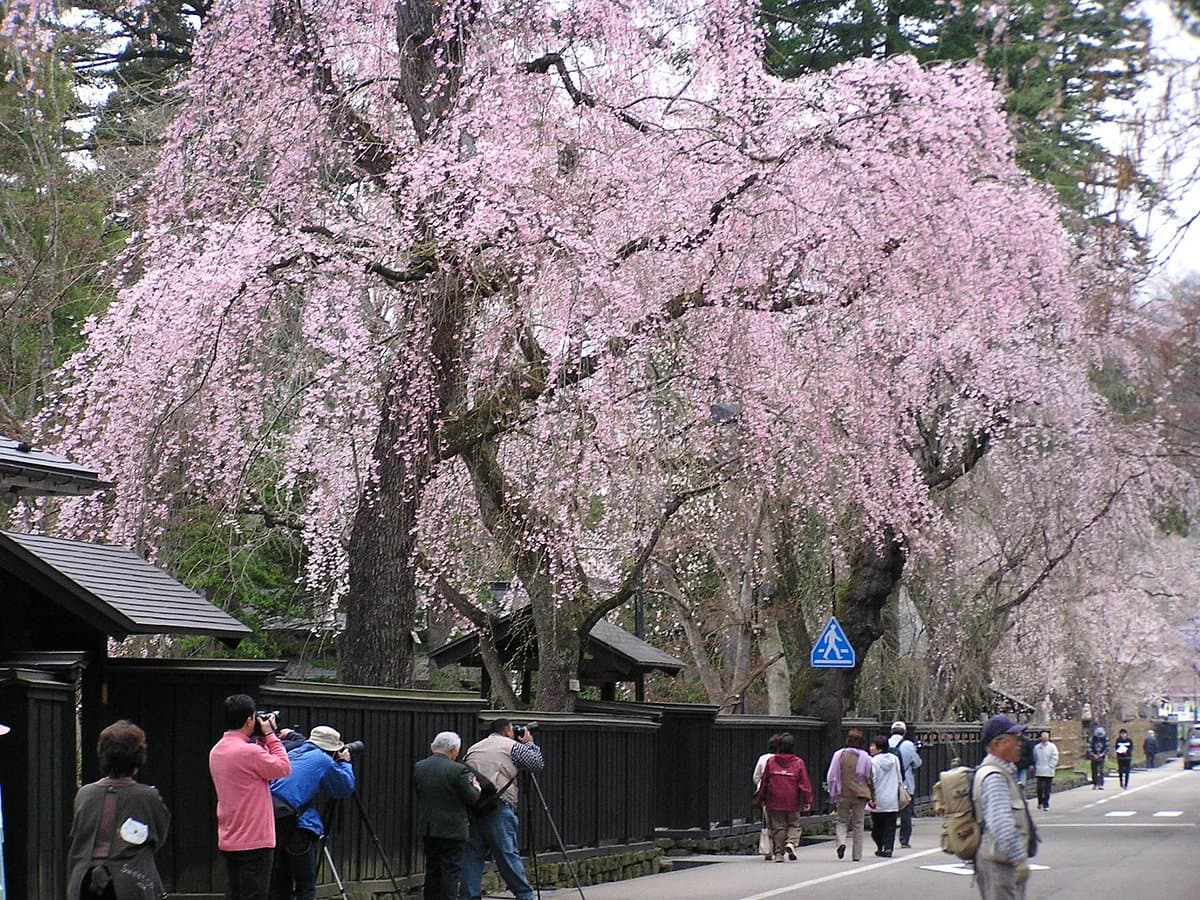
The Aoyagi Samurai Manor Museum is conveniently located on Kakunodate's Samurai Residence Street. From Kakunodate Station, it's an easy 20-40 minute walk (approximately 1.3 km), depending on your pace and whether you stop at shops along the way. Many visitors mention leaving their luggage in lockers at the station before heading to the district. The walk itself is pleasant, especially during spring or autumn, with clear signage guiding the way. For those driving, the area is accessible, though specific parking details are not frequently mentioned in reviews.
A common complaint among some visitors is the perceived lack of depth in certain exhibits or the feeling that some displays are a 'grab bag' of items. To mitigate this, focus on the main samurai-themed buildings and the interactive weapon displays, which receive the most positive feedback. While some reviewers found the samurai sword experience less impactful than expected, the overall consensus is that the historical architecture and diverse collections make it a worthwhile visit.