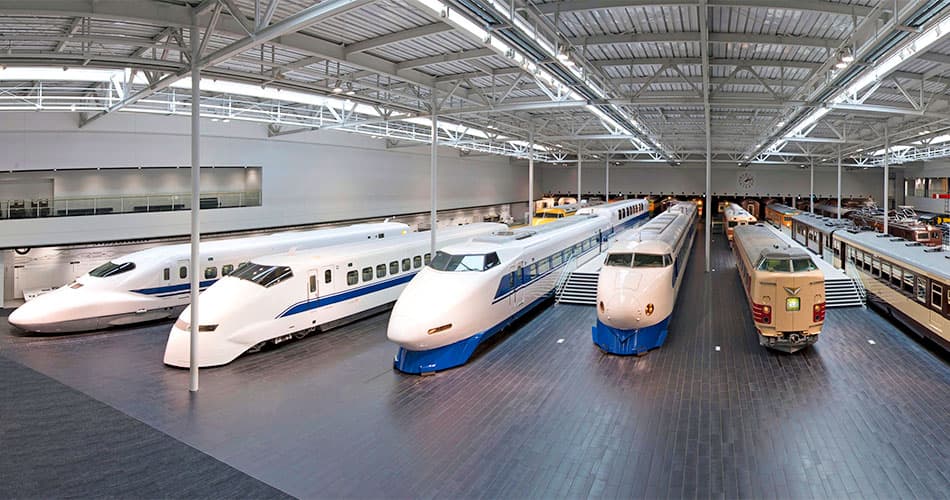
The SCMaglev and Railway Park is a premier museum in Nagoya dedicated to the history and future of Japanese railway technology, with a strong focus on the Tokaido Shinkansen. Established by JR Tokai, it showcases a remarkable collection of actual trains, from early steam locomotives to the latest Shinkansen models and the experimental Maglev train. The museum provides a deep dive into Japan's engineering prowess and its commitment to efficient, high-speed rail.
Visitors frequently highlight the sheer number of real trains on display, many of which allow access to their interiors, offering a unique perspective on railway evolution. The museum's interactive elements, such as driving simulators and a massive railway diorama depicting scenes from Tokyo to Osaka, are consistently praised for their engaging nature. Many reviewers, including those who aren't self-proclaimed train enthusiasts, found the exhibits surprisingly captivating and educational, often spending more time than initially planned. The museum is particularly popular with families, as it offers dedicated play areas for children and activities that cater to younger visitors.
To make the most of your visit, plan for at least 2-3 hours, though many visitors found themselves staying for half a day or even longer, especially if engaging with the simulators or with children. Arriving early on weekdays is recommended to avoid crowds, particularly families with young children. While some interactive experiences like the Shinkansen driving simulator operate on a lottery system, other simulators are more readily available. Consider bringing snacks or a bento box, as the on-site cafe can get busy, and bento options might sell out by the afternoon, especially during peak times like Golden Week. English signage and audio guides are available, though some deeper explanations might be primarily in Japanese.
The museum is conveniently located next to Kinjofuto Station, the last stop on the Aonami Line from Nagoya Station. The journey takes approximately 30 minutes. While the Japan Rail Pass is not valid on the private Aonami Line, the fare is inexpensive (around 350 yen). Nagoya Station is large, so follow signs carefully for the Aonami Line. For those driving, there is no parking directly at the facility; visitors should use the Kinjo Pier Parking Lot, which is about a three-minute walk from the museum. The museum is also adjacent to Legoland Japan, making it a viable option for a combined visit, though many recommend dedicating separate days to each.
A common complaint among some visitors is the lottery system for popular simulators, which can lead to disappointment if not selected. To mitigate this, consider visiting on a less crowded day or prioritizing other interactive exhibits. While the museum is generally well-equipped with English information, some detailed explanations might still be predominantly in Japanese, which can be a minor drawback for non-Japanese speakers seeking in-depth technical details. However, the visual nature of the exhibits and the available English translations are usually sufficient for a comprehensive understanding.