The Tokugawa Art Museum is a significant cultural institution in Nagoya, housing a vast collection of over 10,000 artifacts inherited from the Owari branch of the Tokugawa clan, one of the three main branches of the ruling Tokugawa family during the Edo period. Established in 1935, the museum preserves and displays items that reflect the prestige, wealth, and daily life of this powerful samurai family, including numerous National Treasures and Important Cultural Properties. It offers a unique window into Japan's feudal past and the artistry of the era.
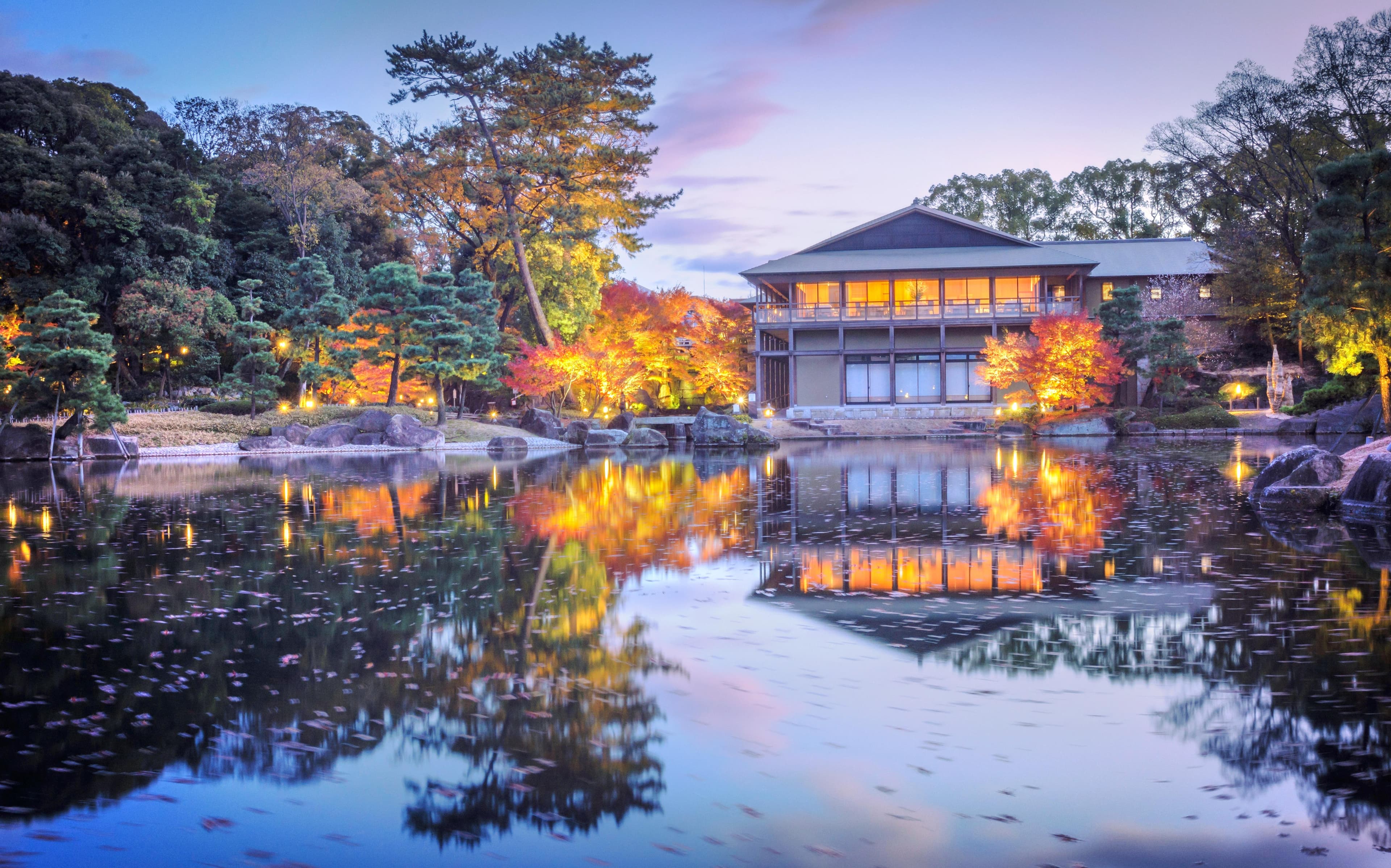
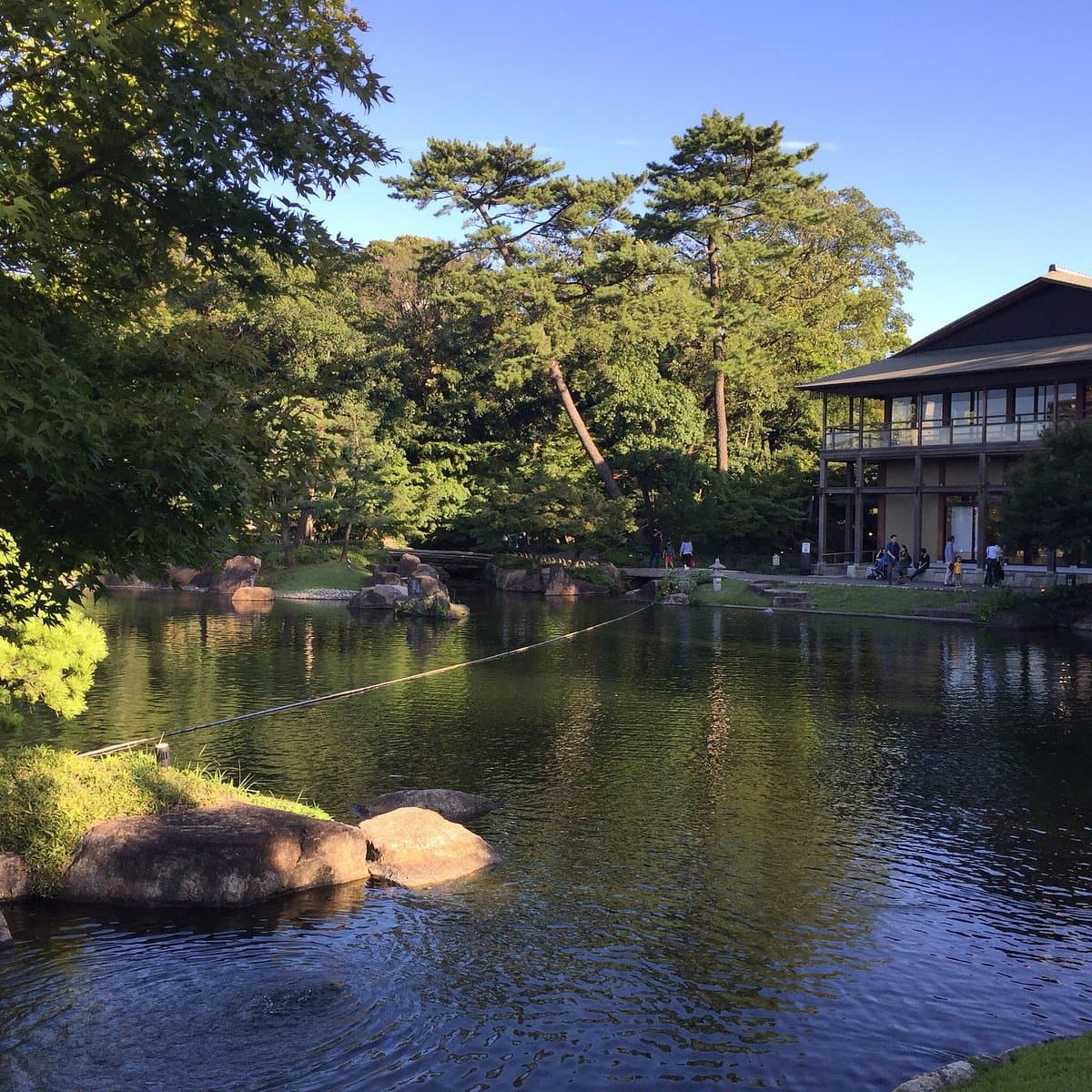
Visitors consistently praise the museum's well-curated displays, particularly the extensive collection of samurai armor, swords, and household items. Many highlight the opportunity to see national treasures like the Genji Monogatari handscrolls (though these are not always on display) and the exquisite craftsmanship of the artifacts. The museum is often described as peaceful and uncrowded, allowing for a contemplative experience. Reviewers frequently recommend combining a visit with the adjacent Tokugawa Garden, noting that the garden itself is a beautiful and serene complement to the museum's historical exhibits. The availability of English explanations for many exhibits is also a recurring positive point, making the history accessible to international visitors.
To make the most of your visit, allocate approximately 2-3 hours, especially if you plan to explore the Tokugawa Garden as well. Reviewers suggest visiting in spring or autumn for the garden's seasonal beauty. While some exhibitions may be temporary or rotated, leading to certain items not being on display, the overall collection remains impressive. It's advisable to check the museum's official website for current exhibition schedules, especially if you are keen on seeing specific national treasures like the Genji scrolls. Consider purchasing a combined ticket for both the museum and the garden to save money. Photography rules can vary; some recent reviews note that smartphone photography is now allowed in certain areas, but it's always best to confirm upon entry.
The museum is accessible via public transport. Several visitors mention taking the metro to Ozone Station and then walking, or using a bus from Nagoya Station. The walk from Ozone Station is signposted, but some reviewers noted it can be a bit far or confusing without clear directions, suggesting the area is residential. A bus ride from Nagoya Station or Sakae area is also a recommended option, with the museum being located near a bus stop. Driving is possible, and the museum is situated next to the Tokugawa Garden, making it easy to find once in the vicinity.
A common complaint among some visitors is the perceived small size of the museum or the limited number of artifacts on display at any given time, particularly if certain rooms are closed for renovation or new installations. Some also express disappointment if specific items, like the Genji scrolls, are not exhibited during their visit. To mitigate this, manage expectations by understanding that not all 10,000 items can be displayed simultaneously. Focus on the quality and historical significance of the items that are present, which are often of national importance. If a special exhibition is running, it might offer a more comprehensive display of certain themes or artifacts, so checking the schedule beforehand can enhance your experience.