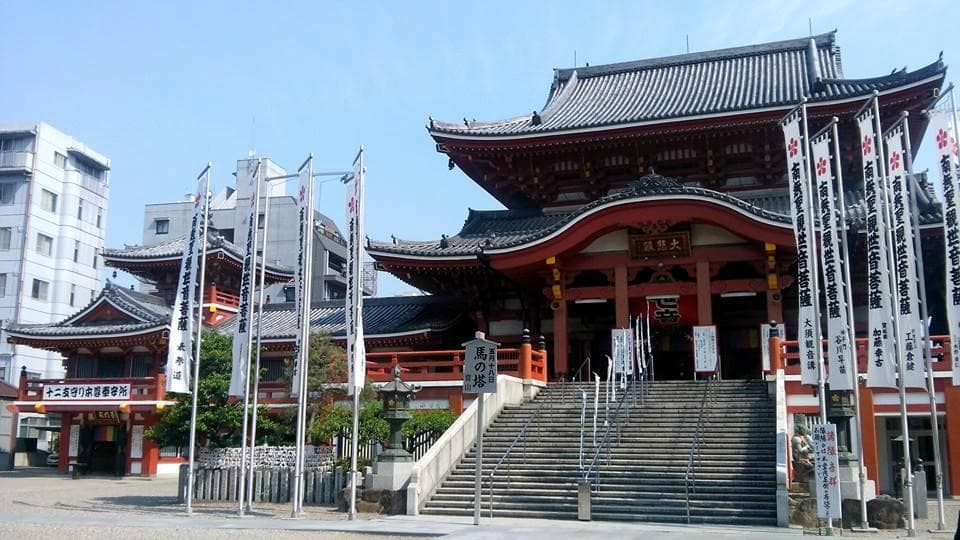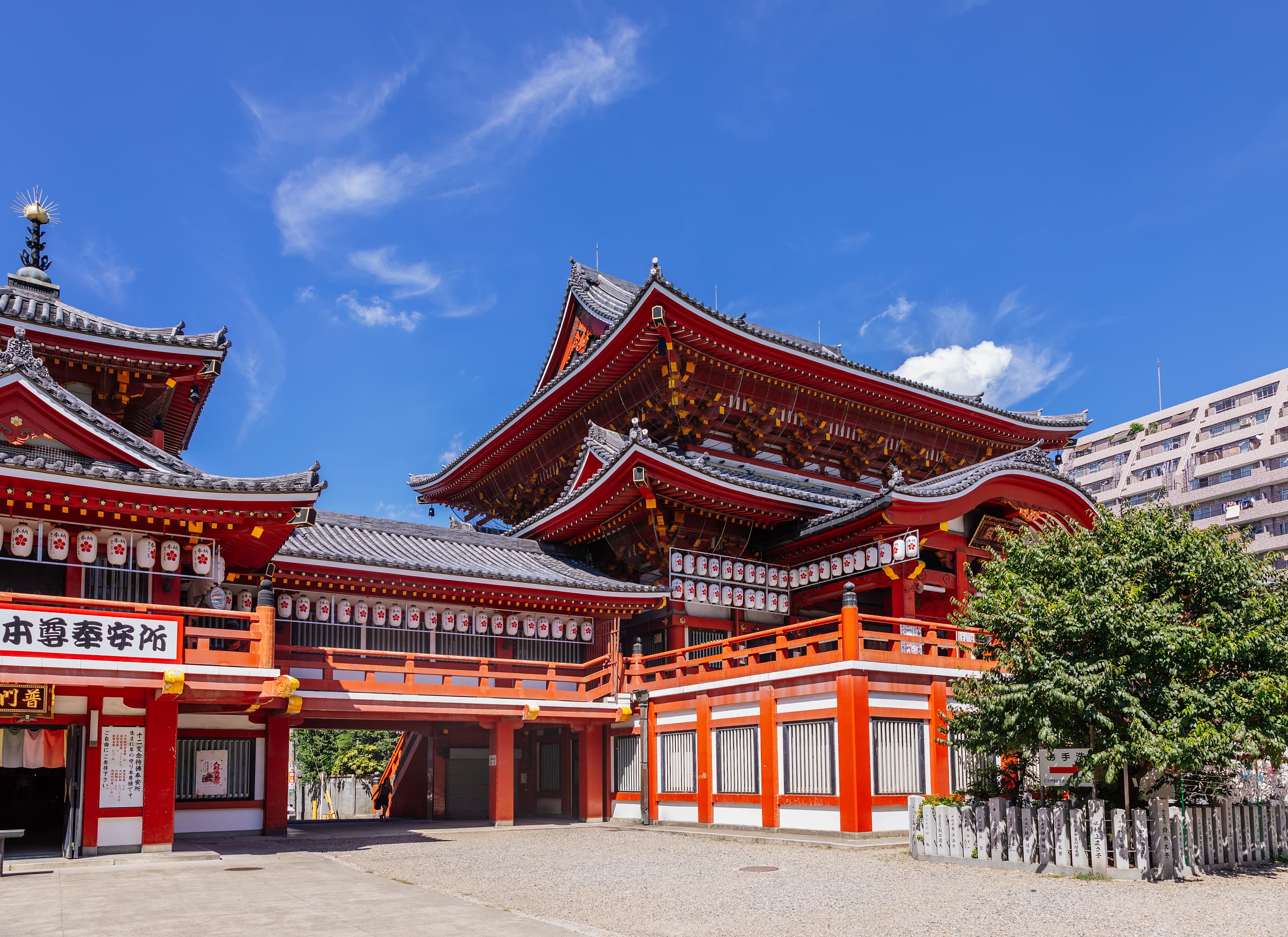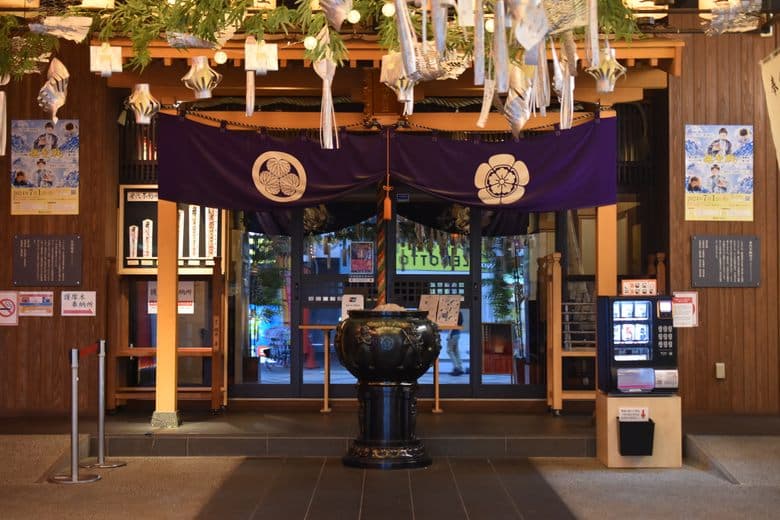
Kigakurin Banshōji Temple is a significant historical site in Nagoya, originally founded in 1540 by Oda Nobuhide, father of the famous warlord Oda Nobunaga. It served as the Oda clan's gravesite and later had connections to the Tokugawa clan, with Ieyasu reportedly held here as a child hostage. Despite its modern concrete facade, rebuilt after the 1945 bombings, the temple represents a deep historical lineage within the vibrant Ōsu shopping district, making it a unique blend of past and present.
Visitors often praise the temple's unexpected historical significance within a bustling commercial area. The automata, which reenact episodes from Oda Nobunaga's life bi-hourly, are a particular highlight, providing an engaging and accessible way to learn about Japanese history. The two smaller shrines at street level, Migawari Fudō-son and Shirayuki Dakini-ten, are also noted for their cultural and spiritual importance. Reviewers appreciate the temple's integration into the urban fabric, offering a moment of tranquility or historical reflection amidst shopping and dining.
To make the most of your visit, allocate about 1-2 hours, especially if you plan to watch the automata show. The temple is best visited during daylight hours to fully appreciate its details and the surrounding Ōsu district. There is no entry fee for the main temple grounds or the street-level shrines, making it an accessible cultural experience. Consider combining your visit with exploration of the Ōsu shopping arcades and the nearby Ōsu Kannon Temple for a full cultural immersion.
The temple is conveniently located within the Ōsu shopping district. It is easily accessible by public transport. The nearest subway stations are Ōsu Kannon Station (Tsurumai Line) and Kamimaezu Station (Tsurumai Line and Meijō Line), both within a 5-10 minute walk. From Nagoya Station, take the Higashiyama Line to Fushimi Station, then transfer to the Tsurumai Line to Ōsu Kannon or Kamimaezu. Walking through the Ōsu arcades to reach the temple is part of the experience, offering a glimpse into local life.
A common complaint is that the modern exterior of the temple can be misleading, causing some visitors to overlook its historical importance or mistake it for just another building in the shopping district. To mitigate this, it is advisable to read up on the temple's history beforehand to fully appreciate its significance. Also, be aware that the automata shows run at specific times, so check the schedule if you wish to see them.