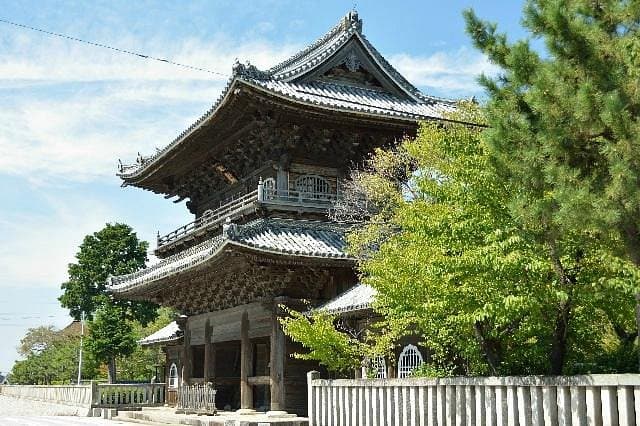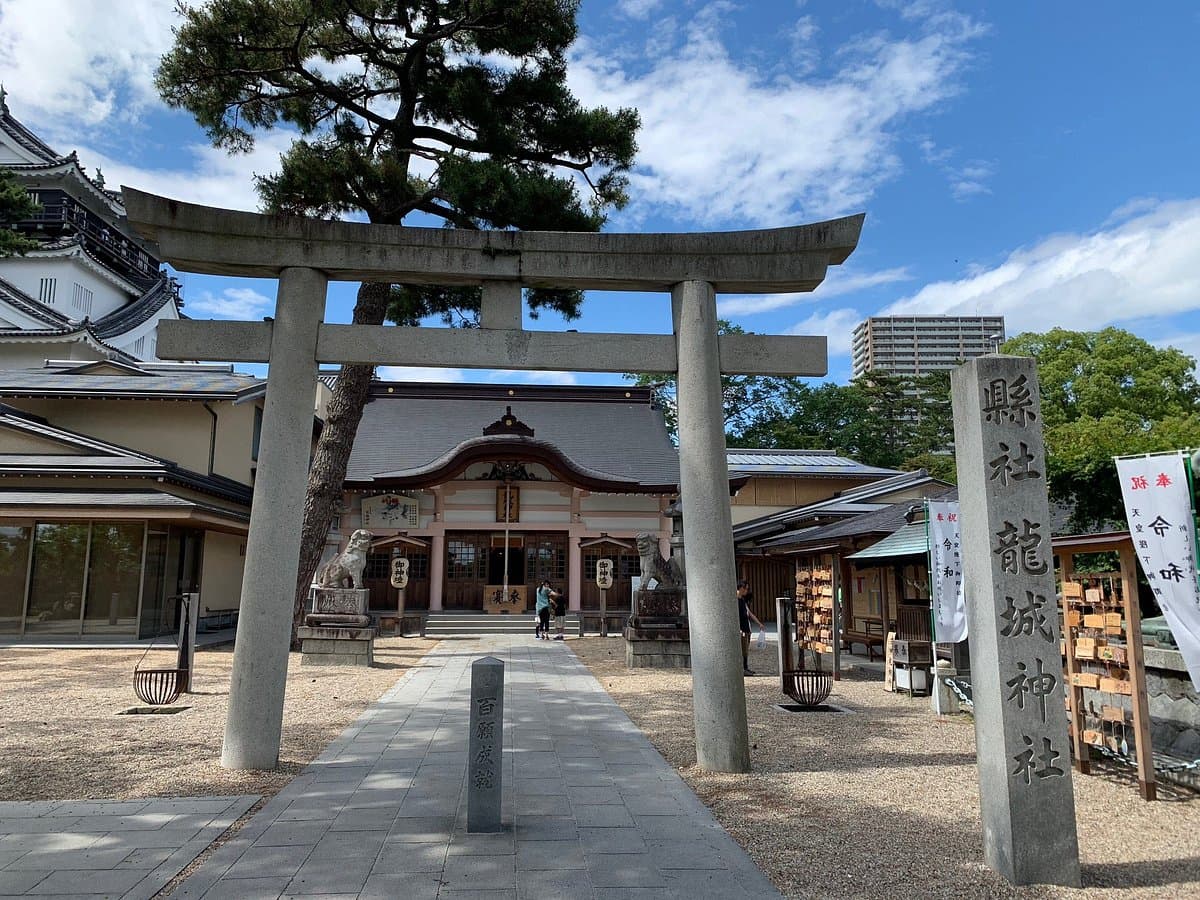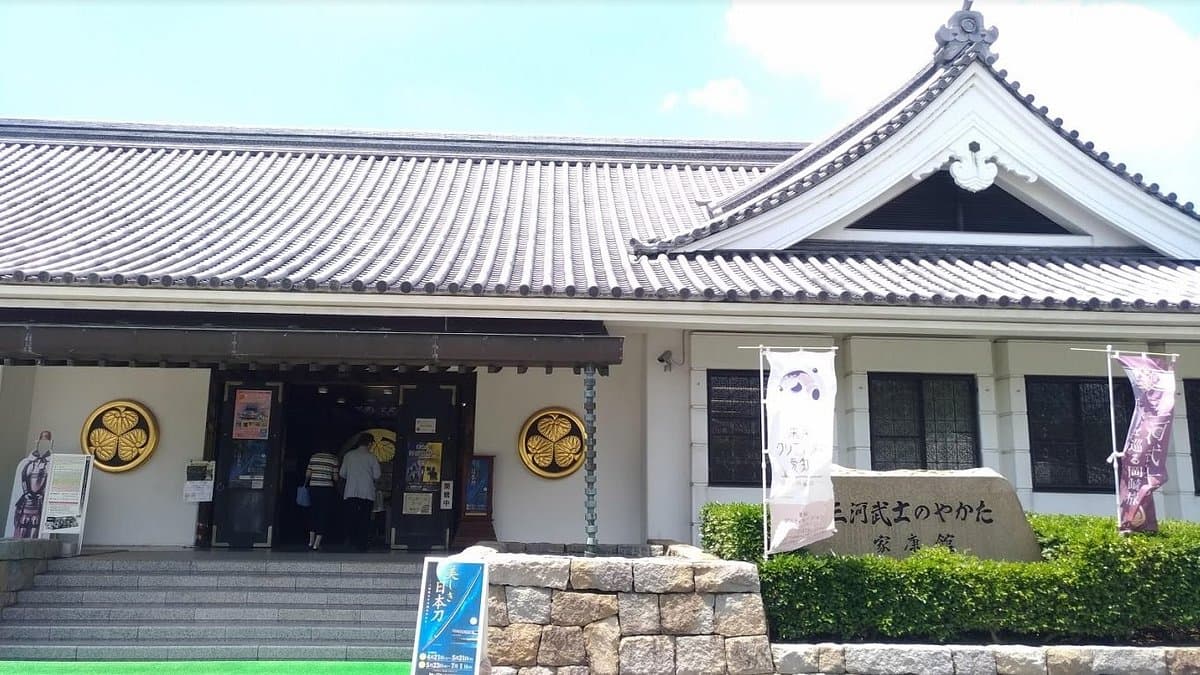
Iga Hachimangu Shrine holds a notable place in Japanese history, particularly for its connections to the powerful Matsudaira and Tokugawa clans. Founded in 1470 by Matsudaira Chikatada, the fourth head of the Matsudaira clan, it later became a revered guardian deity for Tokugawa Ieyasu and subsequent Tokugawa Shoguns. Its historical significance stems from Ieyasu's reported visits before major battles, seeking divine protection and guidance during a turbulent period of war.
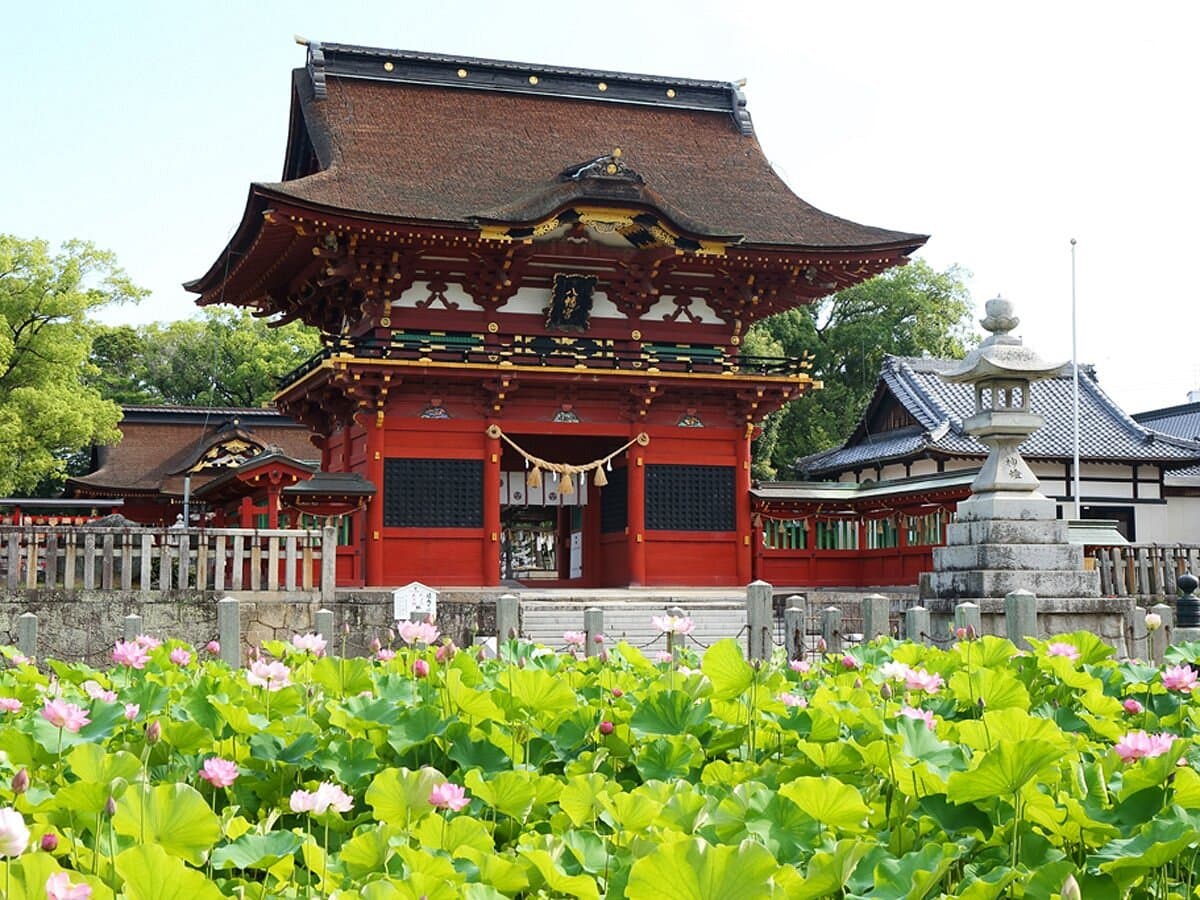
Visitors consistently highlight the shrine's historical depth, appreciating its role in the narrative of the Tokugawa shogunate. Reviewers note the peaceful atmosphere and the opportunity to connect with a tangible piece of Japan's feudal past. The presence of a lotus pond near the worship hall is also mentioned as a pleasant feature, offering a serene detour for those exploring the grounds.
For a meaningful visit, allocate approximately 30-60 minutes to explore the shrine and its immediate surroundings. The best time to visit is during daylight hours, allowing for clear views of the architecture and the lotus pond. There are no specific items to bring, but comfortable walking shoes are always advisable. This shrine is best appreciated by those with an interest in Japanese history, particularly the Sengoku period and the rise of the Tokugawa clan.
The shrine is located at 86 Higashigonaka Igacho, Okazaki, Aichi Prefecture. Reviewers mention a parking lot, from which visitors can descend a few steps to reach the shrine. While specific public transport details are not highlighted in reviews, Okazaki is accessible by train, and local buses or taxis would likely connect to the shrine from major stations. Driving appears to be a convenient option given the mention of a parking facility.
Common complaints are not explicitly detailed in the reviews, but visitors should manage expectations regarding the size and scale of the shrine. It is not a sprawling complex but rather a more intimate historical site. Those expecting grand, elaborate structures might find it modest. To mitigate this, focus on the historical narrative and the tranquil ambiance rather than architectural grandeur.