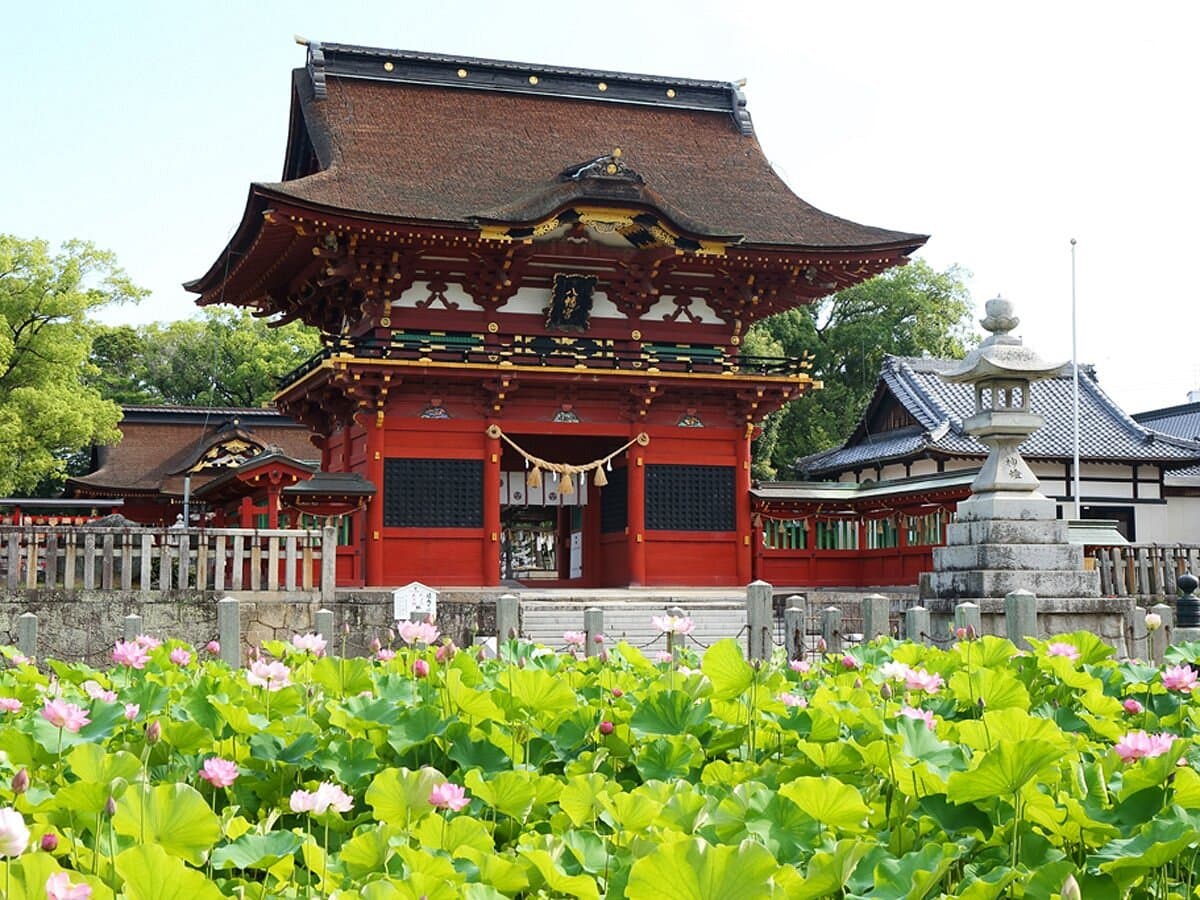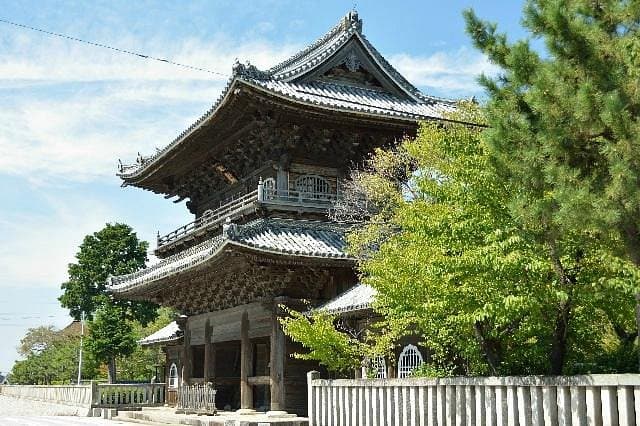
Daijuji Temple holds immense historical importance as the family temple of the Tokugawa clan, founded by Tokugawa Ieyasu's grandfather. It is particularly renowned as the site where Tokugawa Ieyasu was reportedly dissuaded from suicide after a significant loss, marking a pivotal moment in his life. The temple houses the unique display of mortuary tablets (Ihais) for 14 of the 15 Tokugawa Shoguns, offering a tangible connection to Japan's Edo period rulers.
Visitors consistently praise the temple's historical depth and the opportunity to see the shogun's audience hall and the distinct waiting rooms for various daimyo, which illustrate the Tokugawa clan's high status. Many find the life-sized memorial tablets of the shoguns particularly impressive. The temple is often described as quiet and peaceful, providing a contemplative atmosphere for exploring its rich history. However, some visitors note that without a guide, the full historical context might be missed, suggesting that a guided tour or prior research can enhance the experience.
To make the most of your visit, allocate approximately 1 to 2 hours. It's advisable to visit during off-peak hours to enjoy the tranquility that many reviewers appreciate. Consider bringing a guidebook or doing some research on the Tokugawa Shogunate beforehand to fully understand the significance of the artifacts and architecture. While the temple grounds are generally accessible, some areas might involve stairs. The back area, where the audience hall and daimyo waiting rooms are located, requires an entry fee.
Daijuji Temple is located at 5-1 Hiromoto, Kamodacho, Okazaki. While public transport options are available to Okazaki, reaching the temple itself might require a local bus or taxi from the nearest train station. For those driving, parking is available on the temple grounds, though it is now paid. Reviewers mention a cost of 200 yen for up to 30 minutes and 500 yen for up to an hour. The pagoda, located to the left from the parking lot, is highlighted as a must-see.
A common complaint among visitors is the recent introduction of paid parking, which used to be free. While this is a minor inconvenience, it's good to be aware of the parking fees when planning your visit. Additionally, some visitors feel that without a guide, the historical narrative can be less engaging. To mitigate this, consider joining a group tour that includes an explanation or utilizing audio guides if available, or simply reading up on the temple's history before your arrival.