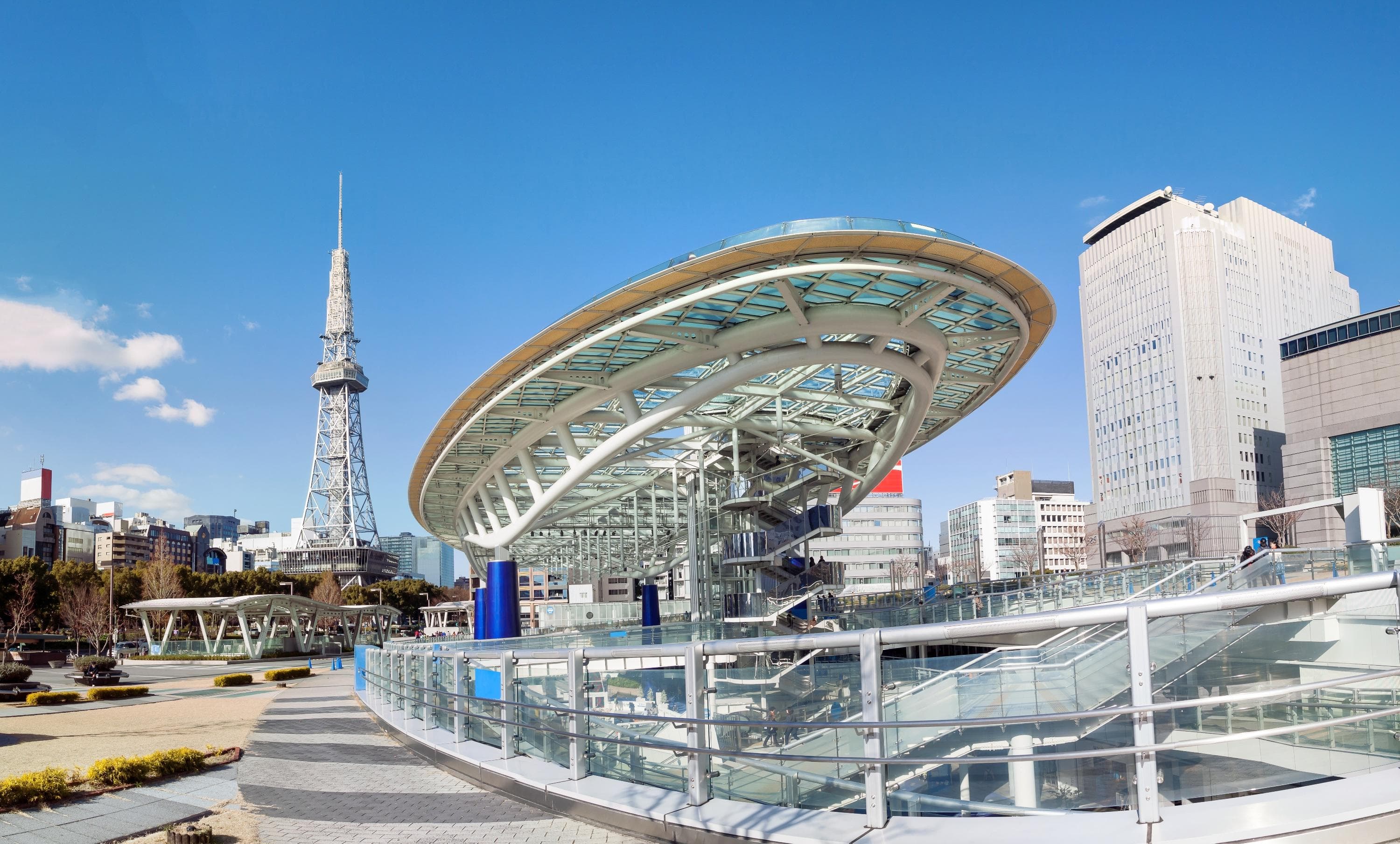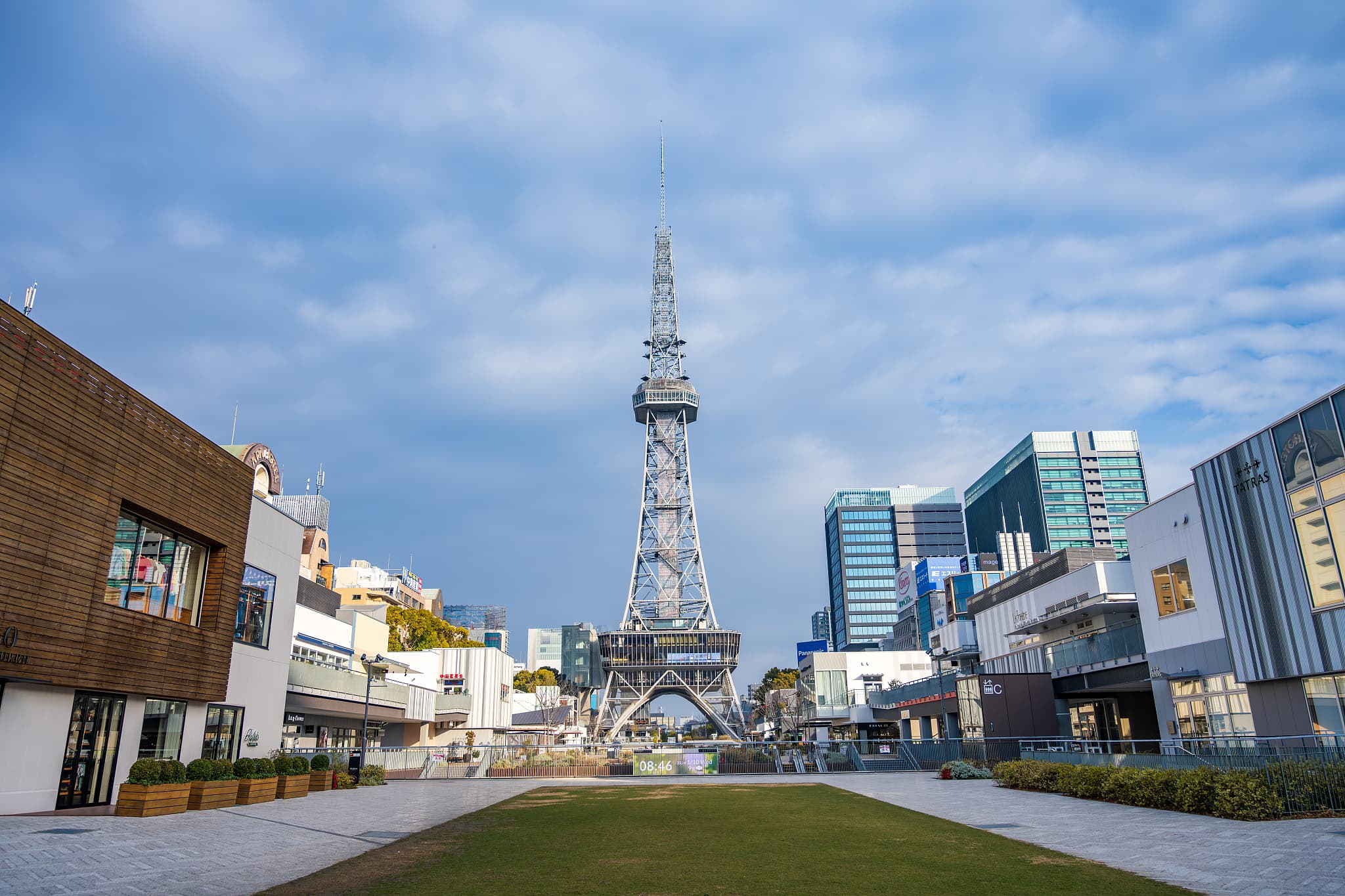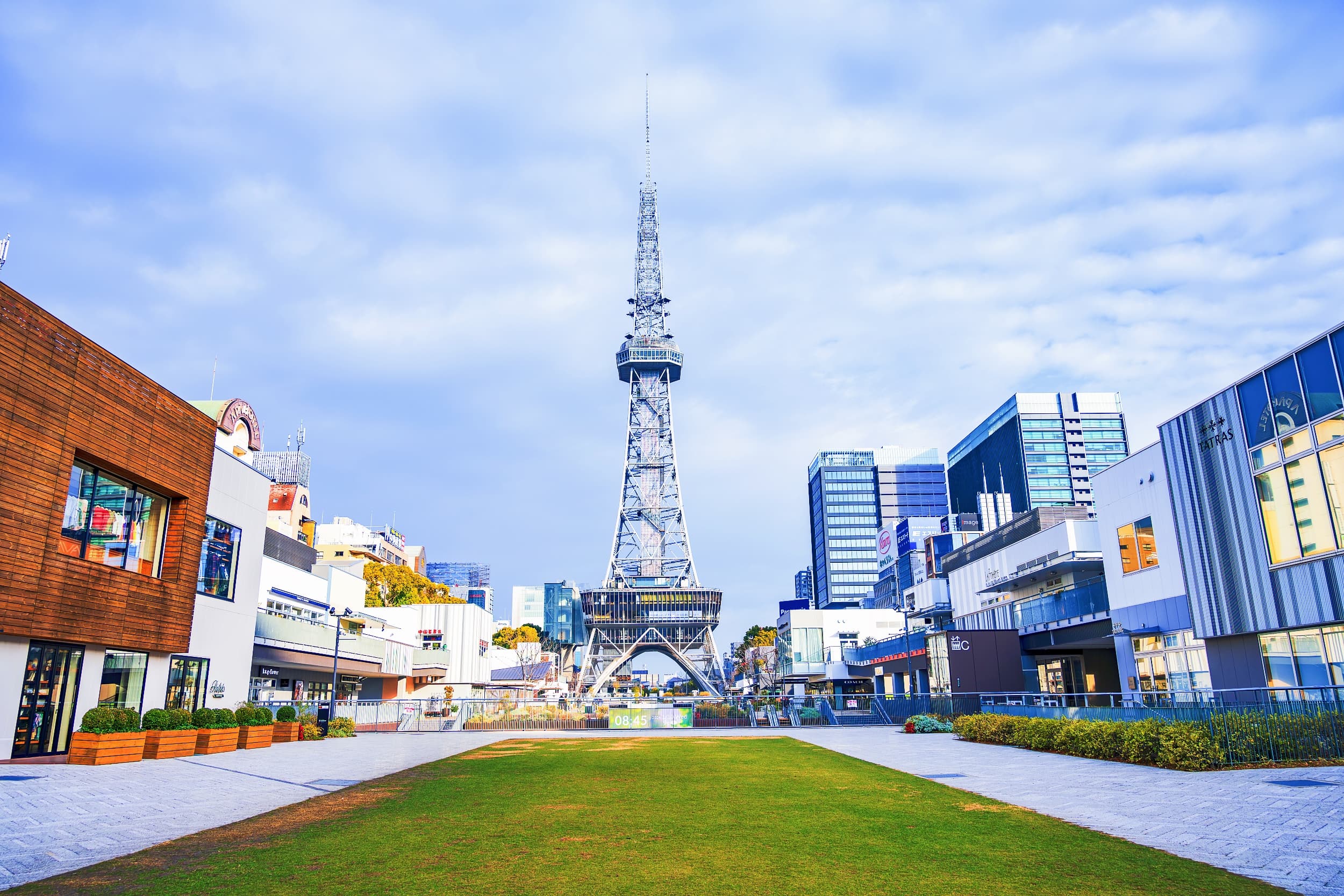
Hisaya Ōdōri Park is a significant urban green space in Nagoya, conceived after World War II to bring nature into the city center. Spanning approximately two kilometers from north to south, it serves as a vital recreational area and a green lung for the bustling Sakae district. The park is notable for its diverse flora, which offers changing scenery with the seasons, from cherry blossoms in spring to vibrant autumn leaves.
Visitors consistently praise the park's accessibility and its central location, often noting its proximity to the Nagoya TV Tower and the extensive shopping and dining options in Sakae. Many describe it as a pleasant place for a walk, a run, or simply to relax. Reviewers highlight the park's spacious and comfortable atmosphere, making it suitable for families with children and the elderly. The presence of various shops, cafes, and restaurants along its edges is frequently mentioned, providing convenient options for meals and refreshments.
To make the most of a visit, consider spending about 1-2 hours here, perhaps combining it with a trip up the Nagoya TV Tower for city views. The park is particularly enjoyable in the morning before the shops get too busy, or in the evening when some areas are lit up, creating a pleasant ambiance for a date or a casual stroll. While the park itself is not large, its length allows for a decent walk. Bringing a picnic or grabbing a coffee from one of the nearby cafes can enhance the experience.
The park is exceptionally well-connected by public transport. It is located very close to Sakae Station, a major hub for the Nagoya Municipal Subway (Higashiyama Line and Meijo Line). Many reviewers note its easy accessibility, making it a convenient stop for anyone exploring the city center. Given its central location, walking from Sakae Station is the most straightforward option, with the park stretching directly along Hisaya-Odori Street.
Common complaints are few, primarily stemming from the park being perceived as a 'small path' rather than a sprawling natural reserve. Visitors expecting a vast, secluded park might find it more urban than anticipated. To mitigate this, approach it as an urban green corridor designed for relaxation and convenience within a busy city environment, rather than a wilderness escape.