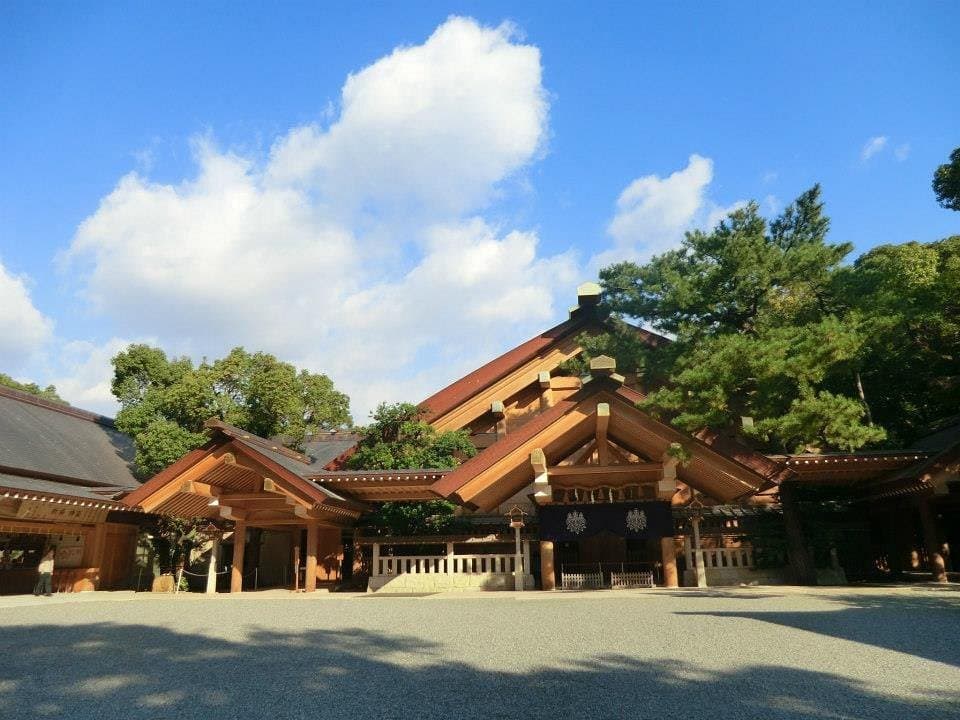
Atsuta Jingu is one of Japan's most significant Shinto shrines, with a history spanning nearly 1,900 years. It is particularly renowned for enshrining the Kusanagi-no-Tsurugi (Grass-Mowing Sword), one of the Three Sacred Treasures of Japan, making it a site of immense cultural and spiritual importance. While the sword itself is not on public display, the shrine's historical weight and serene atmosphere draw millions of visitors annually.
Visitors consistently highlight the shrine's expansive and beautifully maintained grounds as its main appeal. Many describe the experience as peaceful, tranquil, and a refreshing escape from the bustling city, with the shaded paths and ancient trees creating a sacred and calming environment. Reviewers frequently mention feeling a sense of spiritual cleansing or divine power. The opportunity to witness traditional Japanese weddings or ceremonies, especially during festivals like Shichi-Go-San, is often cited as a memorable and authentic cultural experience. However, some visitors express disappointment that the main shrine building is not accessible for entry, and the sacred sword is not visible, leading to a perception of 'nothing much to see' for those expecting grand displays.
To make the most of your visit, plan to spend 1.5 to 2 hours exploring the grounds. Arriving early in the morning is highly recommended to avoid crowds and experience the shrine's tranquility. Many visitors suggest taking a leisurely stroll through the forested paths and exploring the various sub-shrines and auxiliary buildings. While English explanations are limited, researching the shrine's history beforehand can enhance the experience. Don't miss the opportunity to try the famous Kishimen noodles at Miya Kishimen, located within the grounds, which many reviewers praise. Consider bringing comfortable walking shoes, as the grounds are extensive.
Atsuta Jingu is very well-connected by public transport. It is easily accessible from Nagoya Station via the Meitetsu Nagoya Line to Jingumae Station, which is directly across the street from the East Gate. Alternatively, you can take the subway (Meijo Line) to Atsuta Jingu Nishi Station or Atsuta Jingu Temma-cho Station, both within a 5-10 minute walk to different entrances (the West Gate is often mentioned from Atsuta Jingu Nishi). JR lines also serve the area, making it a central transportation hub. For those driving, parking lots are available, with some reviewers mentioning free parking options near the West Gate, though it can get crowded on weekends and holidays.
A common complaint is the lack of extensive English signage or information, which can make it challenging for international visitors to fully grasp the historical and spiritual significance of various elements. To mitigate this, consider hiring a volunteer guide if available, or do some pre-visit research on the shrine's history and the significance of its various structures and rituals. Some visitors also find the shrine less spectacular than other famous Japanese shrines, particularly if they have visited places like Meiji Jingu. Managing expectations regarding direct access to the main shrine or viewing the sacred sword can prevent disappointment.