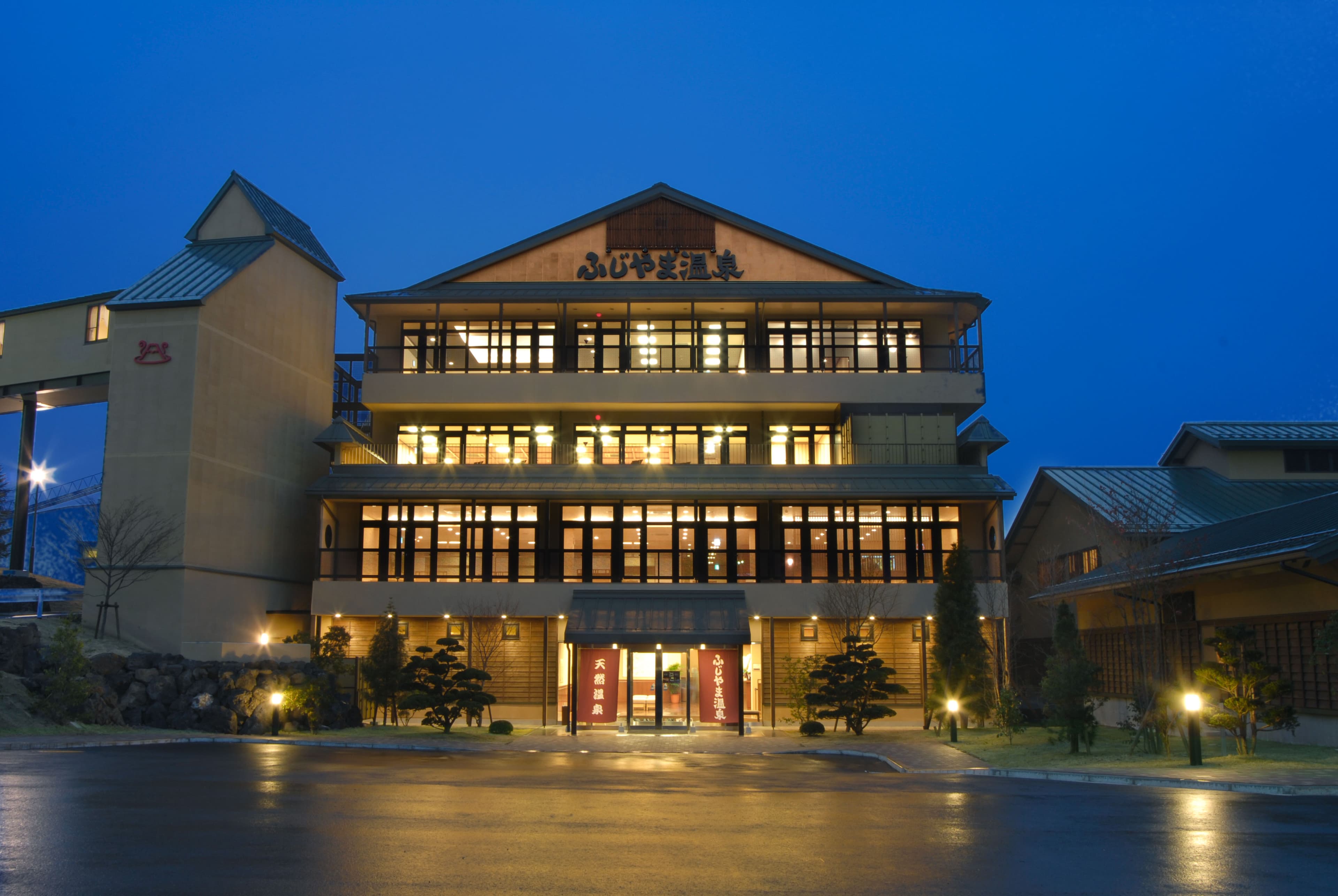
The Earthquake Simulation Center, also known as the Fuji Earthquake Museum, is an educational facility designed to raise awareness about earthquakes and disaster prevention. It offers interactive exhibits, including an earthquake simulator that allows visitors to experience different magnitudes of seismic activity, and displays on plate tectonics and volcanic activity. The center aims to equip visitors with knowledge and strategies for coping with natural disasters, a particularly relevant topic in earthquake-prone Japan.
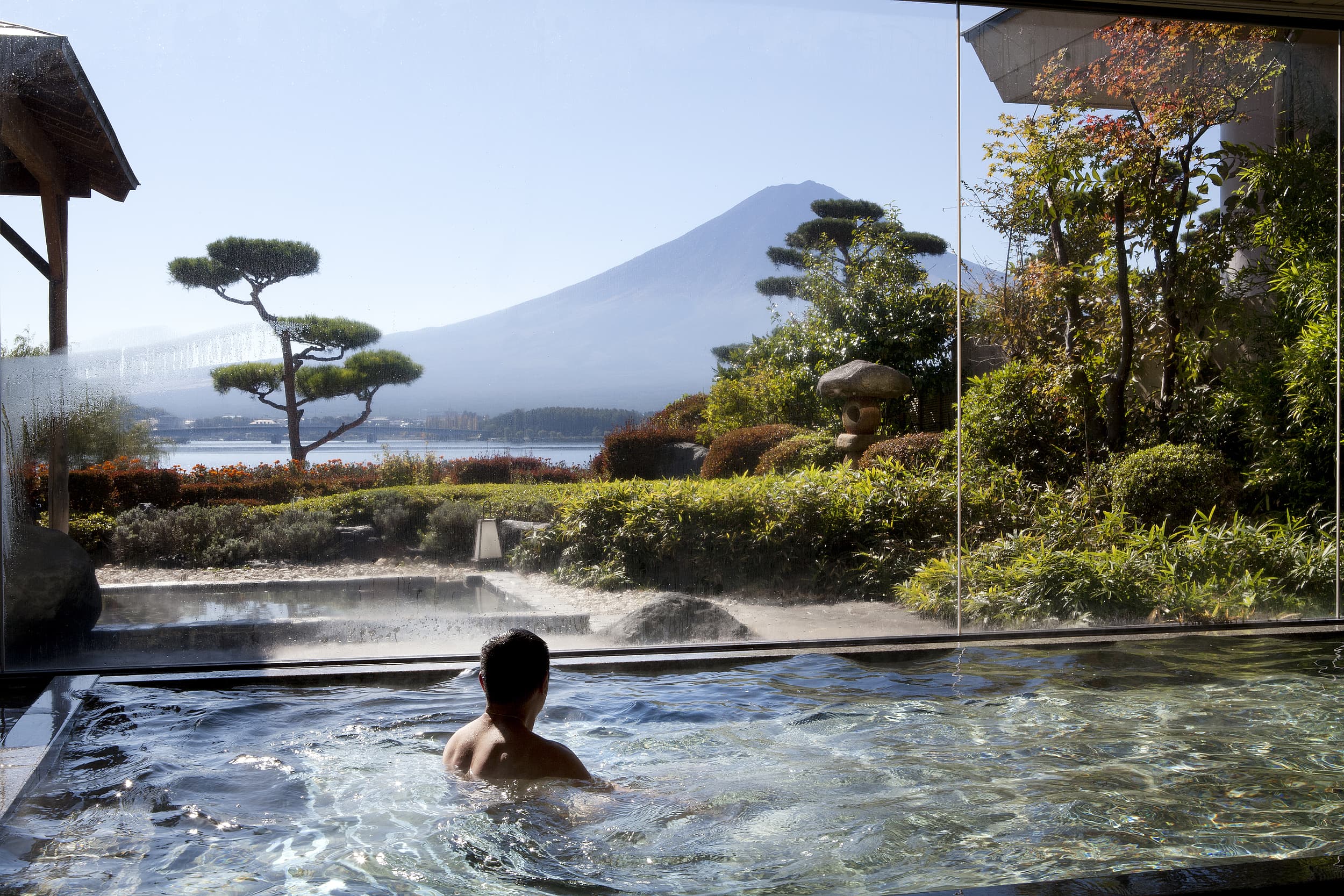
Visitors consistently praise the unique and educational aspect of experiencing an earthquake simulation firsthand, noting how it provides a tangible understanding of seismic power. Many appreciate the professional explanations, even if they sometimes require translation. The center is often highlighted for its potential to instill calmness and preparedness, especially for children. Some reviewers also mention the pleasant surroundings and the possibility of seeing Mount Fuji from the location, adding to the overall experience.
However, a recurring theme in visitor feedback is the center's strong orientation towards tour groups, often coupled with a significant commercial element. Independent travelers frequently report being surprised by the requirement for reservations or finding themselves in a setting primarily designed for group tours, which can make the educational experience feel rushed or secondary to shopping opportunities. To make the most of your visit, consider going with a tour group if possible, or be prepared for a potentially less structured experience as an individual. Allocate about 1-2 hours for the visit, focusing on the simulation and educational areas.
The center is located at Funatsu, Fujikawaguchiko. For those relying on public transport, some reviewers mention taking the blue line from Kawaguchiko Station and getting off at Yamanashi Shopping Center Station. However, independent travelers should be aware that walking from Kawaguchiko Station can take around 20 minutes, and the facility's group-centric nature might make direct public transport access less straightforward for solo visitors. It's advisable to confirm the best route and any reservation requirements beforehand, especially if not part of an organized tour.
The most common complaint revolves around the center feeling more like a shopping classic with a mini earthquake experience rather than a dedicated museum. Visitors on organized tours sometimes feel that the earthquake part is hastily passed over to make time for shopping. To mitigate this, manage your expectations regarding the depth of the educational content if you are not part of a dedicated educational tour. If you are an independent traveler, be prepared for potential difficulties with access or a less focused experience compared to what might be expected from a museum.