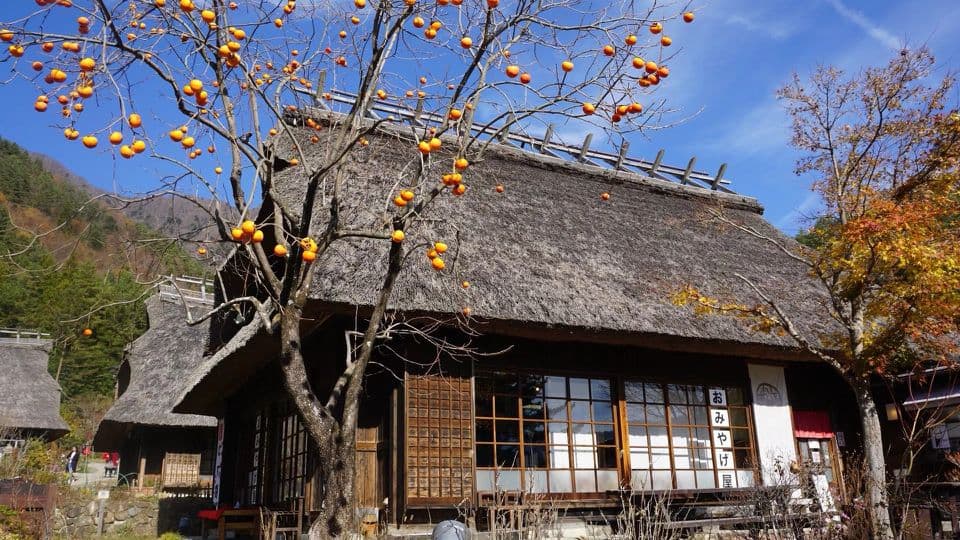
Saiko Iyashi-no-Sato Nemba is a meticulously reconstructed traditional Japanese village, rebuilt after a devastating typhoon and landslide in 1966. It serves as a living museum, showcasing the architectural style of traditional thatched-roof houses (gassho-zukuri) and offering insights into rural life in the region. Its primary significance lies in preserving and presenting a historical Japanese landscape, with the added allure of Mount Fuji as a stunning backdrop.
Visitors consistently praise the village for its picturesque scenery and excellent photo opportunities, particularly with Mount Fuji in the background. Many appreciate the peaceful and relaxing atmosphere, noting it's less crowded than other popular spots like Oshino Hakkai. The various houses, converted into craft shops, small museums, and workshops, are a highlight, allowing visitors to engage with local artisans, try traditional crafts, or even rent kimonos and samurai outfits for photos. Reviewers frequently mention the unique souvenirs available and the chance to try local delicacies like grilled fish or hoto noodles.
To make the most of your visit, plan for 1.5 to 2 hours, which allows ample time to explore the houses and enjoy the views without rushing. Arriving early in the morning is recommended to avoid crowds and potentially get clearer views of Mount Fuji, as clouds often gather later in the day. While some houses offer interactive experiences, many captions are in Japanese, so consider using a translation app if you want to delve deeper into the exhibits. Don't forget to bring your camera for the stunning photo opportunities. The entrance fee is modest, and some reviewers mention discounts for seniors.
The village is located near Lake Saiko, a bit further from Kawaguchiko Station than some other attractions. The most common way to get there is by taking the Green Line bus (Saiko Line) from Kawaguchiko Station. Reviewers specifically mention bus stop 48, 'Saiko Iyashi-no-Sato Nemba', as the correct stop. The bus ride offers scenic views along Lake Saiko. For those driving, there is free parking available near the entrance. Some adventurous visitors also rent bikes from Kawaguchiko to cycle to the village, noting it's a pleasant ride.
A common complaint among some visitors is that the village can feel somewhat commercialized, with many houses converted into souvenir shops rather than authentic living spaces. Some also find it less extensive or 'authentic' compared to larger traditional villages like Shirakawa-go. To mitigate this, focus on the houses that offer demonstrations or historical exhibits, and embrace the opportunity to purchase unique local crafts. Manage expectations by understanding it's a reconstructed tourist attraction designed to showcase traditional architecture and culture, rather than a fully preserved historical settlement.