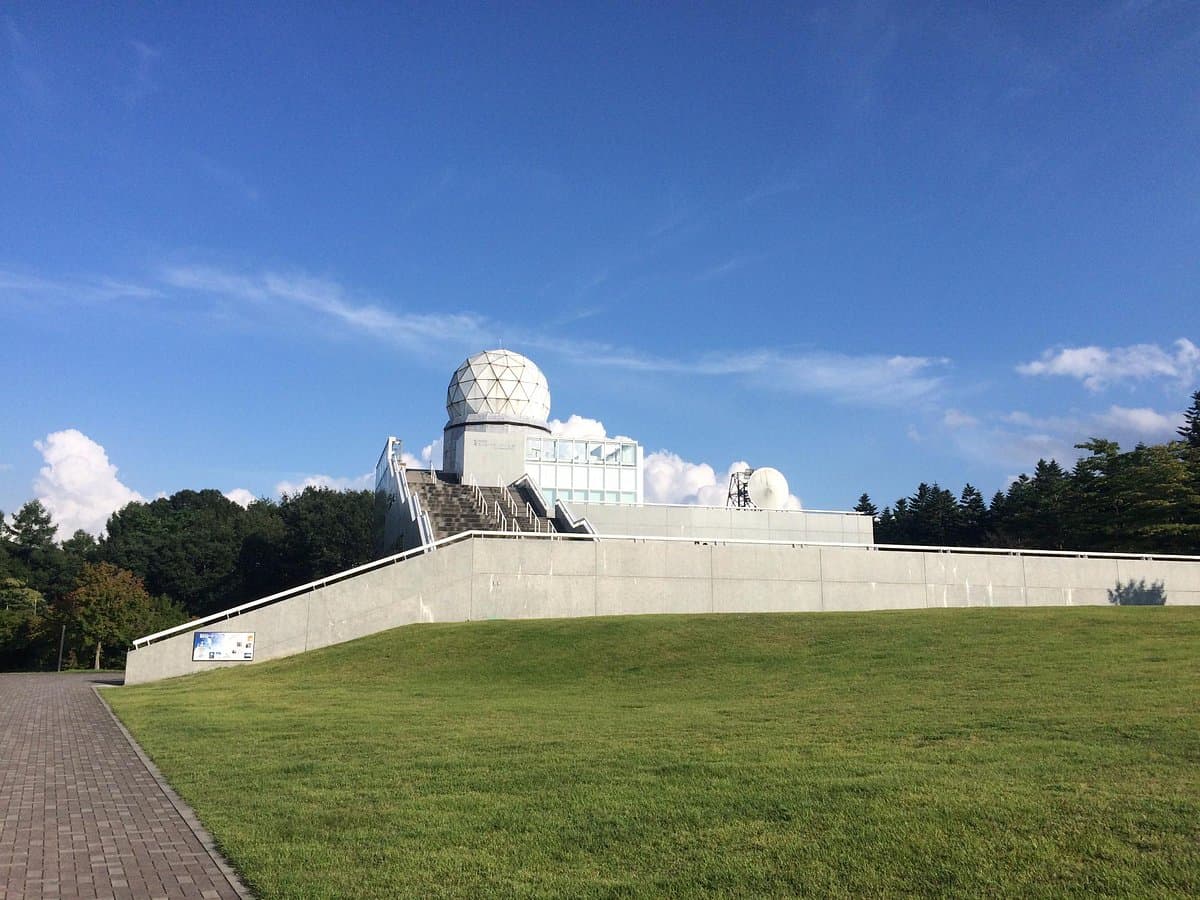
The Mt. Fuji Radar Dome is a museum dedicated to the former weather radar station that operated on the summit of Mount Fuji from 1965 to 1999. This dome played a vital role in predicting hazardous weather conditions, including typhoons and heavy snowfalls, for a significant portion of Japan. Its relocation to ground level in 1999, after being replaced by satellite technology, transformed it into an accessible educational exhibit, preserving a piece of Japan's meteorological history.
Visitors consistently praise the museum for its unique focus, offering a different perspective on Mount Fuji beyond its scenic beauty. Many find the story of the dome's construction and operation, especially its high-altitude challenges, to be quite inspiring. A particular highlight for several reviewers is the special room where one can experience the simulated temperature and wind conditions found at the summit of Mt. Fuji in winter, providing a tangible sense of the extreme environment. While some interactive elements, like quizzes, are noted to be primarily in Japanese, staff are generally gracious and provide information in English, enhancing the experience for international visitors.
To make the most of your visit, allocate about 1 to 2 hours. It's best to visit during off-peak hours to avoid crowds, as the museum is not as busy as other attractions. Consider bringing a light jacket, even if it's warm outside, to fully appreciate the simulated winter conditions room. While the museum itself is not large, the information presented is dense and engaging for those interested in science and history. Reviewers suggest that families with elementary-aged children who understand some Japanese might particularly enjoy the interactive quizzes.
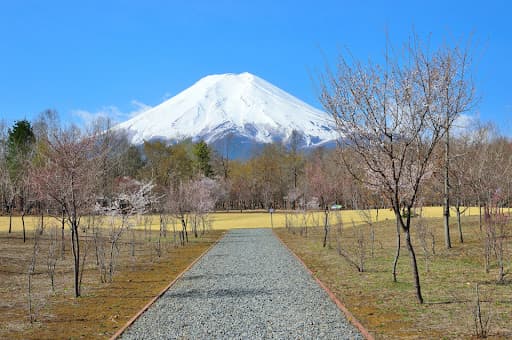
The Mt. Fuji Radar Dome is located about 4 km from Fujisan Station (not Fuji Station). Visitors have several options for reaching the museum from the station, including taking a bus, a taxi, or renting an e-bike. The area around the museum is generally not crowded, making for a pleasant journey. If driving, there is a car park available, and some visitors note that you can get a view of Fuji from the car park itself, even if you don't go inside the museum.
A common complaint among non-Japanese speaking visitors is the limited English translation for some of the interactive exhibits, particularly the quizzes. To mitigate this, consider using a translation app on your phone for specific text, or ask the staff for assistance, as many are willing to help. While the film shown upon entry is informative, some find it to be a bit dated. Focus on the physical exhibits and the simulated experience for the most impactful visit.