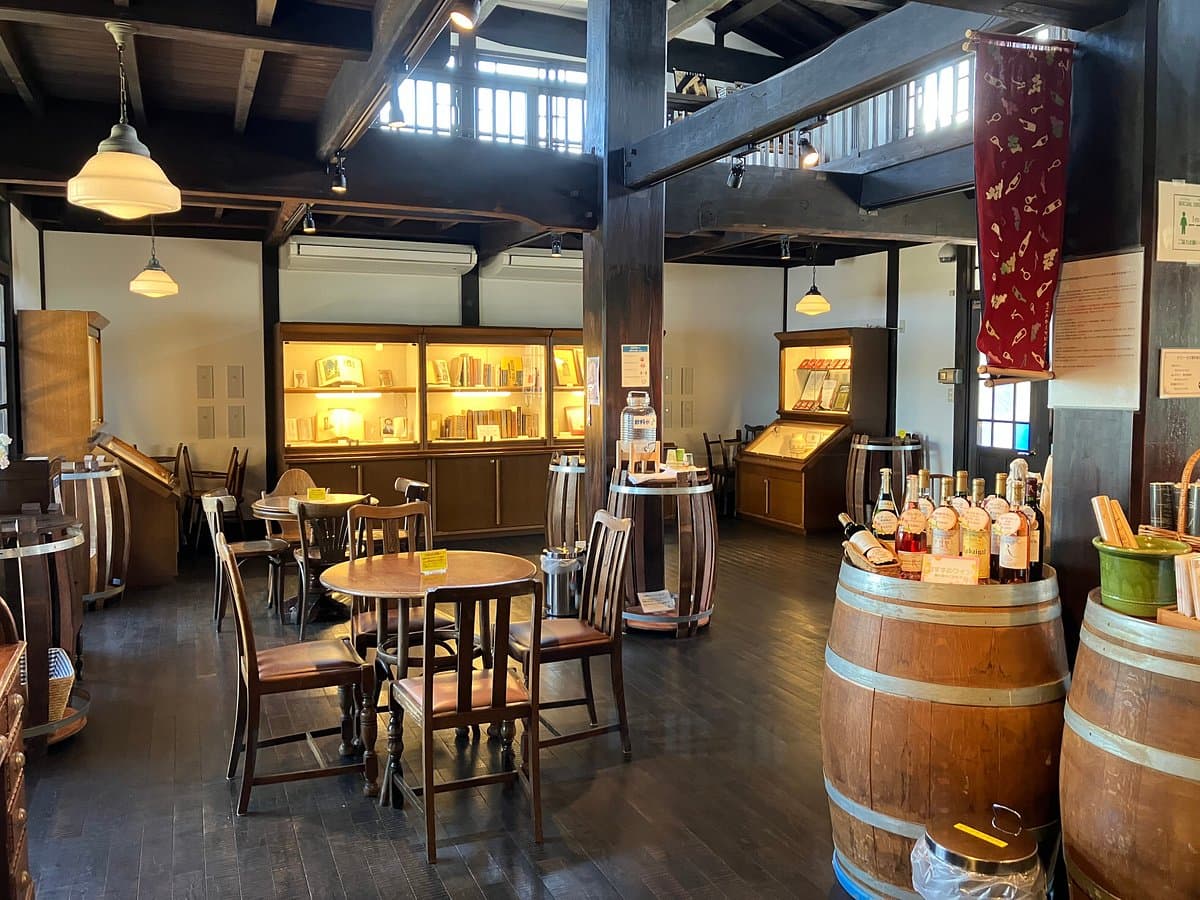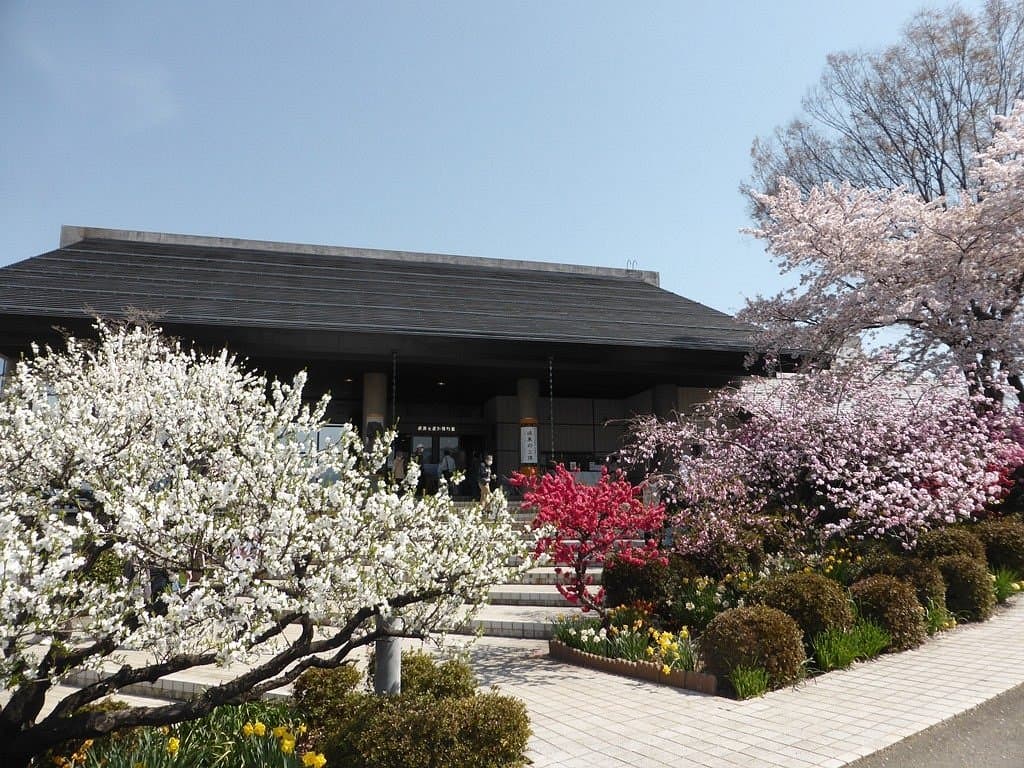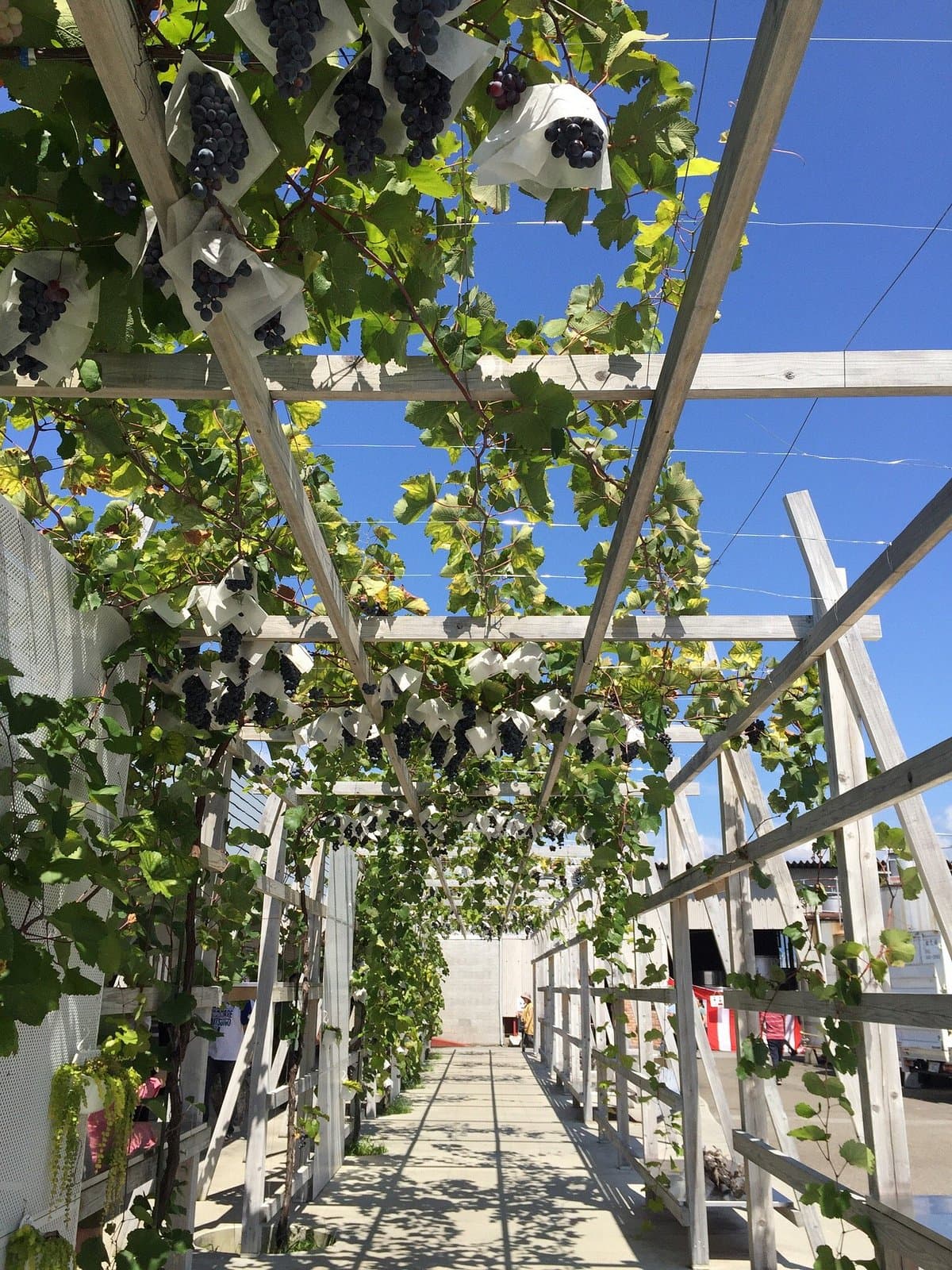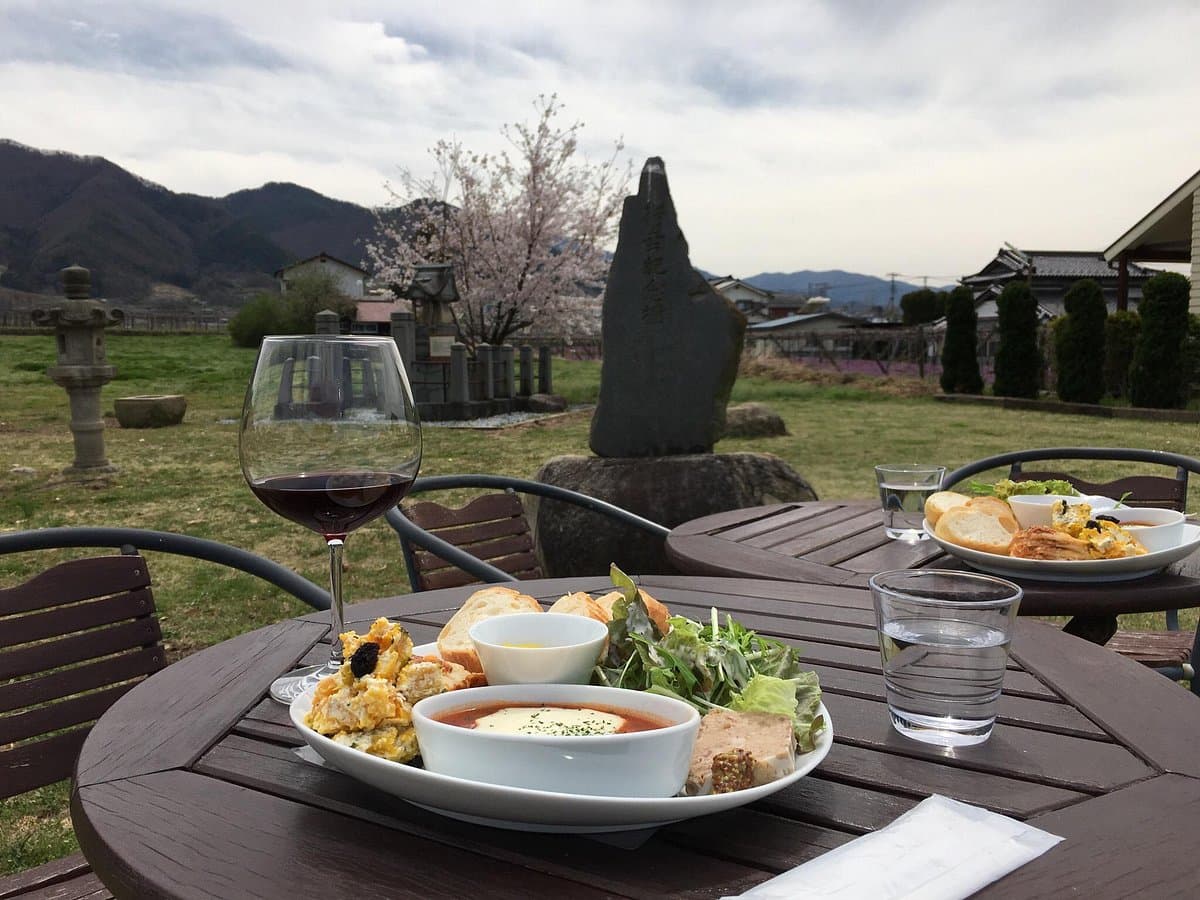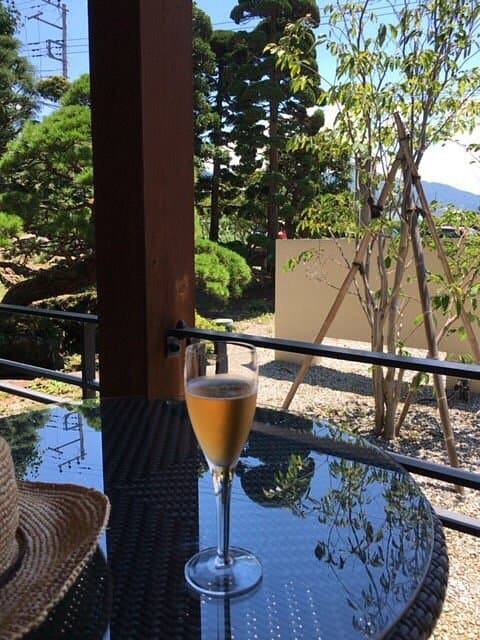
Lumiere Winery, located in Fuefuki, Yamanashi Prefecture, stands as a testament to over a century of Japanese winemaking tradition. It is particularly notable for its unique cultivation methods, such as the canopy system for grapevines, and its historic 'Ishigura' — a granite rock wine tank designated as a National Cultural Treasure. The winery offers a blend of traditional techniques and modern accolades, making it a significant stop for those interested in viticulture and local heritage.
Visitors consistently praise the quality and variety of wines available, with many highlighting the Koshu and Muscat Bailey varieties. Reviewers frequently mention the opportunity to taste and purchase award-winning wines, including sparkling options with pleasant bouquets. The unique 'Ishigura wine,' made using traditional methods for over a hundred years, is often cited as a must-try. The cellar door is described as classy, and the display of numerous awards impresses many guests, underscoring the winery's reputation.
For a fulfilling visit, allocate approximately 1-2 hours to allow for a tasting session and exploring the grounds. It's advisable to check the winery's website beforehand for tour availability and to get a glimpse of the 'Ishigura' tank. Bringing a reusable bag might be useful for carrying any purchased bottles. While specific advice on what to skip isn't prominent in reviews, focusing on the guided tour or tasting experience seems to be the most rewarding aspect.
Lumiere Winery is located at 624 Ichinomiyacho Minaminoro, Fuefuki, Yamanashi Prefecture. While public transport options are not explicitly detailed in reviews, the region is generally accessible by train to nearby stations, followed by a taxi or local bus. Driving might offer more flexibility for exploring the wider Yamanashi wine region. Parking is typically available on-site for visitors.
Common complaints are not widely reported, suggesting a generally positive visitor experience. However, as with any winery visit, those unfamiliar with Japanese wine varieties might benefit from asking questions during tastings to fully appreciate the unique characteristics of the local offerings.