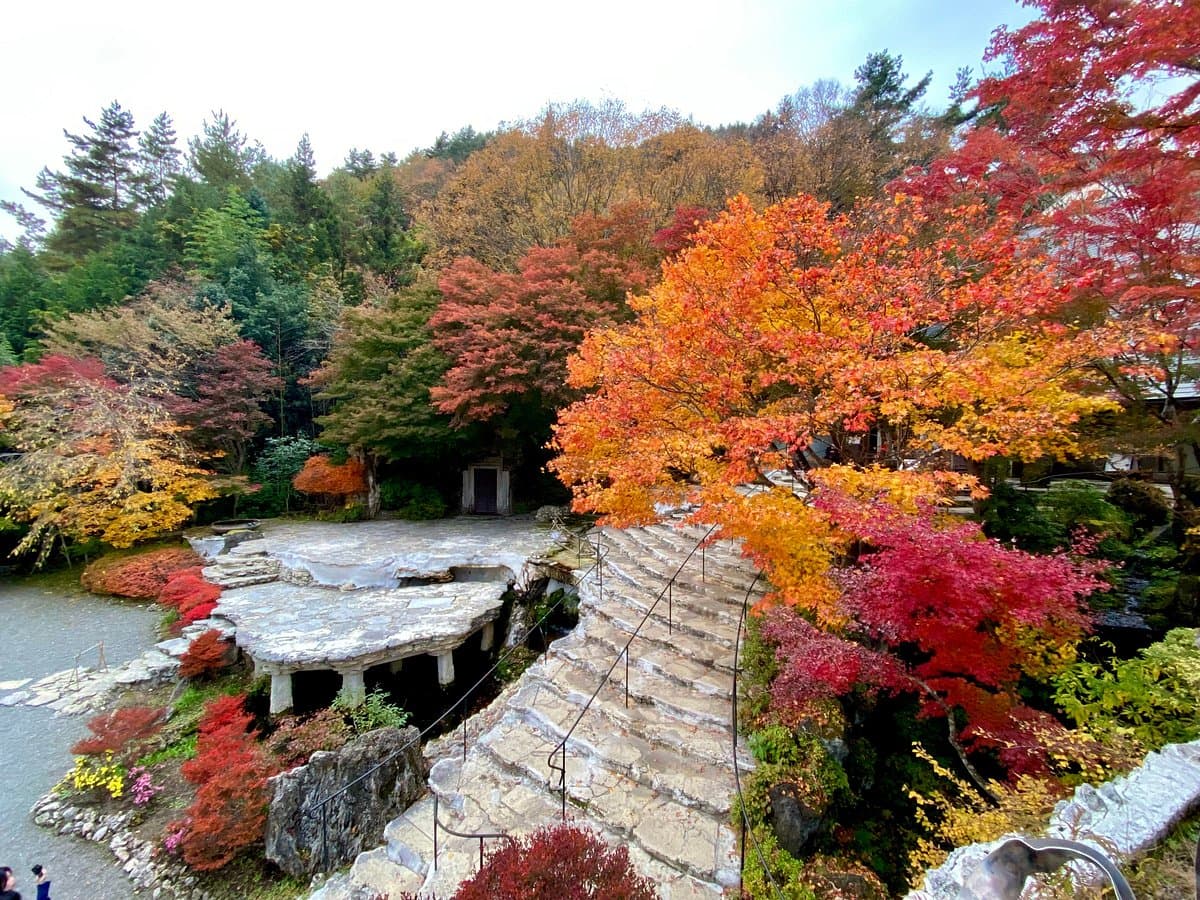
The Itchiku Kubota Art Museum is a unique institution dedicated to the life's work of Itchiku Kubota, an artist who single-handedly revived the lost art of Tsujigahana silk dyeing. His kimonos are not merely garments but intricate works of art, often forming larger panoramic scenes when displayed together. The museum itself, designed by Kubota, is an architectural marvel, blending traditional Japanese aesthetics with Gaudi-esque elements, and is set within beautifully landscaped gardens.
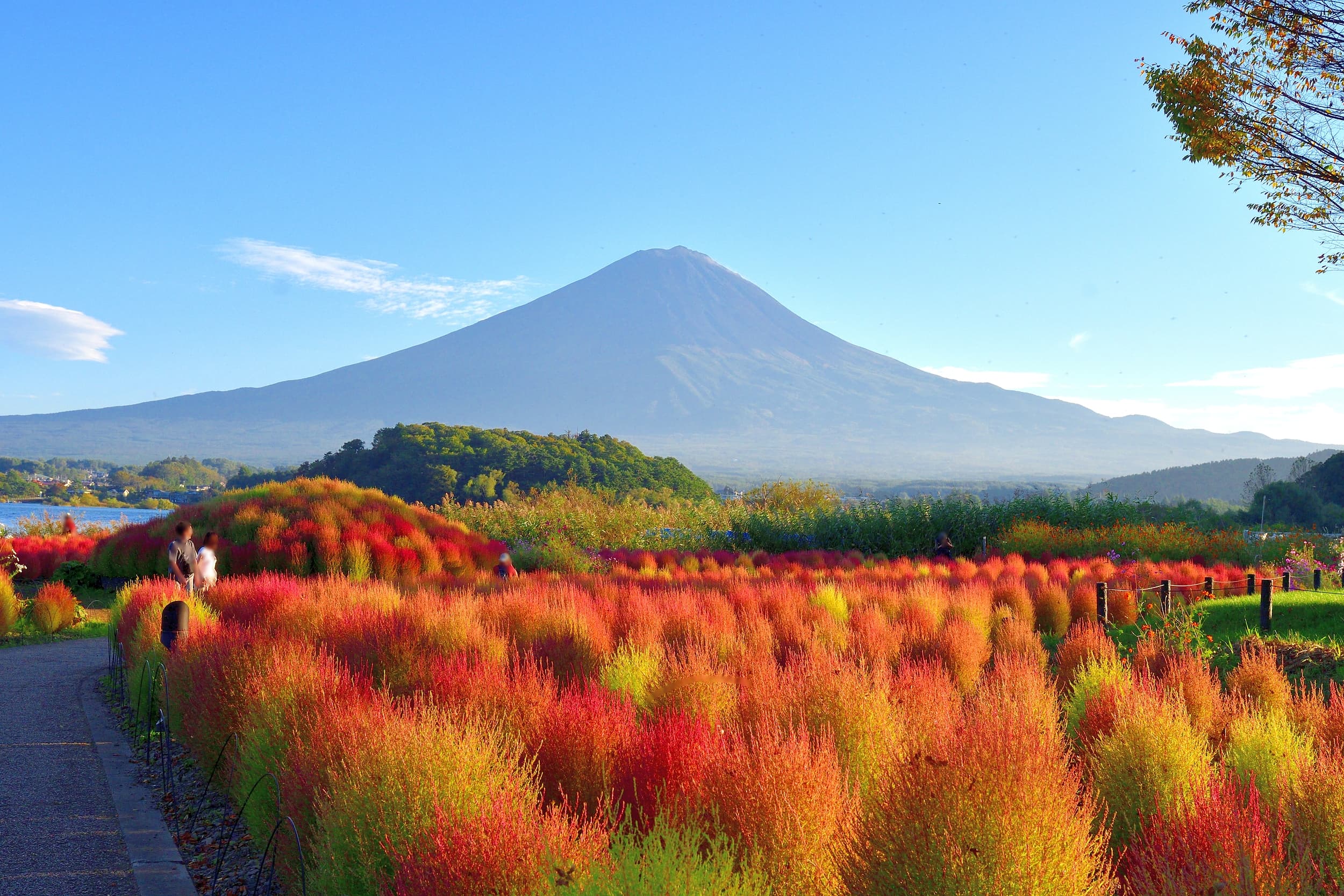
Visitors consistently praise the extraordinary beauty and craftsmanship of the kimonos, often describing them as 'stunning,' 'breathtaking,' and 'masterpieces.' Many are particularly impressed by the intricate details, vibrant colors, and the sheer dedication required to create each piece. The museum's serene atmosphere and the beauty of its gardens, complete with a pond and waterfall, are also frequently highlighted as significant draws. Reviewers often mention the opportunity to enjoy views of Mount Fuji from the grounds or the tearoom, adding to the overall experience.
To fully appreciate the artistry, it is highly recommended to watch the short English video shown in a separate area before entering the main exhibition hall. This video provides valuable context on Kubota's life, his artistic process, and the complex techniques involved in creating the kimonos. Visitors suggest allocating 1 to 2 hours for a visit, allowing enough time to explore both the exhibition and the gardens. While photography is not permitted inside the main hall, the gift shop offers unique souvenirs, and the cafe provides a pleasant spot for a break with garden views.
The museum is conveniently located near Lake Kawaguchiko and is easily accessible by public transport. Many visitors note that it is a stop on the Omni bus (Red Line), specifically stop 17. The bus ride from Kawaguchiko Station is straightforward. For those driving, there is parking available. The approach to the museum, through a distinctive stone gate and a small garden, is part of the experience itself.
A common complaint among visitors is the inability to take photos inside the main exhibition hall and the lack of postcards or books featuring the kimonos for sale. While this can be disappointing for those wishing to remember the intricate details, it encourages visitors to fully immerse themselves in the present moment and appreciate the art firsthand. The entry fee, while considered a bit steep by some, is generally deemed worthwhile for the quality of the experience.