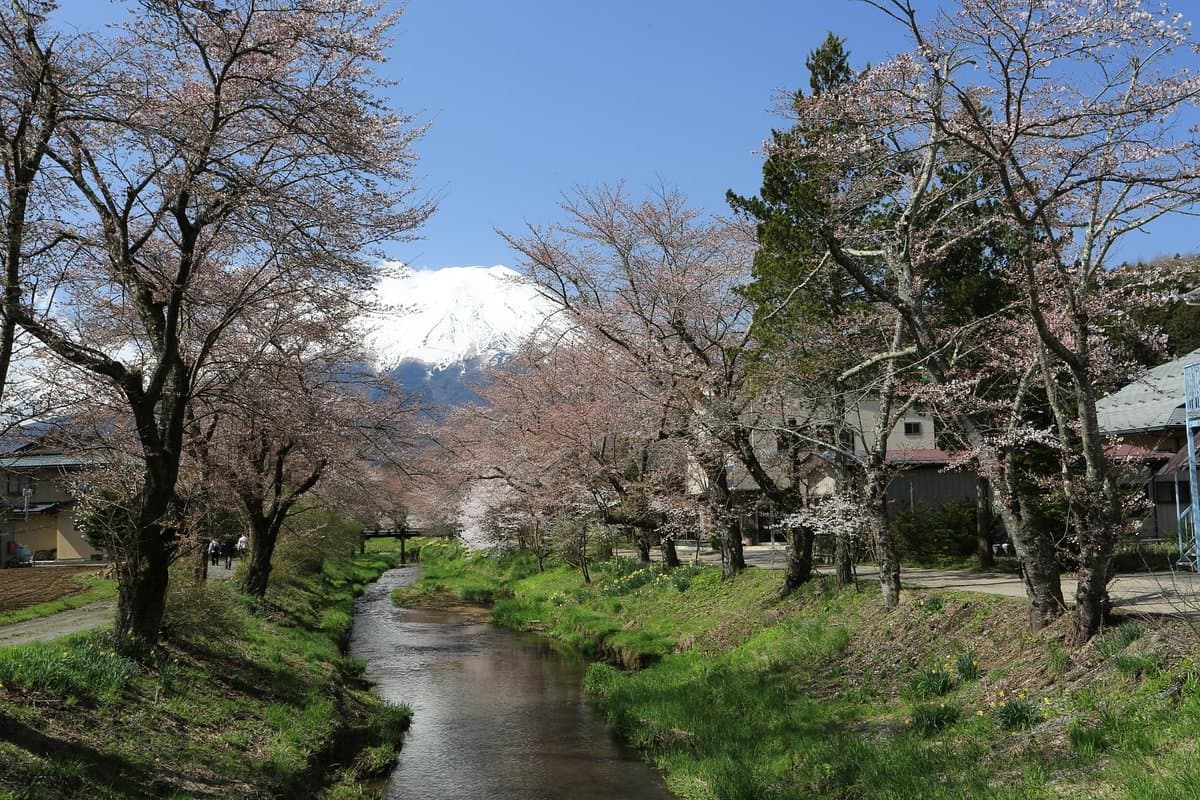
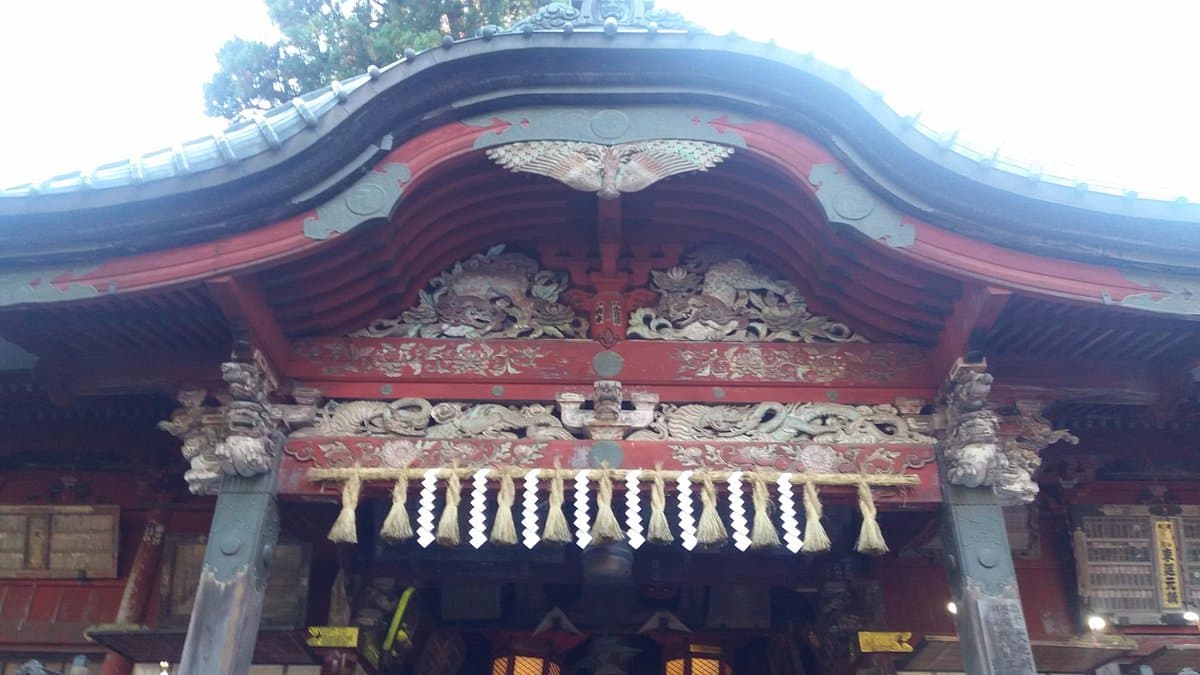
Fuji Asoyama Daijingu is a Shinto shrine in Fujiyoshida, distinguished by its unique spiritual focus on a 'Parent God' believed to be the origin of all souls, particularly those of the Japanese people. While not a major tourist landmark, it holds deep significance for those interested in specific, esoteric aspects of Shintoism and offers a contemplative experience away from typical crowds.
Visitors consistently praise the shrine for its profound sense of peace and tranquility. Many describe it as a 'power spot' where they feel a strong spiritual energy, making it appealing for those seeking introspection or a connection to ancient beliefs. The atmosphere is often highlighted as a welcome respite, providing a quiet space for reflection. However, some visitors note that without a deep understanding of its specific spiritual context, the shrine might appear unassuming or less impactful than larger, more visually striking temples.
To make the most of a visit, it is recommended to approach the shrine with an open mind and a willingness to engage with its spiritual essence. There are no extensive facilities or grand architectural displays, so the experience is primarily internal. A visit of 30-60 minutes is usually sufficient to explore the grounds and absorb the atmosphere. It is best visited during daylight hours for optimal light and a sense of security, especially given its somewhat secluded location. Bringing a bottle of water and comfortable walking shoes is advisable, as the area is quiet and amenities are limited.
The shrine is located at 3537 Oasumi, Fujiyoshida. Given its somewhat remote location, public transport options might be limited. Reviewers do not explicitly mention specific bus lines or train stations, suggesting that driving or taking a taxi might be the most convenient way to reach it. If driving, ensure you have GPS or a detailed map, as it is situated in a less urbanized area. Parking availability is not widely discussed in reviews, implying it might be informal or limited.
A common complaint, or rather an observation, is the lack of English information or interpretive signs, which can make it challenging for international visitors to fully grasp the shrine's unique spiritual narrative. To mitigate this, it is highly recommended to research the shrine's specific beliefs and history beforehand. Understanding its context will significantly enhance the appreciation of this quiet, spiritually focused site.