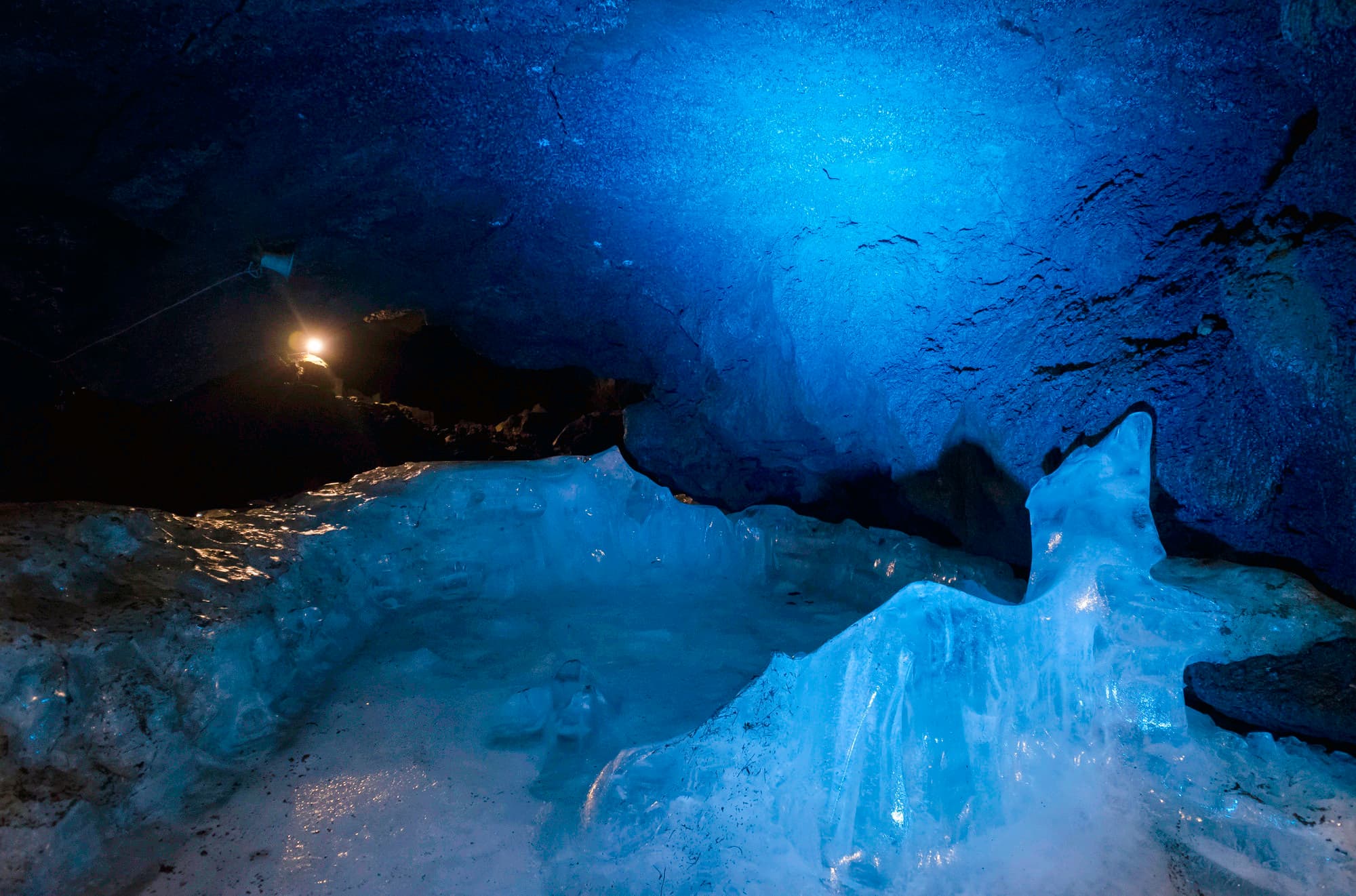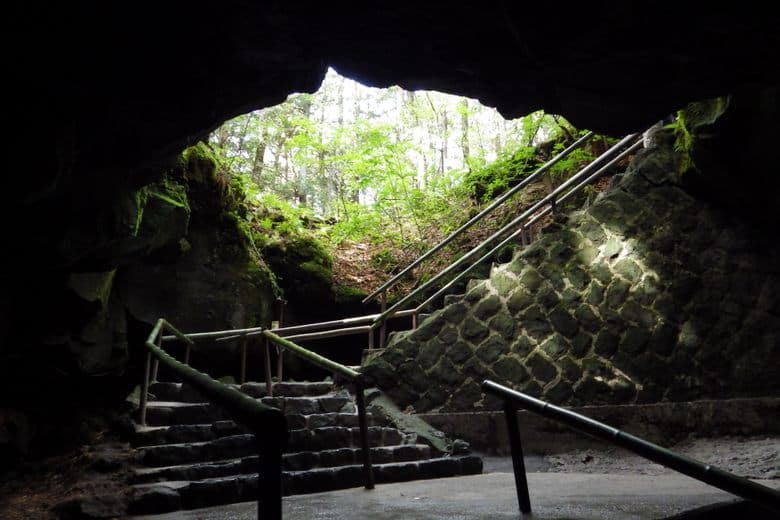
The Fugaku Wind Cave is a remarkable natural wonder, a lava tube formed during an eruption of Mount Fuji in 864 AD. Located within the Aokigahara forest, it offers a unique glimpse into the geological history of the region. Designated a Natural Monument of Japan in 1929, the cave is notable for its basalt walls that absorb sound, creating an unusually quiet environment, and its consistently cool temperatures, even in summer.
Visitors consistently praise the cave for its refreshing coolness, making it a popular escape during warmer months. Many appreciate the well-maintained pathways and lighting, which make the exploration accessible and safe. The unique geological formations, including a former lava pond and various moss colonies, are frequently highlighted as points of interest. Reviewers often recommend combining a visit to the Wind Cave with the nearby Narusawa Ice Cave for a more comprehensive experience, noting the distinct characteristics of each.
To make the most of your visit, wear comfortable shoes suitable for walking on uneven, sometimes damp surfaces. While the cave is well-lit, some visitors suggest bringing a light jacket or sweater, as the temperature inside remains around 3°C (37°F) year-round. The visit typically takes about 30-45 minutes, allowing ample time to explore without feeling rushed. Consider visiting during off-peak hours, such as early mornings or late afternoons, to avoid crowds, especially during peak tourist seasons. There are vending machines and a small gift shop near the entrance.
The Fugaku Wind Cave is accessible by public transport. From Kawaguchiko Station, take the Saiko Sightseeing Bus (Green Line) and alight at the 'Fugaku Fuketsu' (Fugaku Wind Cave) stop. The bus journey takes approximately 30-40 minutes. If driving, there is a parking lot available on-site. The Narusawa Ice Cave is about a 20-minute walk or a short bus ride away, and the Lake Sai Bat Cave is also reachable by bus or a longer walk.
A common complaint among some visitors is the relatively short length of the accessible cave section, which can lead to a feeling that the entrance fee is disproportionate to the experience. To mitigate this, consider purchasing a combined ticket for both the Wind Cave and the Ice Cave, which offers better value and a more extended exploration. Additionally, be aware that the cave can feel a bit claustrophobic for some due to its narrow passages and low ceilings in certain sections.