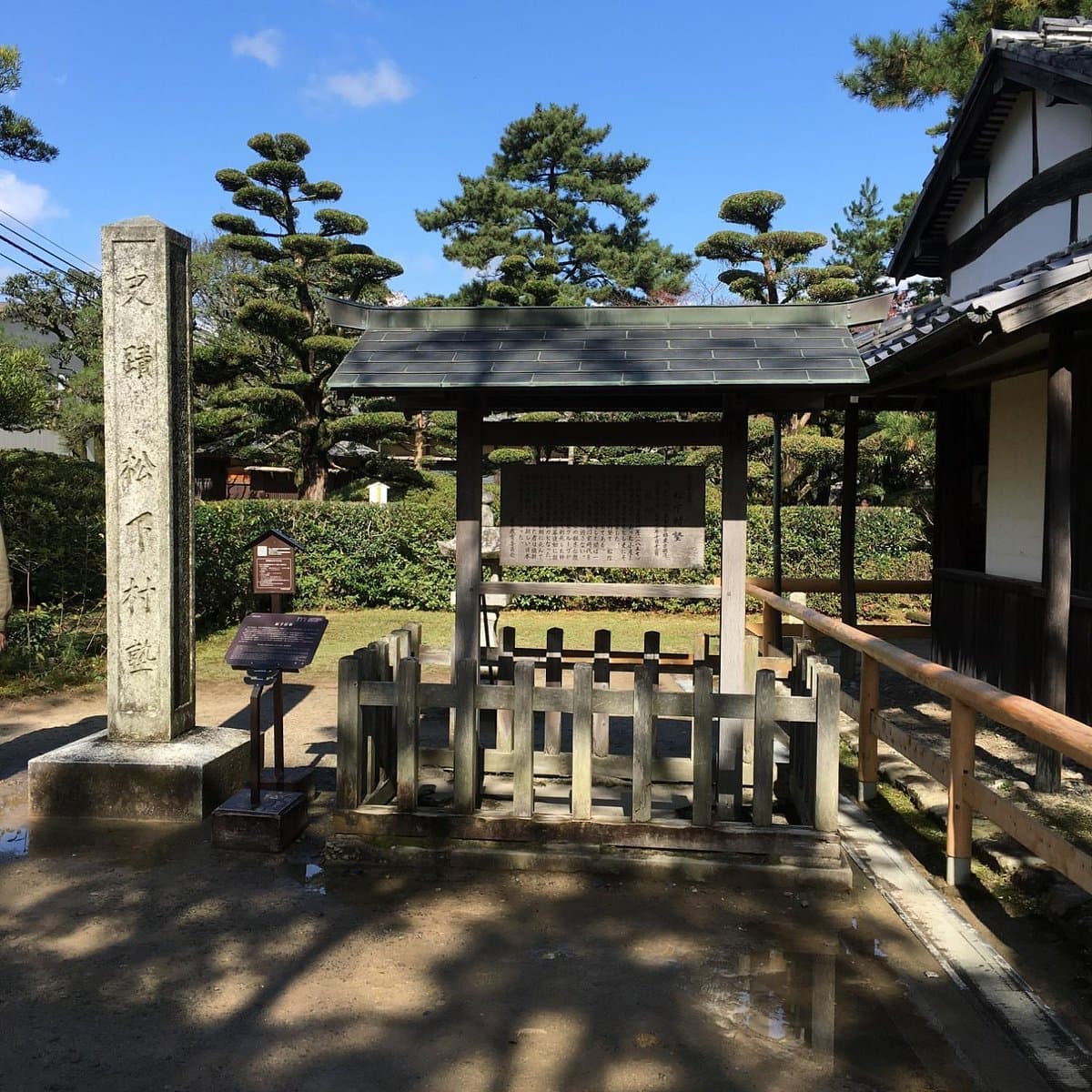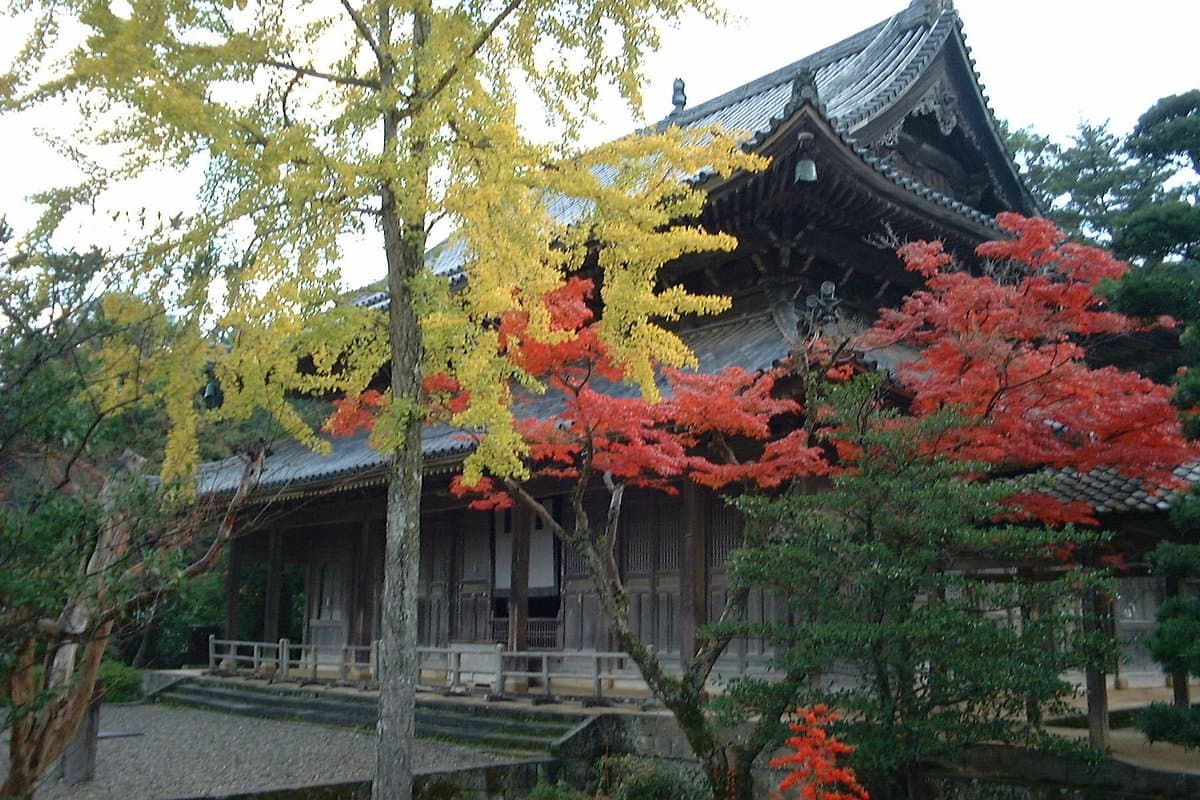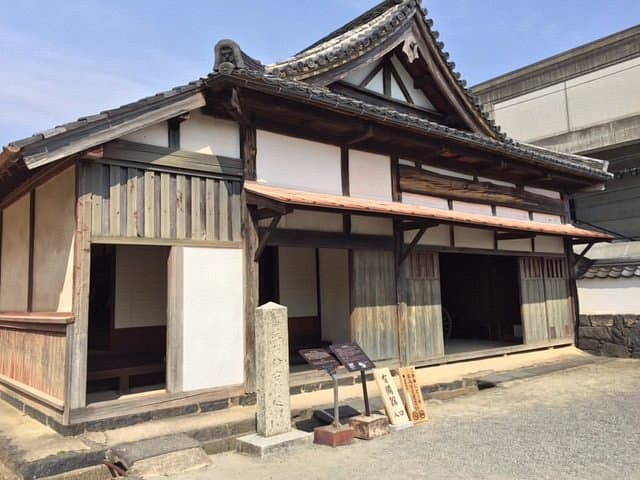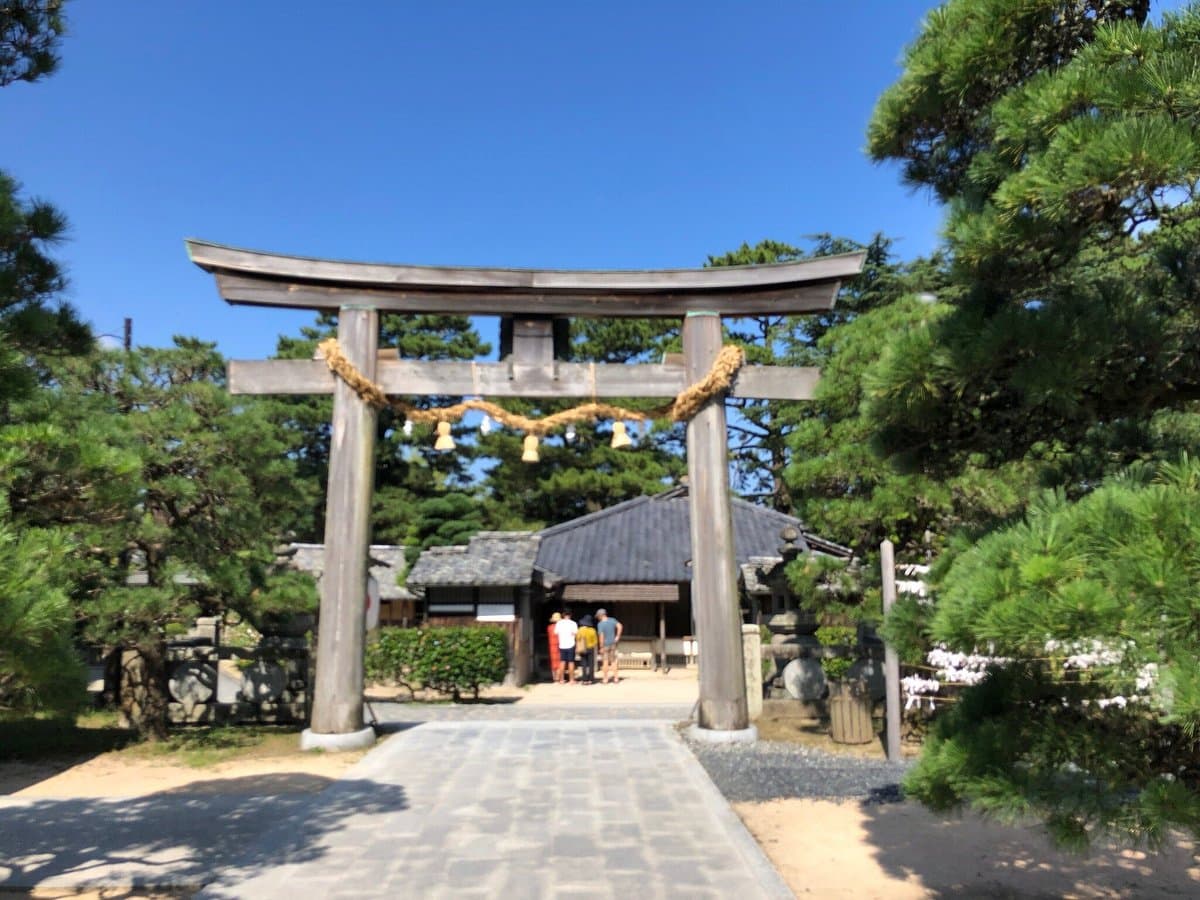
Shoin Shrine is a significant historical site in Hagi, dedicated to Yoshida Shoin, an influential intellectual and educator who played a crucial role in the events leading up to the Meiji Restoration. The complex includes the shrine itself, the Shokasonjuku academy where Shoin taught, and his former residence, offering a comprehensive look into the life and teachings of this pivotal figure.
Visitors consistently praise the well-maintained grounds and the educational value of the site, especially for those with an interest in Japanese history. Many find the experience visual and experiential, highlighting the opportunity to learn about the philosophy of the great thinkers of the time. While the shrine building itself may not always be the main draw, the surrounding historical structures like the Shokasonjuku schoolhouse and Shoin's former home are frequently mentioned as being particularly impressive and informative.
To make the most of your visit, allocate about 1-2 hours to explore the entire complex. Several reviewers suggest that visiting after 6 PM can lead to fewer crowds and easier parking. The site is free to enter, which is a definite plus. It's advisable to wear comfortable shoes as you'll be walking around the grounds. Consider renting a bicycle to easily combine a visit here with other nearby attractions like Tokoji Temple and Toukou-Shrine, which are within a short distance.
The shrine is located at 1537 Chinto, Hagi. While specific public transport details are not frequently mentioned in reviews, the proximity to other historical sites in Hagi suggests it's accessible within the city's tourist routes. Reviewers note that it's about 800m from Tokoji Temple, making it a walkable option if you're already in that area. Free parking is available, and some visitors mention that it's less crowded in the evenings.
One common complaint, though not universal, is that some visitors find the shrine's historical context, particularly Yoshida Shoin's controversial role in certain historical events, to be a point of contention. However, for those interested in understanding the complexities of the Edo period and the reformers, the site offers a valuable perspective. Focusing on the educational aspects and the well-preserved historical buildings can mitigate any potential discomfort.