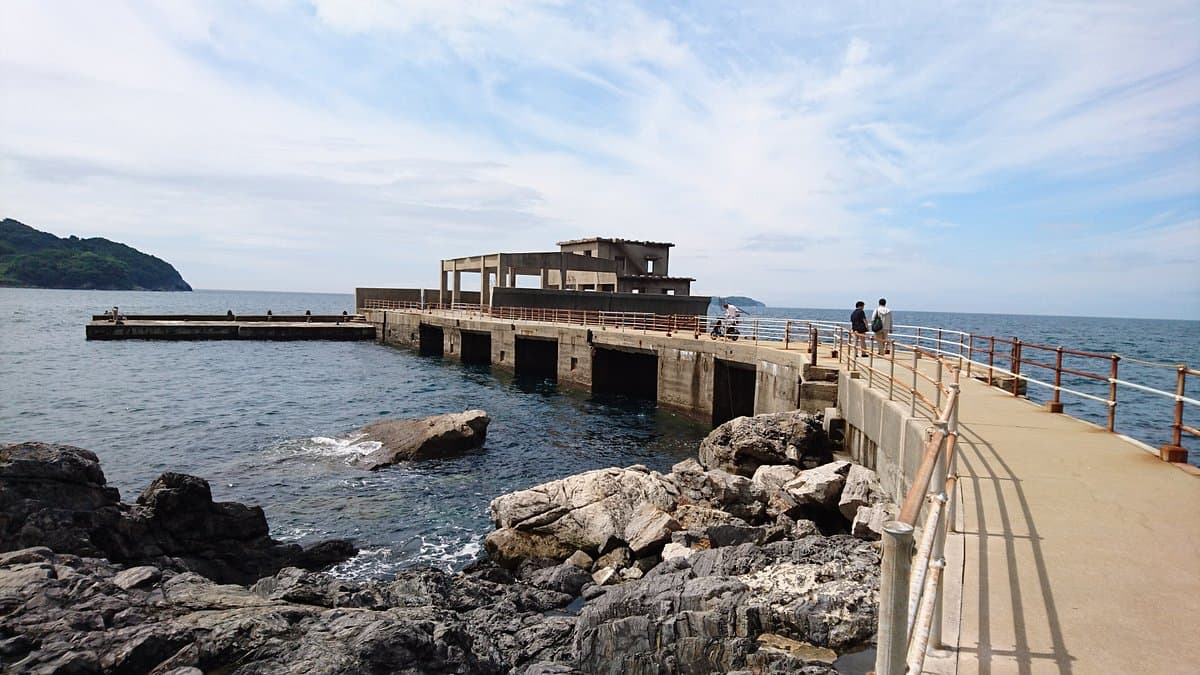
The Kaiten Museum, located on Ohzushima Island, serves as a solemn memorial and educational center dedicated to the young Japanese soldiers who volunteered for 'Kaiten' human torpedo missions during the final stages of World War II. It is a place of profound historical significance, preserving the stories, letters, and artifacts of these individuals, many of whom were under 25 years old. The museum aims to provide a nuanced understanding of this controversial aspect of wartime history, moving beyond simple demonization to explore the human element and the circumstances that led to such extreme measures.
Visitors consistently highlight the museum's ability to evoke strong emotions and encourage reflection on humanity and peace. Many describe it as a 'must-see' for anyone interested in understanding the complexities of war, noting that the personal items, wills, and letters from the pilots are particularly impactful. The preserved training tunnel and a model of the Kaiten torpedo outside the museum also contribute to a powerful and immersive experience. Reviewers often mention feeling a deep sense of sadness and a desire to learn more about this period after their visit, emphasizing its educational value, especially for younger generations.
To make the most of your visit, plan for approximately 2-3 hours at the museum itself, plus travel time. It's advisable to bring snacks and drinks, as food options around the museum are limited, with only a small shop near Umashima port. Reviewers suggest buying provisions near Tokuyama Port before departing. Be prepared for a 10-minute uphill walk from the ferry port to the museum. If visiting on a windy or rainy day, be cautious with umbrellas, as strong winds are common, particularly near the Kaiten tunnel. The museum is often less crowded, allowing for a contemplative experience.
Reaching the Kaiten Museum requires a ferry trip to Ohzushima Island. From Tokuyama Shinkansen Station, the ferry terminal is about a 5-minute walk. Ferries depart from Tokuyama Port, with the journey to Ohzushima taking approximately 30-45 minutes. The cost is around 710 Yen each way. When you arrive at Ohzushima, ensure you stay on the ferry until the correct stop for the museum. Reviewers recommend purchasing ferry tickets from the vending machine inside the terminal. Public transport is the primary way to access the island, and driving is not practical for tourists.
A common point mentioned by visitors is the emotional intensity of the exhibits. While not a complaint, some find the experience deeply saddening. To mitigate this, approach the museum with an open mind, ready to engage with a difficult but important historical narrative. The museum's video explanation is primarily in Japanese, which might be a minor drawback for non-Japanese speakers, though the artifacts and written explanations (often with English translations) still convey the message effectively.