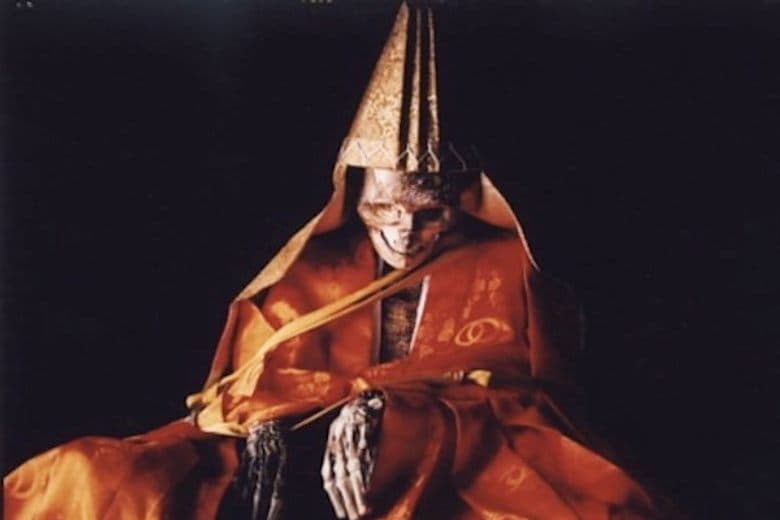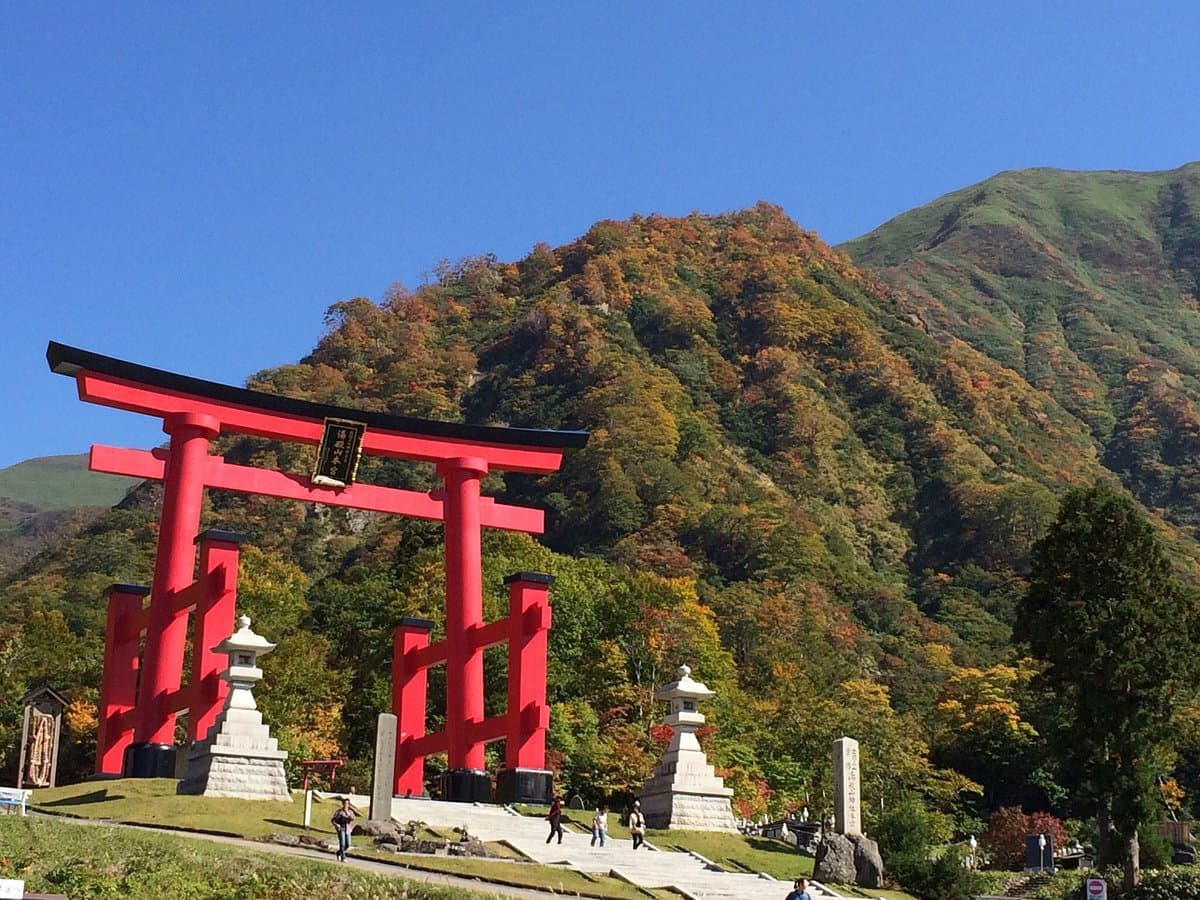
Yudonosan Shrine is one of the three sacred mountains of Dewa Sanzan, representing the 'future' and rebirth. Unlike typical shrines, it features a sacred hot spring rock rather than a main hall, and visitors are required to remove their shoes and socks to walk directly on the sacred ground. This unique ritual, combined with strict prohibitions on photography and discussing what happens inside, makes it a profoundly personal and mysterious spiritual experience.
Visitors consistently praise the shrine for its unique spiritual atmosphere and the sense of rebirth it offers. Many find the cleansing ceremony and the walk on the sacred rock to be a memorable and moving experience. The journey to the shrine, often involving scenic drives or hikes, is also frequently highlighted as part of the overall appeal. However, some reviewers note that the strict rules, particularly the prohibition on photography even from the outside, can be a bit off-putting, and the commercial aspect of the cleansing ceremony is occasionally mentioned.
To make the most of your visit, allocate at least 1-2 hours, especially if you participate in the cleansing ceremony. The best time to visit is during the warmer months when the shrine is fully accessible, as it closes during winter. Wear comfortable shoes for the approach, but be prepared to remove them, along with your socks, before entering the sacred area. Bringing a small bag to carry your footwear is advisable. While the cleansing ceremony is mandatory for entry, many find it to be an integral part of the experience. It's also wise to bring some cash, as the entry fee for the ceremony is typically 500 yen.
Getting to Yudonosan Shrine primarily requires a car or a rental car, as it's not easily accessible by local public buses from Tsuruoka City, unlike Hagurosan. Visitors typically drive to the Senninzawa parking lot, from where a shuttle bus or a walk leads to the shrine entrance. For those undertaking the full Dewa Sanzan pilgrimage, the trek from Gassan to Yudonosan is a challenging but rewarding option. Be aware that the shrine is located in a mountainous area, and roads can be winding.
A common complaint revolves around the strictness of the shrine guards regarding photography and the rules of silence. To mitigate this, simply respect the rules; understand that the sanctity of the site is paramount. While some find the cleansing ceremony to be 'touristy,' it is a mandatory part of the experience. Embrace it as a unique cultural immersion rather than a mere transaction.