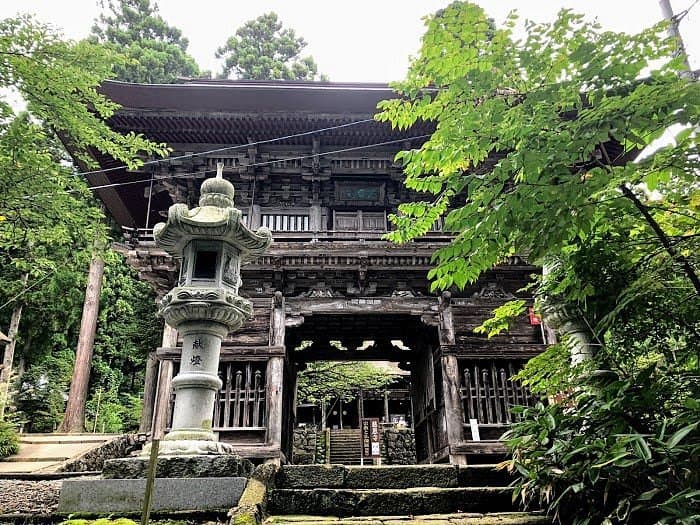
Jionji Temple is a historic Buddhist temple complex in Sagae, Yamagata Prefecture, with roots stretching back over a thousand years. It is recognized for its significant collection of artifacts and its role in preserving ancient Japanese Buddhist traditions and architecture. The temple complex is not just a single building but a collection of structures that tell a long and rich story of faith and culture.
Visitors consistently praise the historical context provided by the museum at the bottom of the hill. Reviewers suggest starting your visit there to gain a comprehensive understanding of the mountain complex before exploring the temples themselves. The museum offers artifacts, explanations in multiple languages (English, Korean, Chinese), and a video presentation, which greatly enhances the experience of the main temple and its surrounding structures.
To make the most of your visit, allocate at least 2-3 hours, including time for the museum. It's advisable to visit during daylight hours to fully appreciate the architecture and surroundings. There are no specific warnings about what to skip, but focusing on the museum first is a recurring recommendation. Bringing comfortable shoes is always a good idea when exploring temple grounds, which often involve walking and stairs.
Jionji Temple is located at 31 Jionji, Sagae, Yamagata Prefecture. While specific public transport details are not extensively mentioned in reviews, visitors typically reach such sites by local bus services or private car. If driving, look for available parking near the museum or temple entrance. It's always a good idea to check local bus schedules or taxi availability if relying on public transport in more rural areas of Japan.
Common complaints are not explicitly detailed in the available reviews, but a general challenge for historical sites in less-traveled areas can be limited English signage outside of dedicated museum spaces. However, the museum at Jionji appears to mitigate this with its multilingual explanations.