The Wakayama Prefectural Museum of Natural History serves as a key institution for understanding the rich biodiversity and geological history of the Wakayama region, with a particular focus on its marine ecosystems. It houses a diverse collection of specimens, including a notable array of fish, marine mammals, and paleontological exhibits, providing educational insights into the natural world.
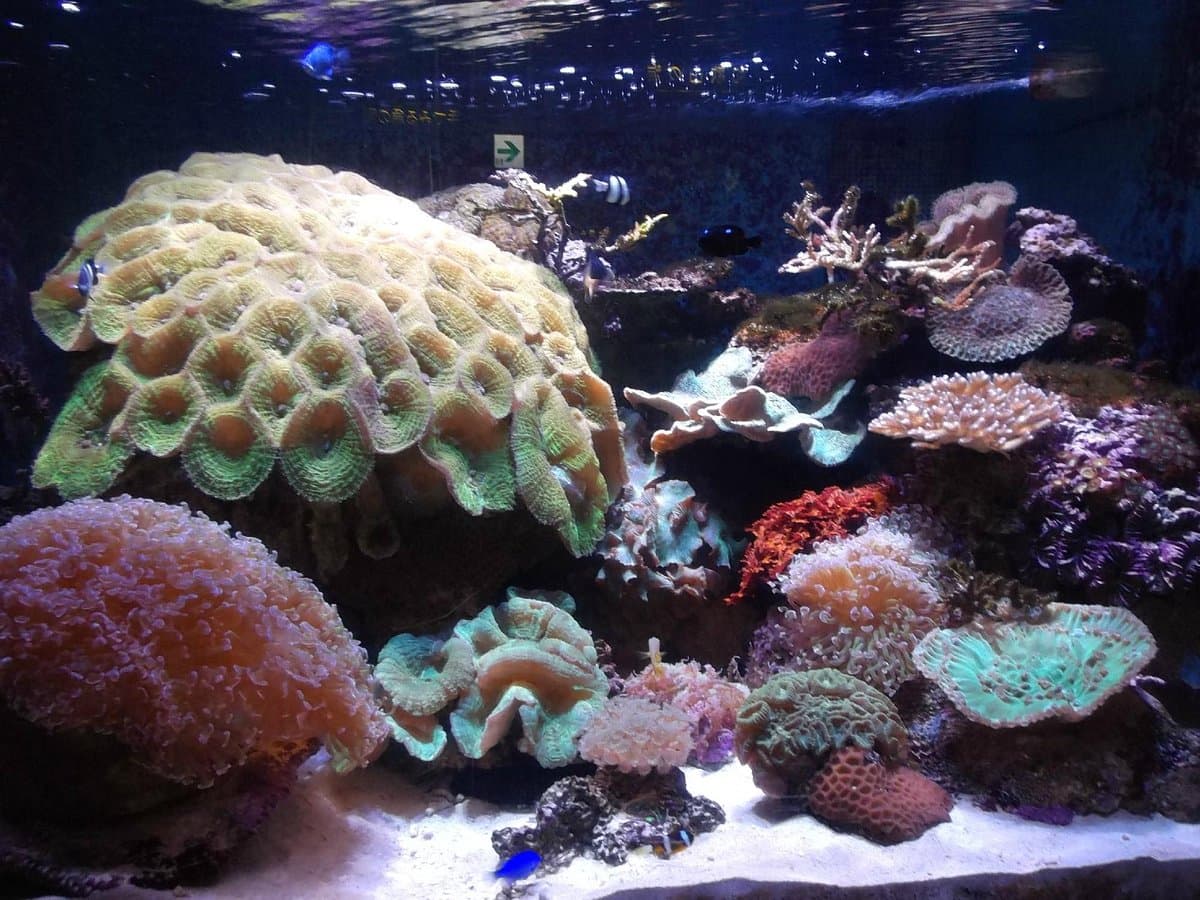
Visitors consistently praise the museum's well-maintained aquariums and the impressive collection of fish, which many describe as both educational and entertaining for all ages. The dinosaur skeletons are another frequently mentioned highlight, captivating younger visitors. Reviewers often note the museum's quiet and uncrowded atmosphere, which allows for a more relaxed and immersive experience compared to larger, busier attractions. The interactive exhibits are also appreciated, making learning about natural history more engaging for children.
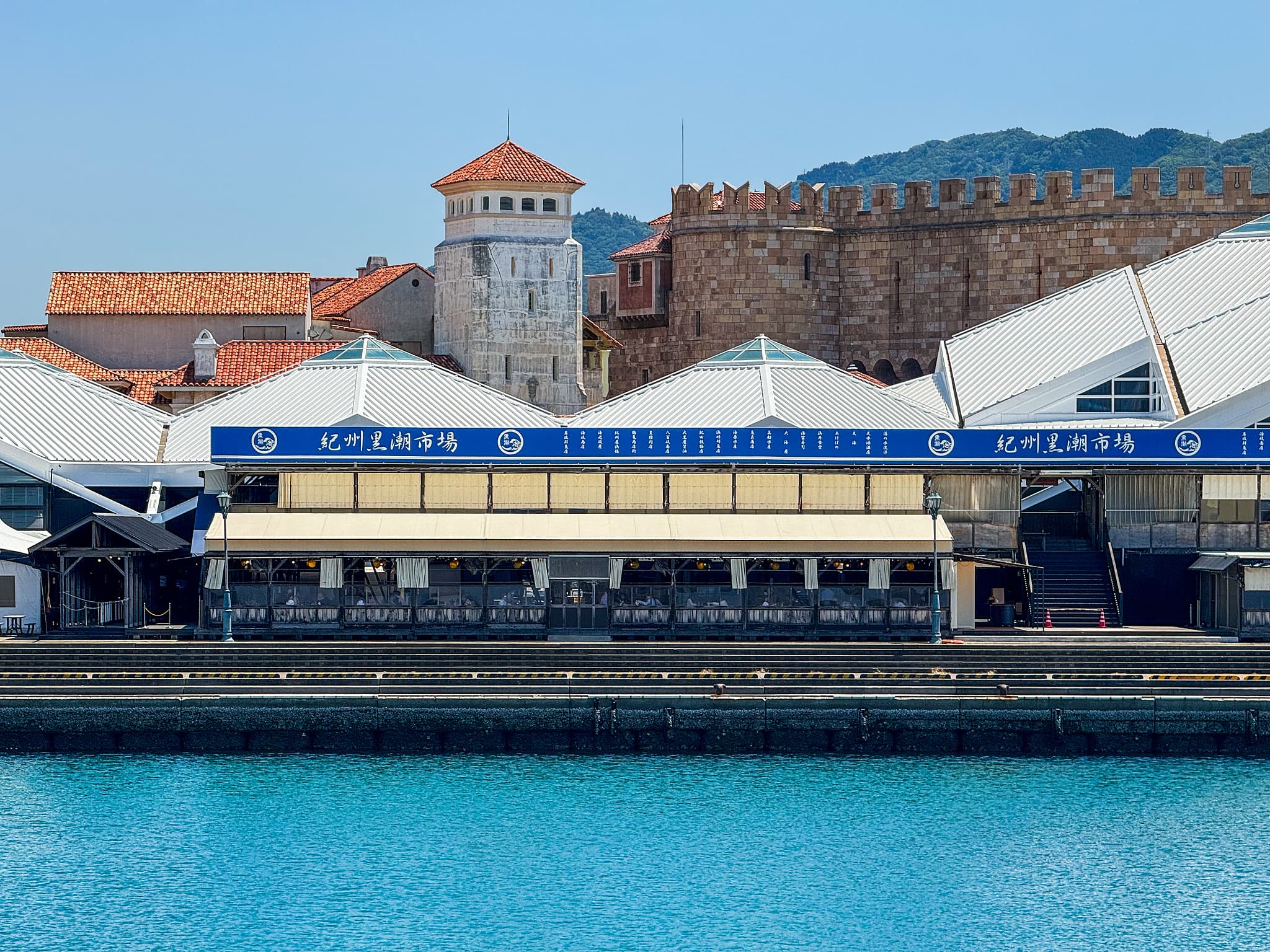
To make the most of your visit, allocate approximately 2-3 hours, especially if you plan to explore all the exhibits thoroughly or are with children who enjoy interactive displays. Many visitors suggest combining a trip to the museum with a visit to the nearby Kuroshio Market for lunch or dinner, as it's a short drive away. Bringing a camera is recommended for capturing the impressive displays. The museum is particularly suitable for a rainy day activity or as a quiet escape from more bustling tourist spots.
The museum is located at 370-1, Funo, Kainan. While specific public transport details are not consistently mentioned in reviews, it is generally advisable to check local bus routes from Kainan Station or consider driving, as parking is usually available. For those relying on public transport, planning your route in advance using local transit apps or inquiring at your accommodation is recommended.
A common minor complaint is the relatively small size of the museum compared to some larger natural history museums, which can lead some visitors to feel they have seen everything quickly. To mitigate this, focus on the detailed information provided for each exhibit and take your time to appreciate the specific regional focus rather than expecting a vast, encyclopedic collection.