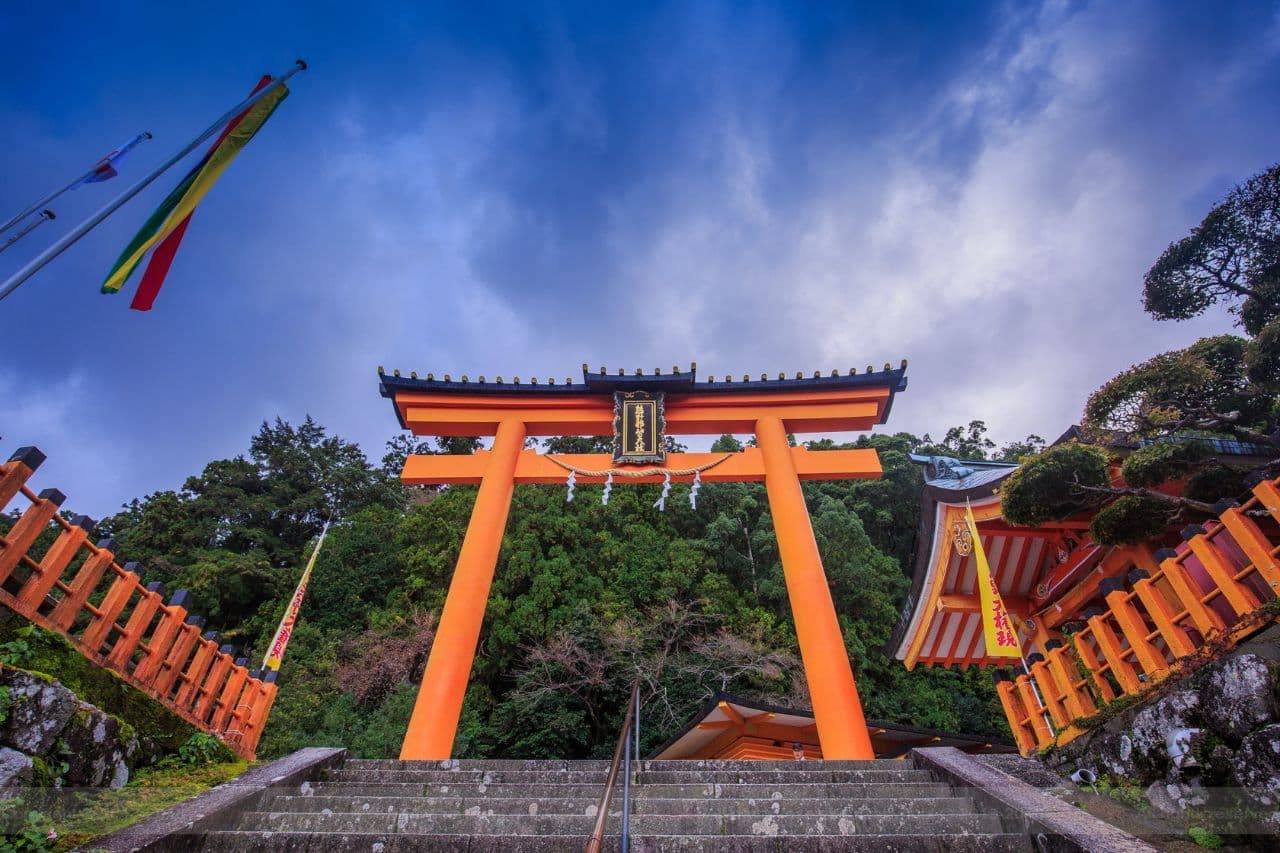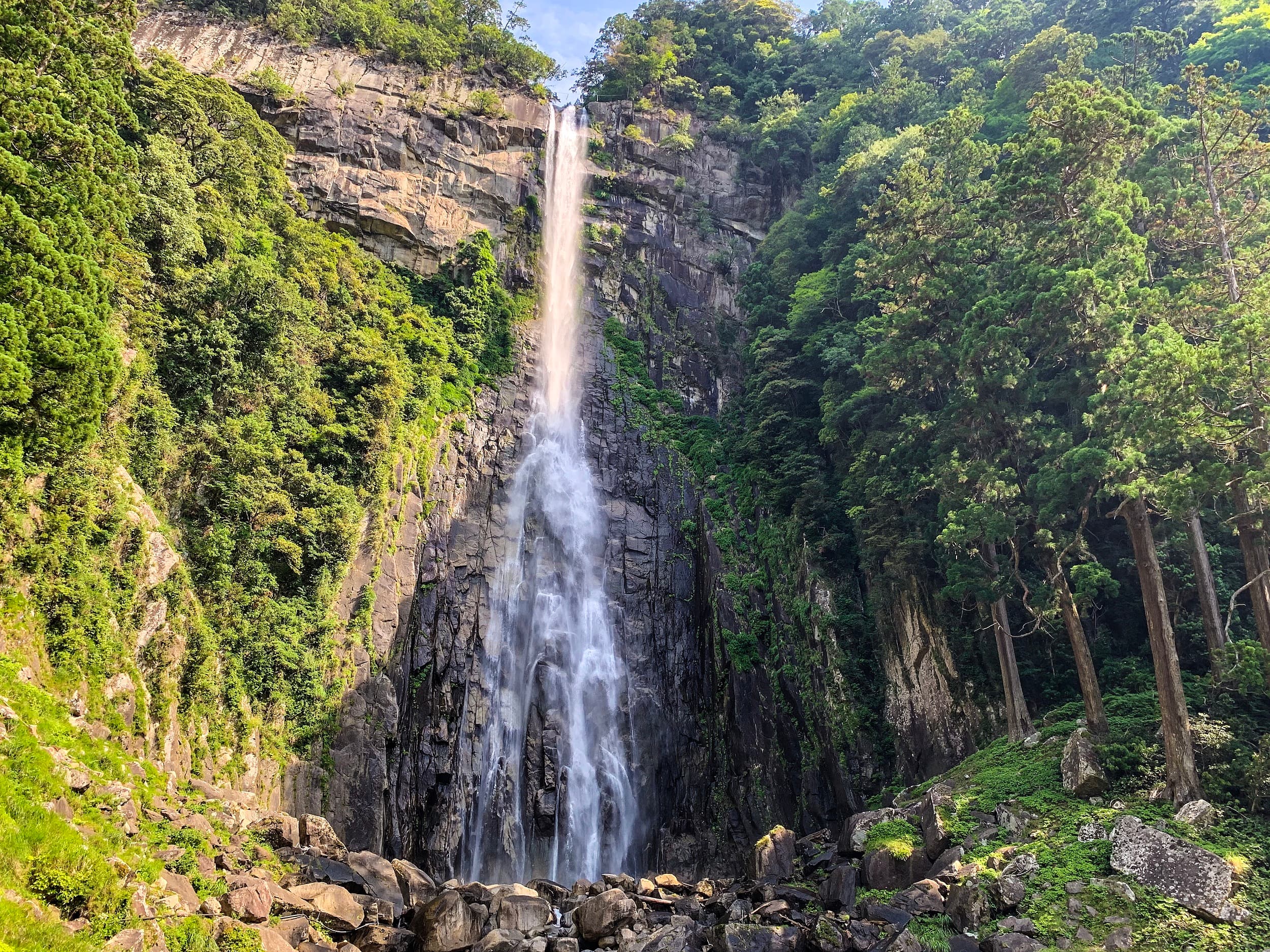
Kumano Nachi Taisha is one of the three Grand Shrines of Kumano Sanzan, a UNESCO World Heritage site and a pivotal point on the ancient Kumano Kodo pilgrimage routes. It stands out for its unique syncretic blend of Shinto and Buddhist traditions, with the Nachi Falls revered as a deity. The complex offers a profound spiritual experience amidst stunning natural beauty, making it a significant cultural and historical landmark in Japan.
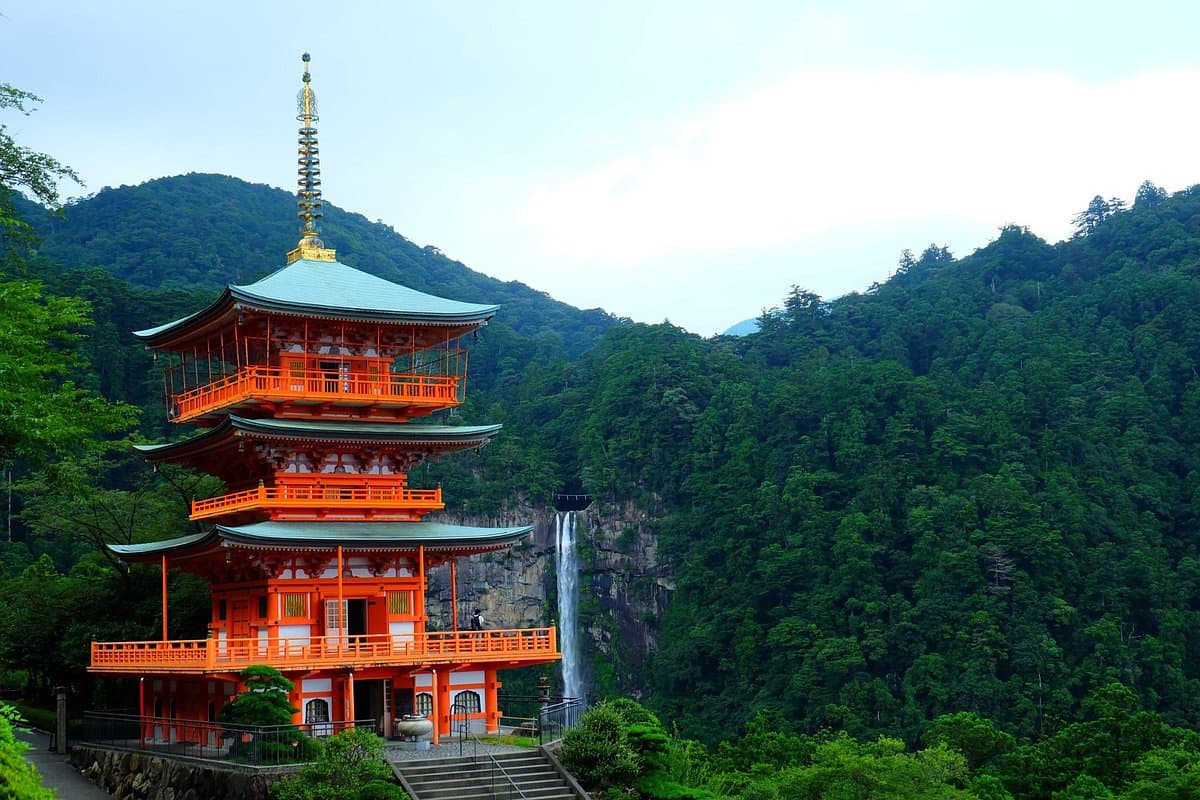
Visitors consistently highlight the spectacular views, particularly the iconic image of the three-storied vermilion pagoda set against the backdrop of the Nachi Falls. Many describe the atmosphere as deeply spiritual and serene, even with crowds. The vibrant colors of the shrine buildings are frequently praised, and the opportunity to witness the blending of Shinto and Buddhist practices in one location is a recurring theme. The journey itself, often involving a walk up the historic Daimonzaka trail, is considered part of the experience, offering a sense of accomplishment and immersion in nature.
To fully appreciate the site, allocate at least 2-3 hours, though many recommend longer to explore thoroughly. Comfortable walking shoes are essential, as there are numerous stone steps, including the 467 steps from the main parking area or the even longer ascent from Daimonzaka. Reviewers suggest arriving early in the morning to avoid tour groups and experience a more tranquil atmosphere. While some parts of the complex may be undergoing renovation, visitors note that it's still worth seeing, with alternative paths often available. Don't miss the opportunity to feed the koi fish in the pond or experience the 'womb passage' through the camphor tree.
Getting to Kumano Nachi Taisha requires some planning due to its remote location. Many visitors take a bus from Kii-Katsuura Station, which offers both direct routes to the top and options to alight at Daimonzaka for the scenic walk up. The bus journey from Kii-Katsuura typically takes around 25-30 minutes. For those driving, free parking is available, though paid parking near the top can be convenient, especially during peak seasons. The drive from Osaka can take 4-5 hours, making it a full-day trip or an overnight stay in the region advisable. Some reviewers mention taking a bus from Yunomine Onsen, which involves a transfer.
A common complaint revolves around the extensive number of stairs, which can be challenging for some. However, reviewers offer solutions: buses can take you closer to the top, minimizing the climb. Another point of concern is the occasional scaffolding due to renovations; while this can obscure views, visitors generally find the site still impressive and accessible. Some visitors also mention the area can get crowded with tour groups, reinforcing the advice to visit early.