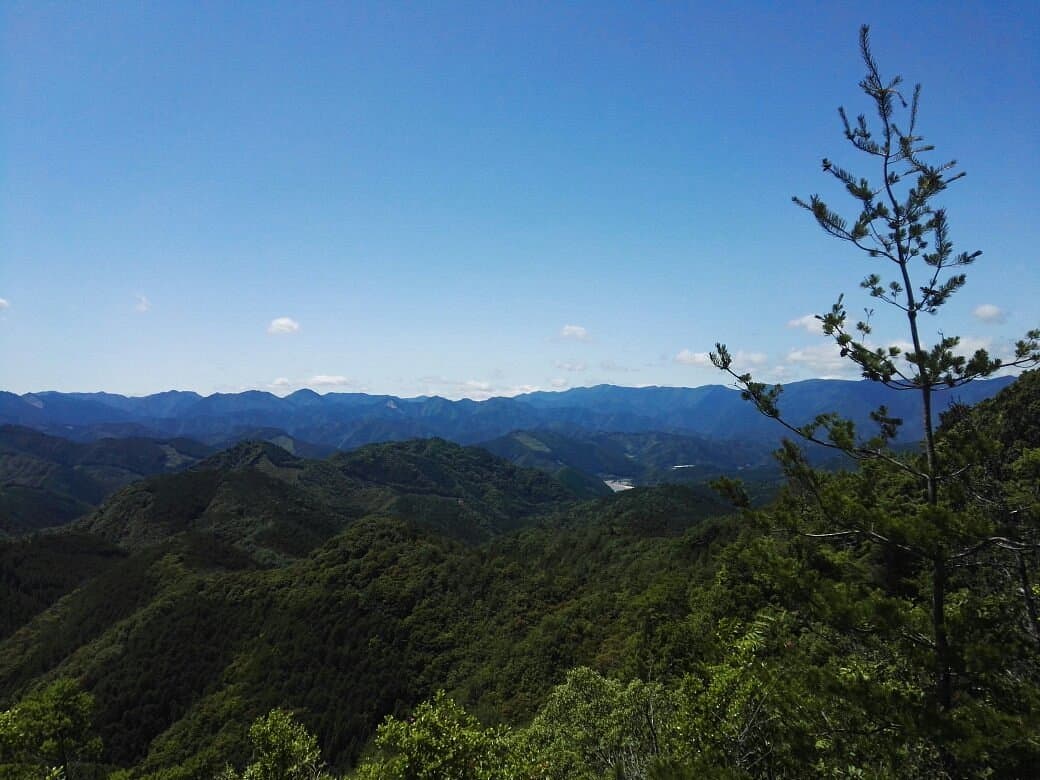
The Kumano Kodo is a sacred pilgrimage route, one of only two UNESCO World Heritage pilgrimage routes in the world (the other being the Camino de Santiago). It consists of several interconnected trails through the Kii Mountain Range, leading to the three Grand Shrines of Kumano (Kumano Sanzan). This ancient network, trodden for over a thousand years, offers a unique opportunity to connect with Japan's spiritual heritage and natural landscapes, far removed from the urban bustle.
Visitors consistently highlight the profound sense of peace and spiritual connection experienced while walking through the mossy cobblestones and dense cedar forests. The well-marked trails, often featuring ancient trees, waterfalls, and small shrines, are frequently described as beautiful and serene. Many praise the immersive cultural experience, particularly the stays in traditional Japanese inns (ryokan and minshuku) with their excellent food and hospitality. The option for luggage transfer services is a major convenience, allowing hikers to carry only a daypack. The sense of achievement upon completing sections of the trail, especially for those also having walked the Camino de Santiago to earn the 'Dual Pilgrim' certificate, is a recurring theme.
While the Kumano Kodo is immensely rewarding, it is also physically demanding. Reviewers frequently describe sections as having 'steep climbs and descents,' 'uneven ground over boulders and tree roots,' and 'strenuous.' Good hiking boots or trail shoes with strong tread are essential, and hiking poles are highly recommended, especially for steep descents and potentially slippery surfaces. Many suggest bringing plenty of water and snacks, as refreshment stops are infrequent on the trails. Planning for all weather conditions is crucial, as rain is common and can make paths slippery. The best times to visit are spring and autumn for milder weather; summer can be very hot and humid, while winter offers fewer crowds but potentially snow at higher elevations.
Access to the Kumano Kodo typically begins at Kii-Tanabe Station, which is well-connected by train. From Kii-Tanabe, local buses depart for various trailheads, such as Takijiri-oji, a common starting point for the Nakahechi route. The Kumano Kodo Tourism Bureau at Kii-Tanabe Station is highly praised for its English-speaking staff, detailed maps, and assistance with bus schedules, accommodation bookings, and luggage transfers. Some sections, like Hosshinmon-oji to Hongu Taisha, are easily accessible by bus and offer gentler, more scenic walks suitable for those with less time or physical capability. Driving is an option for some parts, with parking available at certain bus stations or trailheads, but public transport is generally recommended for multi-day hikes.
Common complaints include the difficulty of some sections, particularly the 'straight up and straight down' nature of the trails and the prevalence of cedar plantations which can make views monotonous for some. The booking system, especially for accommodations, can be 'clunky' if not using a dedicated service like Kumano Travel or Oku Japan. To mitigate these, thorough preparation using the resources from the Tanabe Tourism Bureau is vital. Choosing shorter, easier sections or utilizing buses for parts of the journey can make the experience more manageable. Booking accommodations well in advance, especially during peak seasons, is also advised.