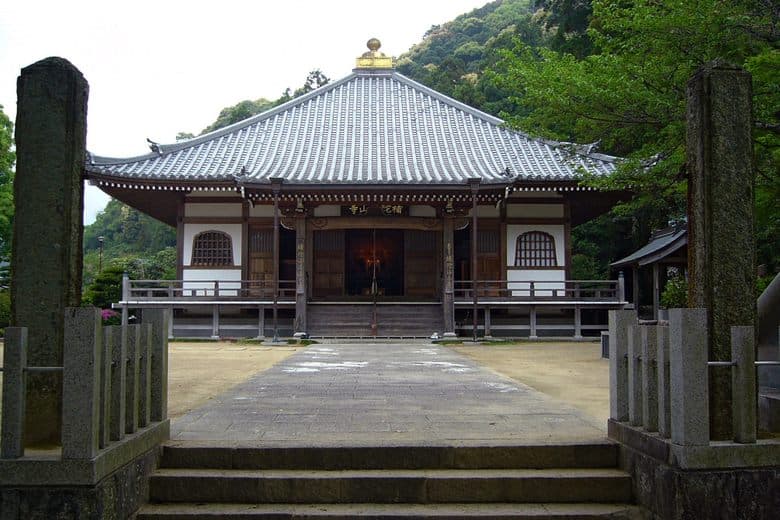
Fudarakusan-ji is a historic Buddhist temple in Nachikatsuura, renowned for its association with the ancient and unusual Fudaraku Tokai ritual. This practice involved monks embarking on a perilous sea voyage in small, coffin-like boats, believing they were journeying to Mount Potalaka, the mythical dwelling of Avalokiteśvara. Designated a UNESCO World Heritage Site as part of the Sacred Sites and Pilgrimage Routes in the Kii Mountain Range, the temple offers a glimpse into a unique aspect of Japanese religious history and self-sacrifice.
Visitors consistently find the replica of the Fudaraku Tokai boat to be the main highlight, prompting reflection on the monks' extreme devotion. The temple itself is described as small and quiet, providing a peaceful atmosphere. Reviewers appreciate the historical significance and the opportunity to learn about such a distinct cultural practice. While the temple's size means it doesn't require extensive time, the depth of its history leaves a lasting impression on many.
To make the most of your visit, allocate about 30-60 minutes. The temple is best visited during daylight hours, and there is no specific 'best' time of day mentioned in reviews, suggesting it's generally uncrowded. There is no entry fee, making it an accessible historical stop. Consider combining your visit with other attractions in the Nachi area, such as Nachi Falls, as the temple is conveniently located.
Fudarakusan-ji is exceptionally easy to access. It is located just a few hundred meters from Nachi Station, making it an ideal stop for those arriving by train or waiting for a bus connection to Nachi Falls. The short walking distance from the station means you can easily visit the temple even if you have a brief layover. Public transport is highly recommended due to its proximity to the station.
Common complaints are rare, but some visitors might find the temple's small size and lack of extensive exhibits underwhelming if they expect a large, grand complex. To mitigate this, approach the visit with an appreciation for its historical narrative and the unique cultural practice it represents, rather than expecting a sprawling temple ground.