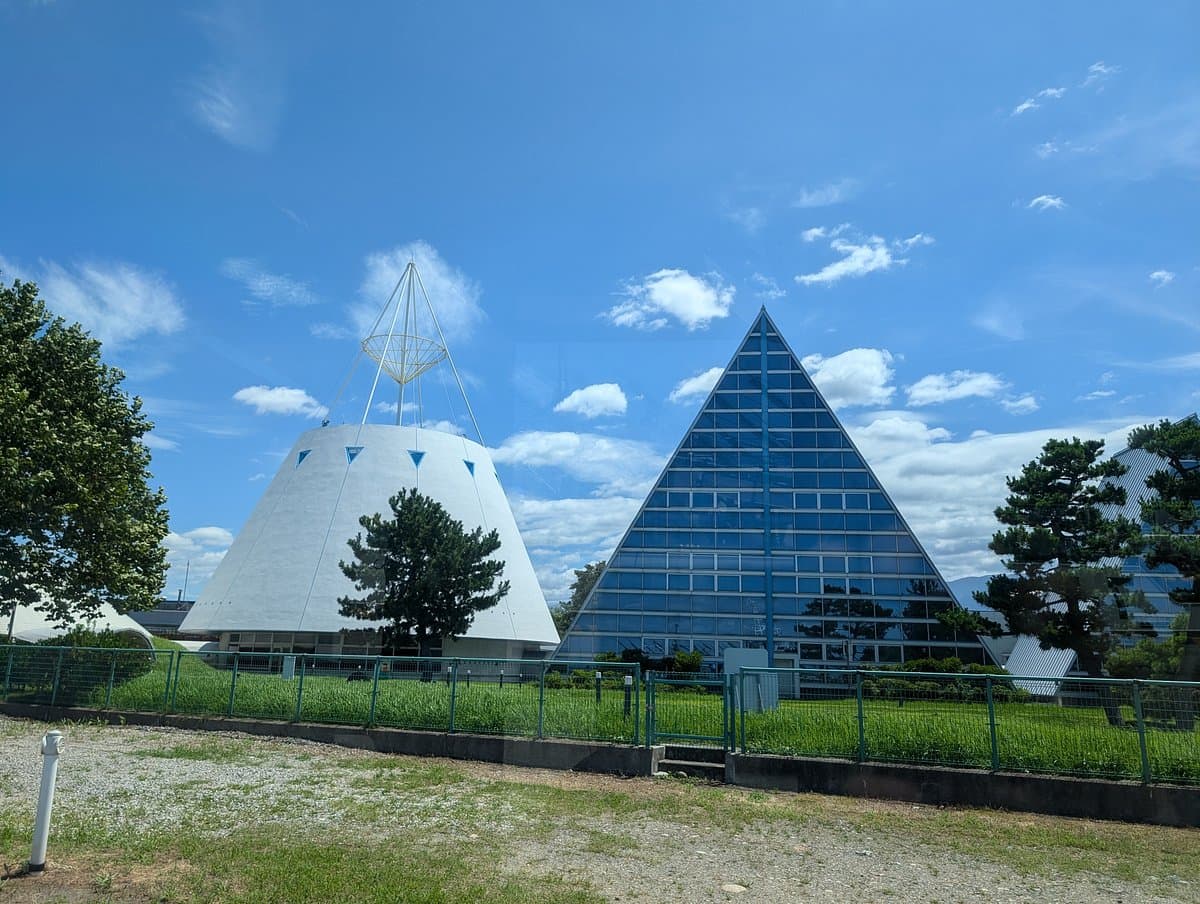
The Uozu Buried Forest Museum is a unique institution built around the original excavation site of an ancient cedar forest. This forest, estimated to be 500 years old when it was buried approximately 2,000 years ago, was discovered during the renovation of the Uozu fishery harbor in 1930. The museum preserves and displays the gnarled stumps and root systems that were submerged in mud, offering a tangible connection to a prehistoric natural event. It also serves as a hub for understanding Uozu's 'three mysteries': the buried forest itself, the spring appearance of bioluminescent firefly squid, and the regular occurrence of rare 'superior' mirages over Toyama Bay.
Visitors consistently praise the unique nature of the exhibits, noting the moving experience of touching 2,000-year-old trees. The museum effectively introduces the reasons behind the forest's preservation and its significance. Beyond the ancient trees, the museum also features displays and short films related to the mirage phenomenon, which some find interesting, though a few reviewers suggest these sections are less engaging than the main buried forest exhibit. The overall sentiment is that while the museum is not extensive, its core exhibit is genuinely fascinating.
For a fulfilling visit, allocate approximately 1 to 2 hours to explore the exhibits thoroughly. There is no cafe on-site, so visitors should plan for refreshments elsewhere. The museum includes a designated mirage lookout point, and while seeing a mirage is rare and dependent on specific atmospheric conditions, it adds an interesting element to the visit, particularly in spring. Bringing a camera is recommended for capturing the unique tree formations.
The museum is accessible via public transport. It is a 20-minute walk from JR Uozu Station on the JR Hokuriku Line or Toyama Chiho Railway Shin-Uozu Station. For those driving, it is about 10 minutes by car from the Hokuriku Expressway Uozu I.C. Parking is available on-site.
A common complaint is the relatively small size of the museum and the limited number of exhibits beyond the main buried forest. To mitigate this, visitors should manage expectations regarding the scope of the museum and focus on appreciating the unique historical and natural significance of the buried trees. While the mirage displays are present, the actual sighting of a mirage is not guaranteed, so it should be considered a bonus rather than a primary reason for visiting.