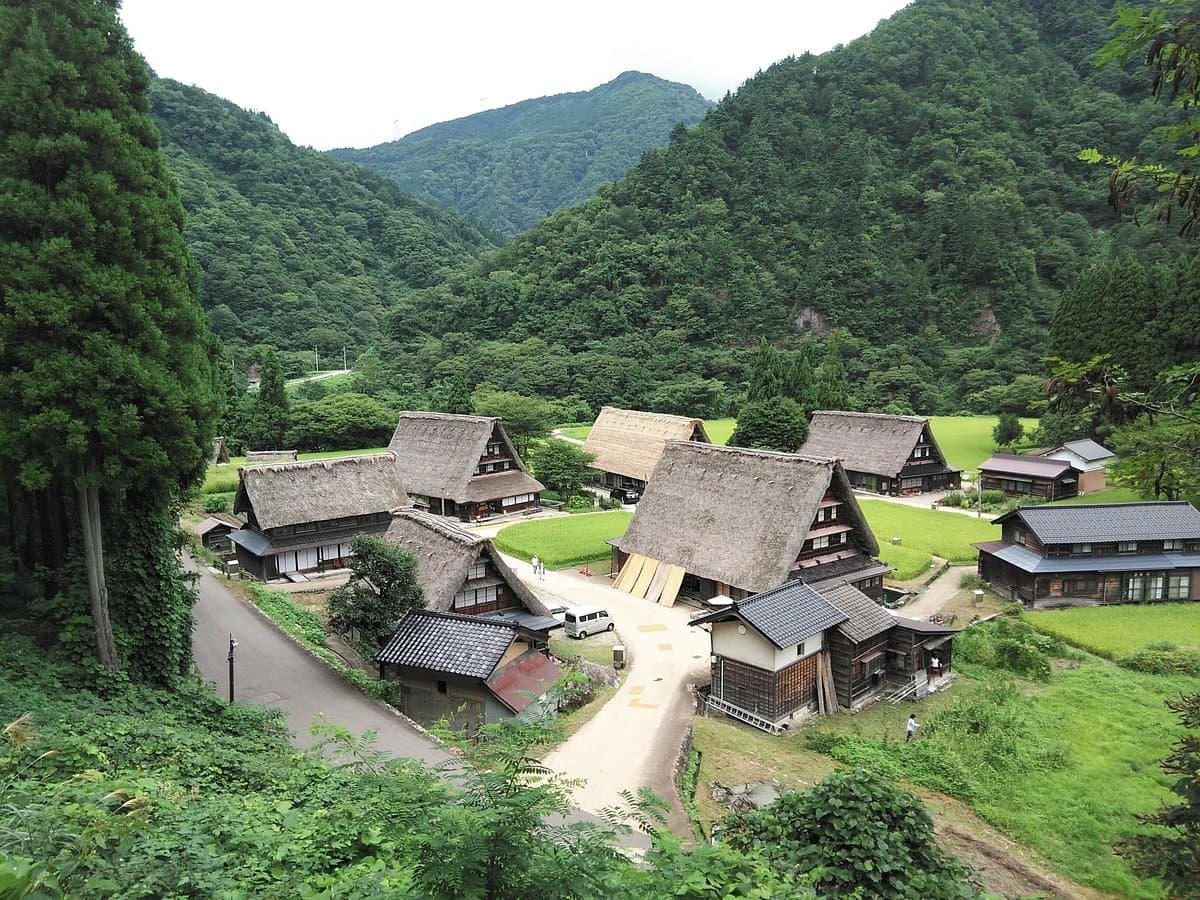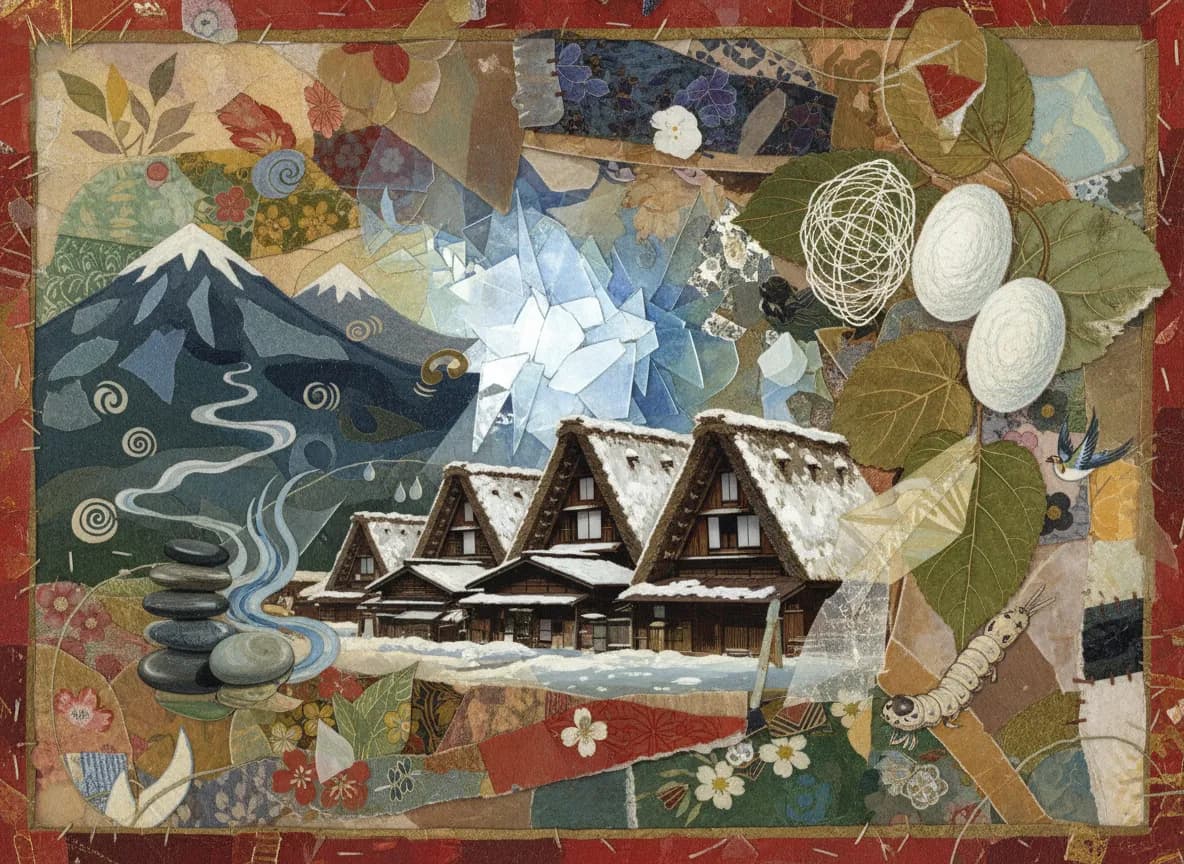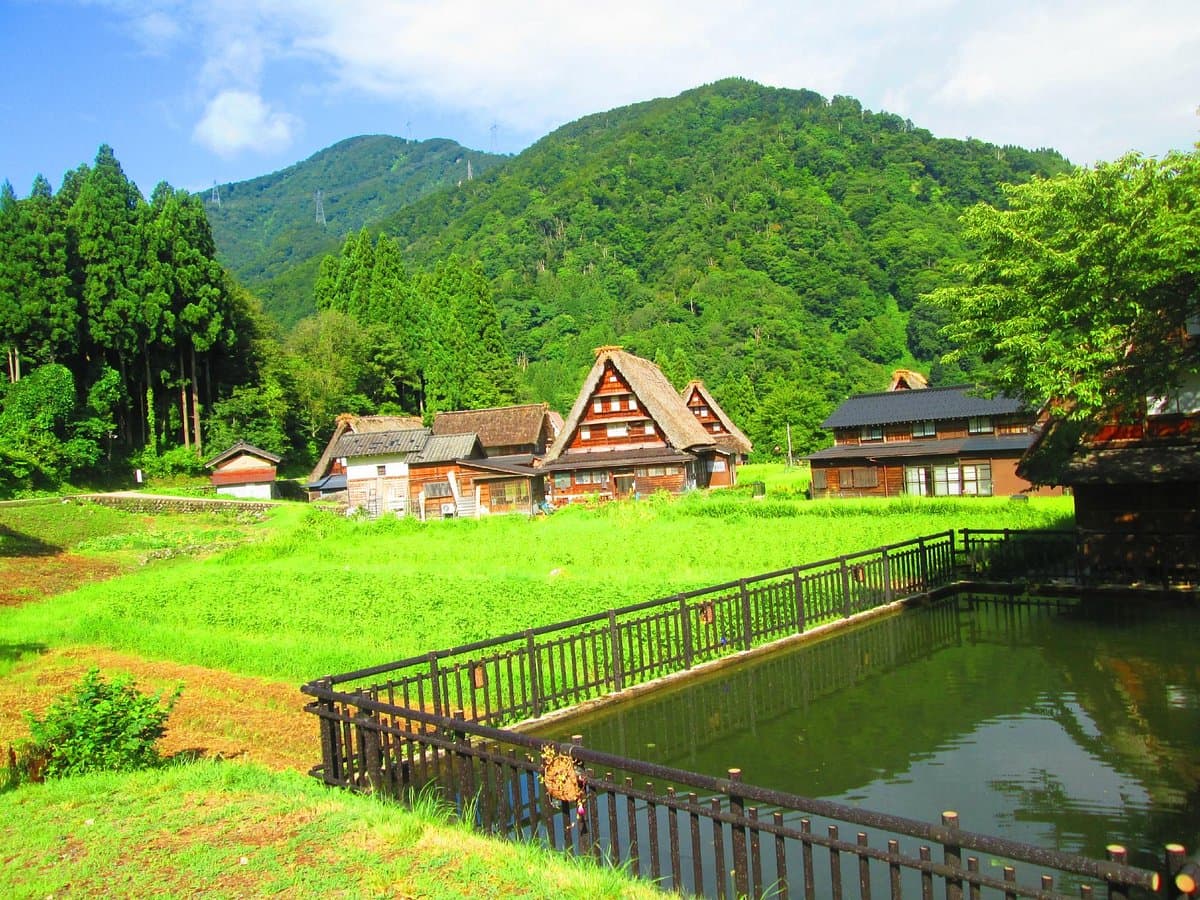
Suganuma Gassho Community is a designated UNESCO World Heritage site, celebrated for its collection of traditional Gassho-zukuri farmhouses. These unique, steeply-pitched thatched-roof houses are architectural marvels, designed to withstand heavy snowfall and provide ample space for traditional industries like sericulture. As one of the three historic villages in the Gokayama region, Suganuma offers a window into a bygone era of Japanese rural life, preserving a cultural landscape that has remained largely unchanged for centuries.
Visitors frequently highlight Suganuma's serene and less crowded environment as a major advantage over its more famous counterpart, Shirakawa-go. Many describe it as a peaceful escape, allowing for a more intimate appreciation of the traditional architecture and natural surroundings. Reviewers often note the beauty of the village set against the backdrop of the Shogawa River and mountains, with some finding it particularly picturesque in the snow. The presence of a few small museums, which detail the history and lifestyle of the Gassho-zukuri houses, is also appreciated, offering insights into how gunpowder was once made in the village. While some note the village's small size, with only nine Gassho-zukuri houses, this is often seen as contributing to its charm and manageability.
To make the most of your visit, plan for approximately 1 to 2 hours to leisurely explore the village, including time for the museums and perhaps a meal. Many recommend visiting Suganuma as part of a larger tour of the Gassho-zukuri villages, often combining it with Ainokura and Shirakawa-go. Arriving earlier in the day can help avoid any potential crowds, though Suganuma is generally less busy than Shirakawa-go. Consider bringing comfortable walking shoes, especially if you plan to explore the surrounding areas. Some visitors suggest having some Japanese phrases ready, as information in Western languages can be limited in some of the smaller museums.
Suganuma is accessible by the Kaetsunou World Heritage Bus. From Shin-Takaoka Station, take the bus directly to the Suganuma bus stop, which takes about 1.5 hours. If coming from Shirakawa-go, the green World Heritage bus runs approximately hourly. For those driving, parking is available above the village, with an elevator providing convenient access down to the village level. This elevator and tunnel experience is often mentioned as a unique part of the visit. Some visitors also note that the village is located along National Route 136, making it an easy stop if traveling by car between other destinations in the region.
The primary complaint revolves around the village's small size, with some visitors feeling they completed their exploration in under 20 minutes if they didn't enter any houses or museums. To mitigate this, allocate sufficient time to visit the two small museums (which have a combined entry fee) to gain a deeper understanding of the local history and culture. Engaging with the local shops and restaurants, even for a quick snack, can also enhance the experience and support the community. While some information may not be available in English, the visual experience and peaceful atmosphere are often considered rewarding enough.