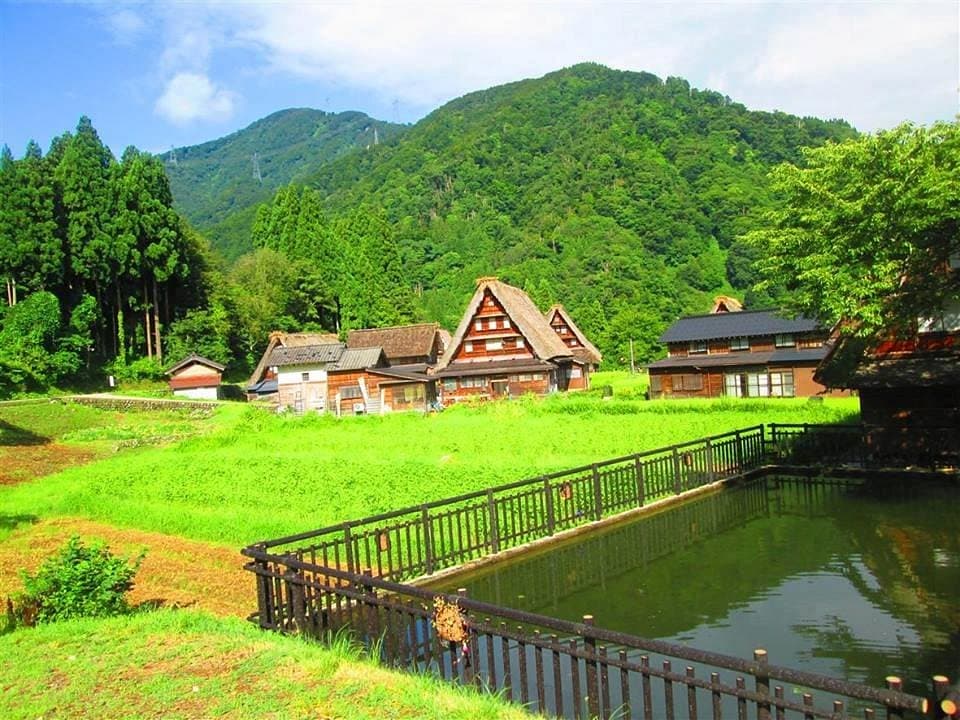
The Ainokura Gassho Community is a UNESCO World Heritage site renowned for its distinctive gassho-zukuri farmhouses, characterized by their steeply pitched, thatched roofs resembling hands clasped in prayer. This remote village, nestled in the mountains of Toyama Prefecture, offers a rare glimpse into a traditional way of life that has largely disappeared elsewhere in Japan. It stands as a testament to the ingenuity and resilience of its inhabitants, who adapted to the harsh mountain environment by constructing these unique, durable homes.
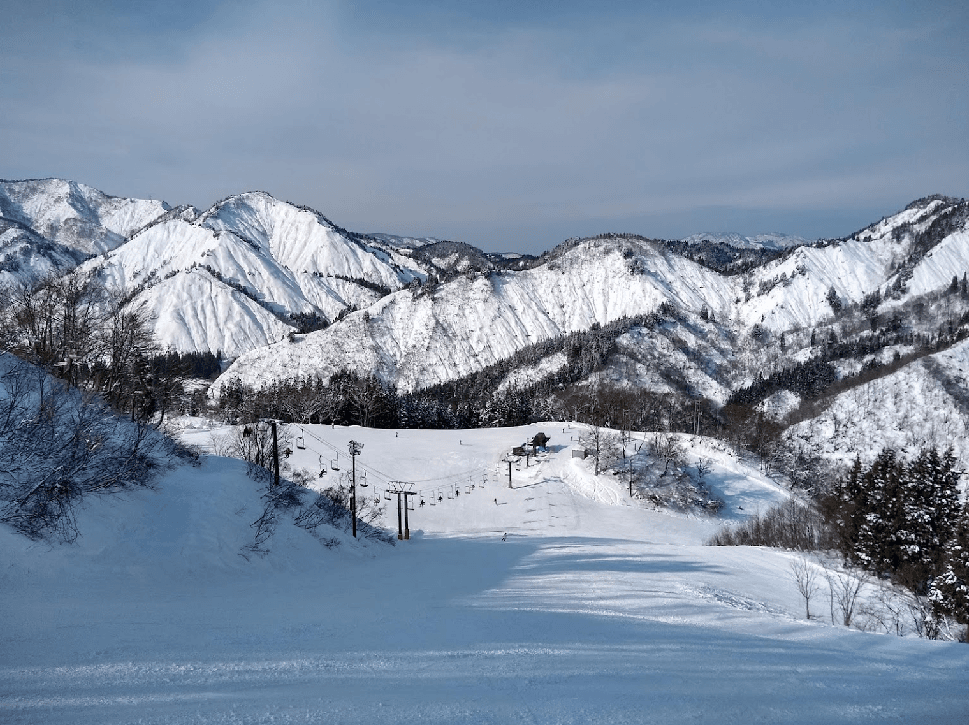
Visitors consistently highlight Ainokura's tranquil and authentic atmosphere, often contrasting it favorably with the more crowded Shirakawa-go. Many reviewers describe it as a "peaceful escape" where one can truly experience traditional Japanese hospitality, especially if staying overnight in one of the gassho houses. The opportunity to witness daily life, hear children playing, and enjoy delicious traditional meals prepared by local hosts are frequently praised. The village's smaller scale, with about 20 gassho houses, allows for a more intimate exploration, and the surrounding natural beauty, particularly in winter with snow-covered landscapes, is a major draw for photographers.
To make the most of your visit, consider arriving early in the morning to avoid any potential tour groups, though reviewers note that Ainokura generally remains less crowded throughout the day. A walk up to the viewpoint, typically a 5-15 minute uphill stroll, is highly recommended for panoramic photos of the village. Several reviewers suggest staying overnight in a minshuku (traditional guesthouse) for a truly immersive experience, emphasizing the warm welcome and delicious food. While some houses are open as museums (with a small entry fee, around 200 yen each), many are still private residences, so visitors should be respectful of local life. Bring comfortable walking shoes, especially if visiting in winter when paths can be snowy and slippery. Allow 1.5 to 2 hours for a leisurely exploration, including the viewpoint.
Ainokura is accessible by the World Heritage Bus. From Shirakawa-go, the bus journey takes approximately 45 minutes to an hour, depending on traffic. From Toyama Station, buses also serve the village. For those driving, Ainokura is located along Route 156. There is a paid parking lot for visitors (around 500 yen per day), and from there, it's a short walk into the village. Reviewers coming from Kanazawa often rent a car for the day. The village is considered "off the track" by some due to its remote location, but this contributes to its peaceful charm.
A common complaint, particularly from those on bus tours, is the limited time allocated for exploration, sometimes as little as 30-45 minutes, which many find insufficient to fully appreciate the village. To mitigate this, consider visiting independently by bus or car, or opting for a tour that allows more time. Some visitors also note that on hot days, there isn't much shade, so bringing a hat and water is advisable. While some reviewers mention not being able to go inside many houses, several gassho houses operate as museums or guesthouses, offering opportunities for interior exploration and cultural activities like mochi making or washi paper crafting.