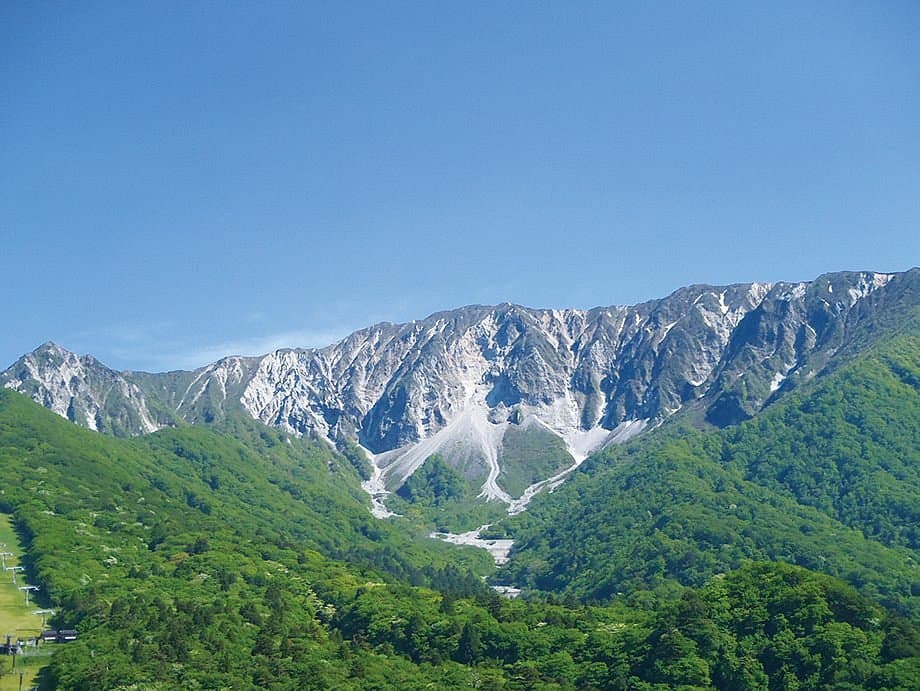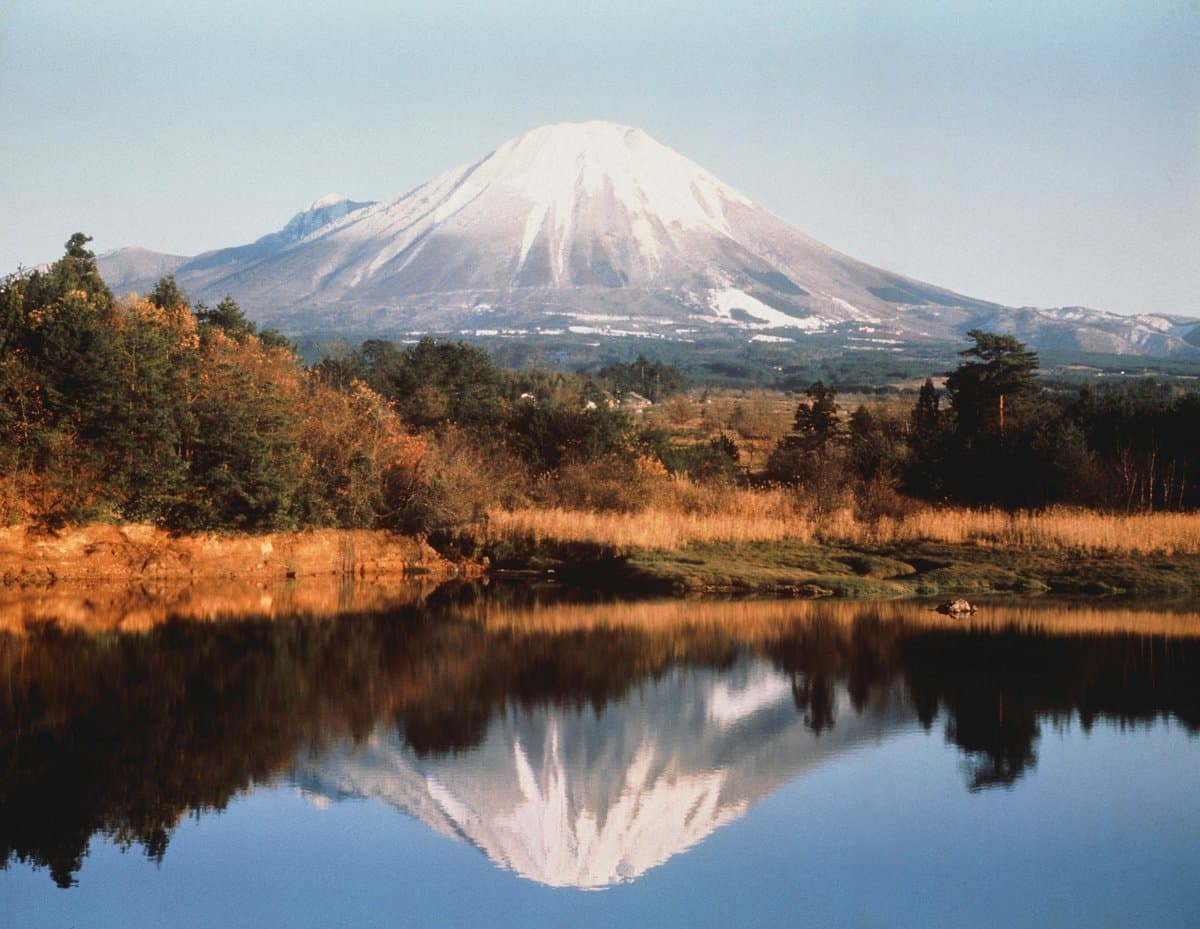
Mt. Daisen, often referred to as the "Fuji of Hoki" due to its majestic appearance, is the highest peak in the Chugoku region and one of Japan's 100 famous mountains. It is a significant natural landmark, offering diverse landscapes and activities throughout the year, from hiking and skiing to enjoying its natural beauty from various viewpoints.
Visitors consistently highlight the mountain's stunning seasonal transformations. Many praise the vibrant autumn colors, noting the slopes turn a beautiful orange, while others are captivated by the serene, snow-covered scenery in winter. The summer trail is described as an "easy" hike by some, though others recommend walking poles due to steep steps. The views from the summit (Misen Peak, as the highest Kengamine peak is restricted) are frequently lauded as incredible, offering panoramic vistas of the surrounding area. Reviewers also appreciate the peaceful and clean air, and the opportunity to connect with nature.
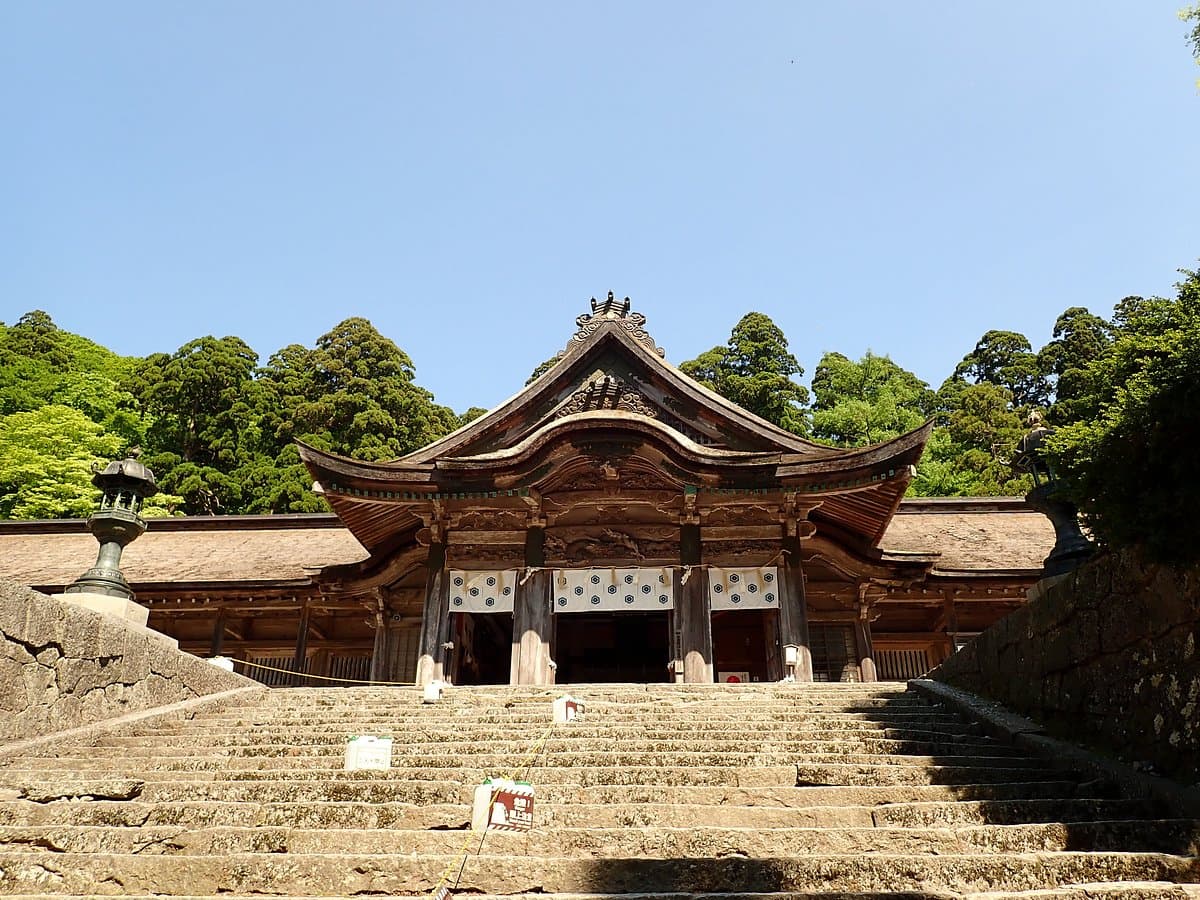
For hiking, it's advisable to bring walking poles, especially if you're not accustomed to steep ascents or if there's snow/ice. Even in late September, some areas are shaded and not overly hot, but proper hydration is always recommended. Many suggest spending about 3-4 hours for the summit hike, including short rests. If you're not climbing, allocate time to explore the surrounding area, including Daisenji Temple, Ogamiyama Back Shrine, and nearby attractions like the Flower Park or a lake. Consider visiting in different seasons, as each offers a unique experience. Early morning flights from Yonago Airport can offer spectacular views of the sunrise over Mt. Daisen, so a window seat is recommended if flying.
To reach Mt. Daisen, many visitors utilize public transport. A common route involves taking a local bus from Yonago JR Station. The bus journey to Daisenji Temple (a terminal station) takes approximately 55 minutes and costs around 720 yen. Tourist shuttles also run between the JR station and various attractions around the mountain; purchasing a 1-day tourist pass for these shuttles is often recommended. For those driving, the area features winding roads and offers numerous viewpoints, such as Kagamiganari and Kagikake Toge, allowing for scenic drives around the mountain's base.
A common complaint, particularly for those with vertigo or less experience, is the steepness of the steps on the main trail. Some visitors turned back at the 5th station due to the increasing height and incline. To mitigate this, consider taking the easier summer trail if available, or simply enjoy the lower trails and surrounding attractions without attempting the summit. In winter or early spring, snow and ice can cover the stairs, making the ascent slippery; appropriate footwear and gear are essential during these times.