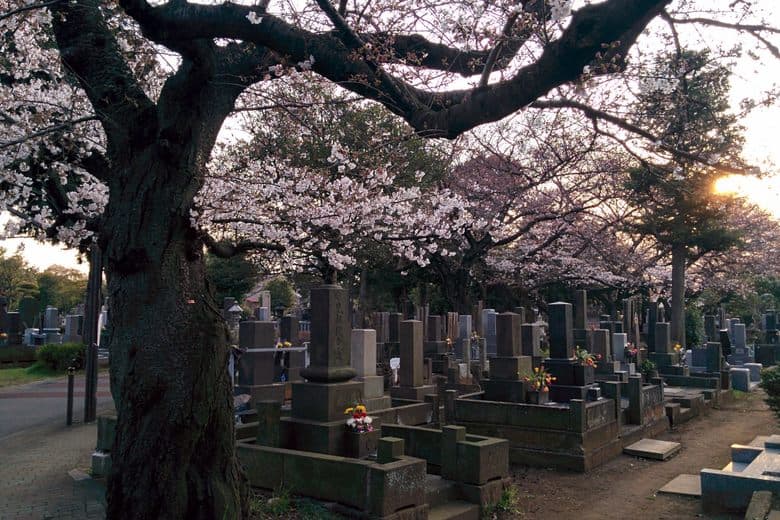
Yanaka Cemetery is not just a burial ground but a sprawling, scenic park that holds significant historical importance in Japan. Established in 1872 after the Meiji Restoration, it became one of the first public cemeteries in the country, accommodating Shinto funerals after the separation of Buddhist and Shinto religions. It is the final resting place for approximately 7,000 individuals, including Tokugawa Yoshinobu, the last shogun of Japan, whose tomb is a notable point of interest within a gated section.
Visitors consistently praise the cemetery for its peaceful and contemplative atmosphere, often describing it as an oasis of calm amidst the bustling city. Many highlight the beautiful cherry blossoms in April, which create a stunning canopy over the paths, transforming the cemetery into one of Tokyo's premier sakura viewing spots. The blend of historical monuments, lush greenery, and the quiet reverence of the place makes it a unique cultural experience. Reviewers frequently mention the opportunity for a reflective stroll and the chance to observe traditional Japanese funerary practices and architecture.
To make the most of your visit, consider bringing comfortable walking shoes as the cemetery is quite large. An hour or two is generally sufficient to explore the main pathways and locate key tombs, though history enthusiasts might spend longer. Visiting during the cherry blossom season (typically early April) is highly recommended for the most picturesque experience, but the cemetery offers beauty and tranquility year-round. Early mornings are often less crowded, allowing for a more serene experience. While there are no specific items to skip, some visitors suggest focusing on the main avenues and the Tokugawa family plot if time is limited.
Yanaka Cemetery is conveniently located and easily accessible by public transport. It is just a 1-minute walk from Nippori Station, which is served by the JR Yamanote Line, Keihin-Tohoku Line, and Joban Line. It is also within a 5-minute walk from Nishi-Nippori Station (JR Yamanote Line, Tokyo Metro Chiyoda Line) and Uguisudani Station (JR Yamanote Line, Keihin-Tohoku Line). These stations provide excellent connections to other parts of Tokyo, making it simple to incorporate a visit into your itinerary.
Common complaints are few, but some visitors note that finding specific graves can be challenging due to the cemetery's size and the lack of comprehensive English signage for all plots. To mitigate this, consider researching the locations of specific tombs you wish to see beforehand or simply enjoy a leisurely wander, appreciating the overall ambiance rather than focusing on finding every individual grave.

