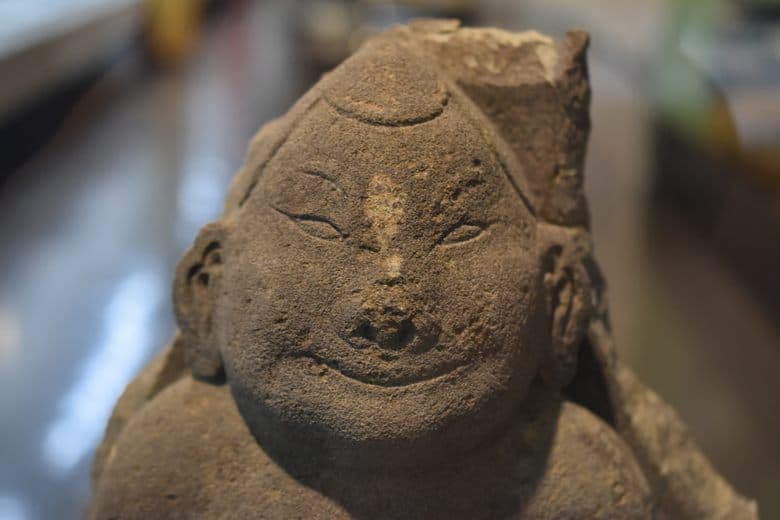
The Tone Canal Billiken Shrine is a small, roadside shrine in Nagareyama, Chiba Prefecture, dedicated to Billiken, a figure often referred to as the "god of things as they ought to be." Originating in Kansas City, Missouri, Billiken gained immense popularity in Japan, particularly in Osaka, after being introduced in the early 20th century. This shrine, established in 1913, represents a unique cultural fusion and a lesser-known facet of Japanese folklore, showcasing how foreign symbols can be adopted and reinterpreted within local traditions.
Visitors to the shrine consistently engage with the tradition of rubbing Billiken's feet for good luck. While the current statue is a tin replacement, the original, which was vandalized in 2018, is now preserved and exhibited at the Nagareyama City Museum. Reviewers appreciate the quirky nature of the shrine and its historical significance, often noting the contrast between its humble appearance and its interesting backstory. The experience is generally described as brief but memorable, offering a moment of quiet reflection and a touch of local charm.
To make the most of your visit, allocate about 15-30 minutes for the shrine itself. There's no specific best time of day, as it's an outdoor, always-accessible site. Consider bringing a few small coins for an offering, though it's not mandatory. If you wish to see the original Billiken statue, plan a separate trip to the Nagareyama City Museum. The museum is open daily except Mondays, from 9:30 AM to 5 PM, and entry is free. Visitors recommend combining both locations for a complete understanding of Billiken's local history.
The shrine is conveniently located about a five-minute walk from Unga ("canal") Station on the Tobu Urban Park Line. From the station, cross the "Nikko East Return" bridge over the canal and turn left at the first corner; the shrine will be on the roadside. To reach the Nagareyama City Museum from Unga Station, take a 7-minute train ride to Nagareyama-Ōtakanomori Station. From the west exit, local buses run towards Nagareyama, Minami-Nagareyama, or Heiwadai, which will take you to the museum.
A common point of confusion for visitors is the small size and unassuming nature of the shrine, which can be easily missed if not specifically looking for it. Reviewers advise using a map application and keeping an eye out for the small structure on the roadside. Additionally, some visitors might expect a larger, more traditional shrine, so managing expectations regarding its scale is helpful.
