The Tobacco & Salt Museum, originally established in Shibuya in 1978 and relocated to the Sumida ward in 2015, offers a deep dive into two commodities that once held significant cultural and economic importance in Japan due to government monopolies. It provides a fascinating, often overlooked, perspective on Japanese history and daily life, showcasing how these seemingly mundane items shaped society.
Visitors consistently praise the museum's thoughtful curation and the surprising breadth of its collection. Reviewers highlight the engaging displays, which range from ancient salt-making techniques and diverse rock salt specimens (including a massive two-ton Polish piece) to intricate tobacco pipes, ukiyo-e art depicting smoking, and life-size replicas of Edo-period tobacco shops. Many find the exhibits to be informative and well-presented, making complex historical information accessible and interesting. The museum is often described as a 'hidden gem' that offers a quiet and contemplative experience away from the city's bustling crowds.
To make the most of your visit, plan for approximately 1.5 to 2 hours. The museum is relatively small, allowing for a thorough exploration without feeling rushed. It's particularly recommended for those with an interest in niche museums, cultural history, or anyone looking for a unique Tokyo experience. Consider visiting on a weekday to avoid any potential, though usually minimal, crowds. The low entry fee makes it an excellent value for money.
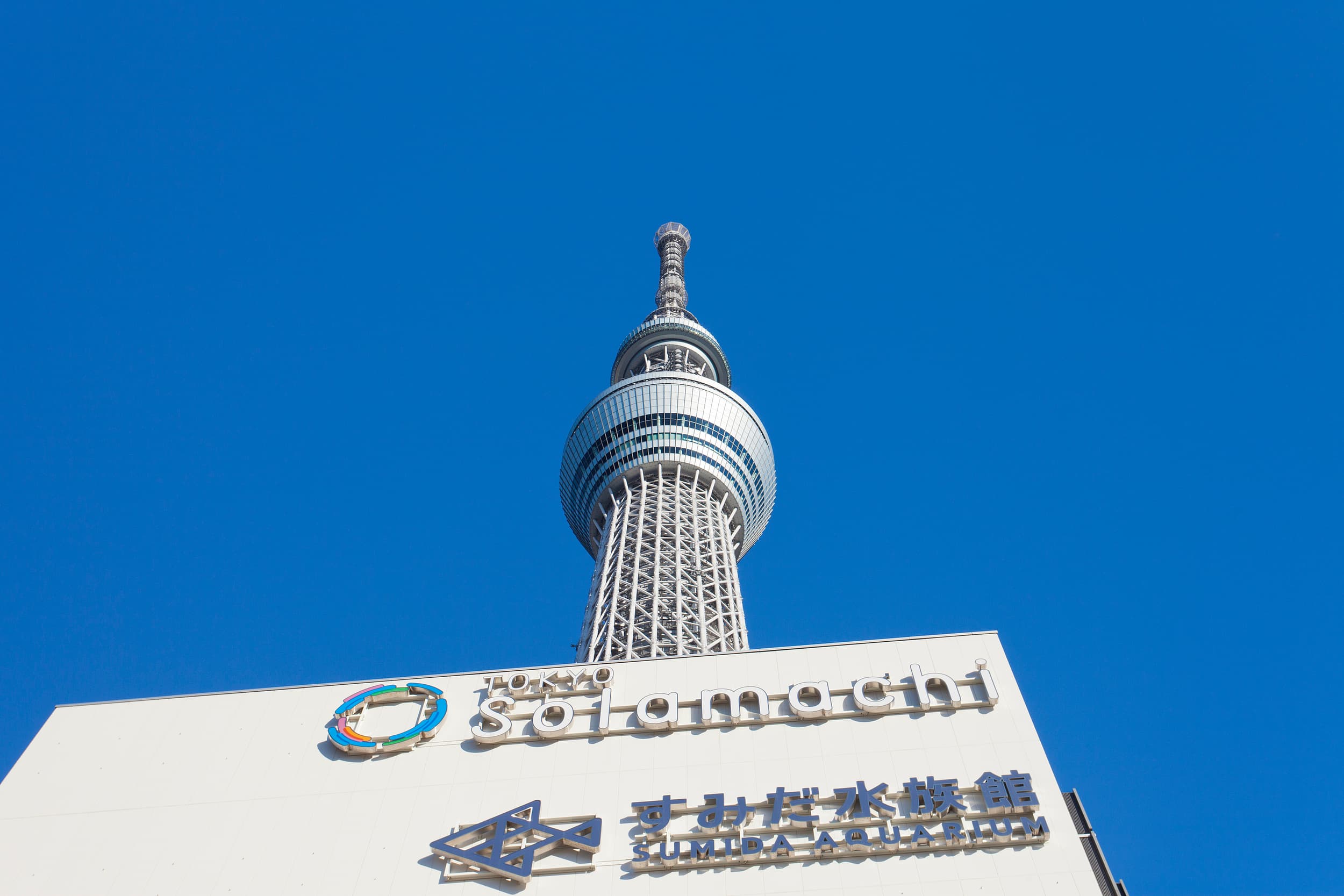
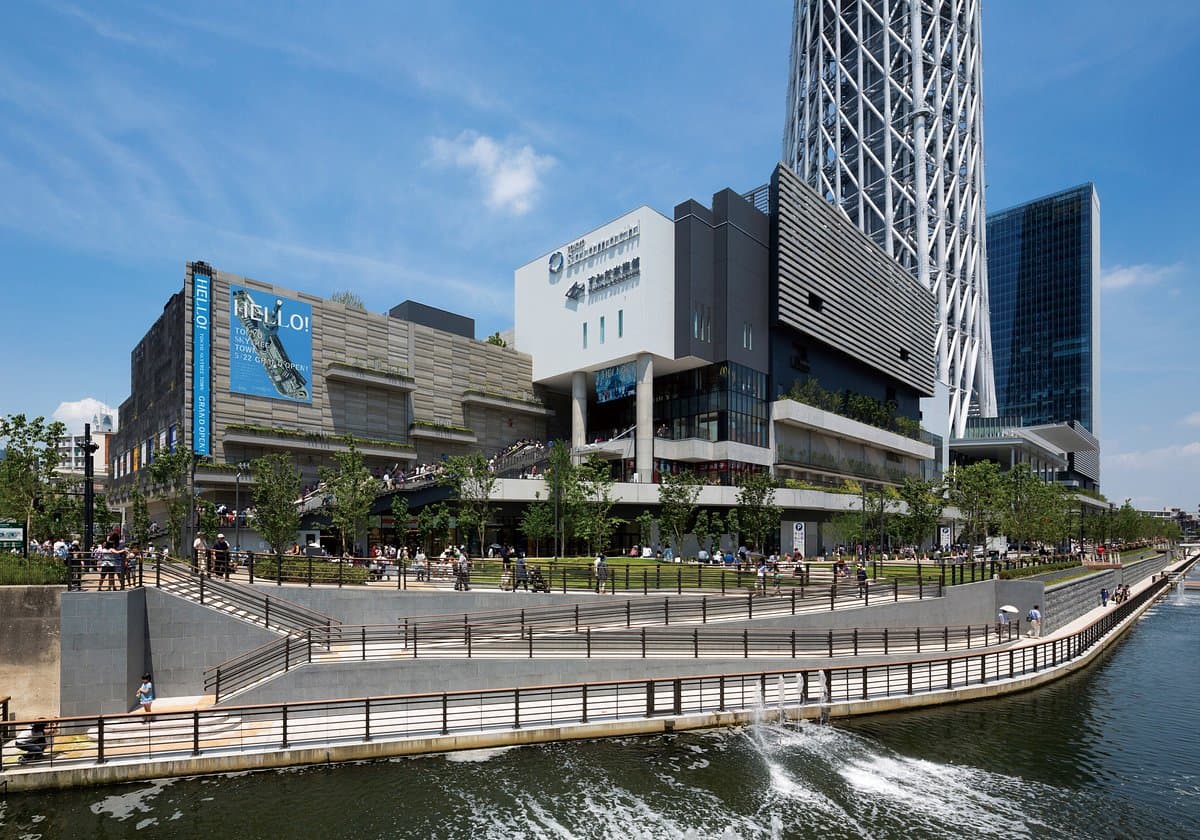
The museum is conveniently located in the Sumida ward. It is a 10-minute walk from Oshiage Station, which is served by the Tokyo Metro Hanzomon Line and the Toei Asakusa Line. This makes it easily accessible via Tokyo's extensive public transportation network. Look for signs directing you towards the museum once you exit the station. Driving is generally not recommended due to limited parking and excellent public transport options.
While generally well-received, some visitors occasionally mention that the museum's focus might be too specific for those without a particular interest in the subject matter. To mitigate this, approach the museum with an open mind, appreciating it as a cultural institution rather than just a collection of objects. There are no significant complaints regarding overcrowding or poor facilities, ensuring a comfortable visit for most.