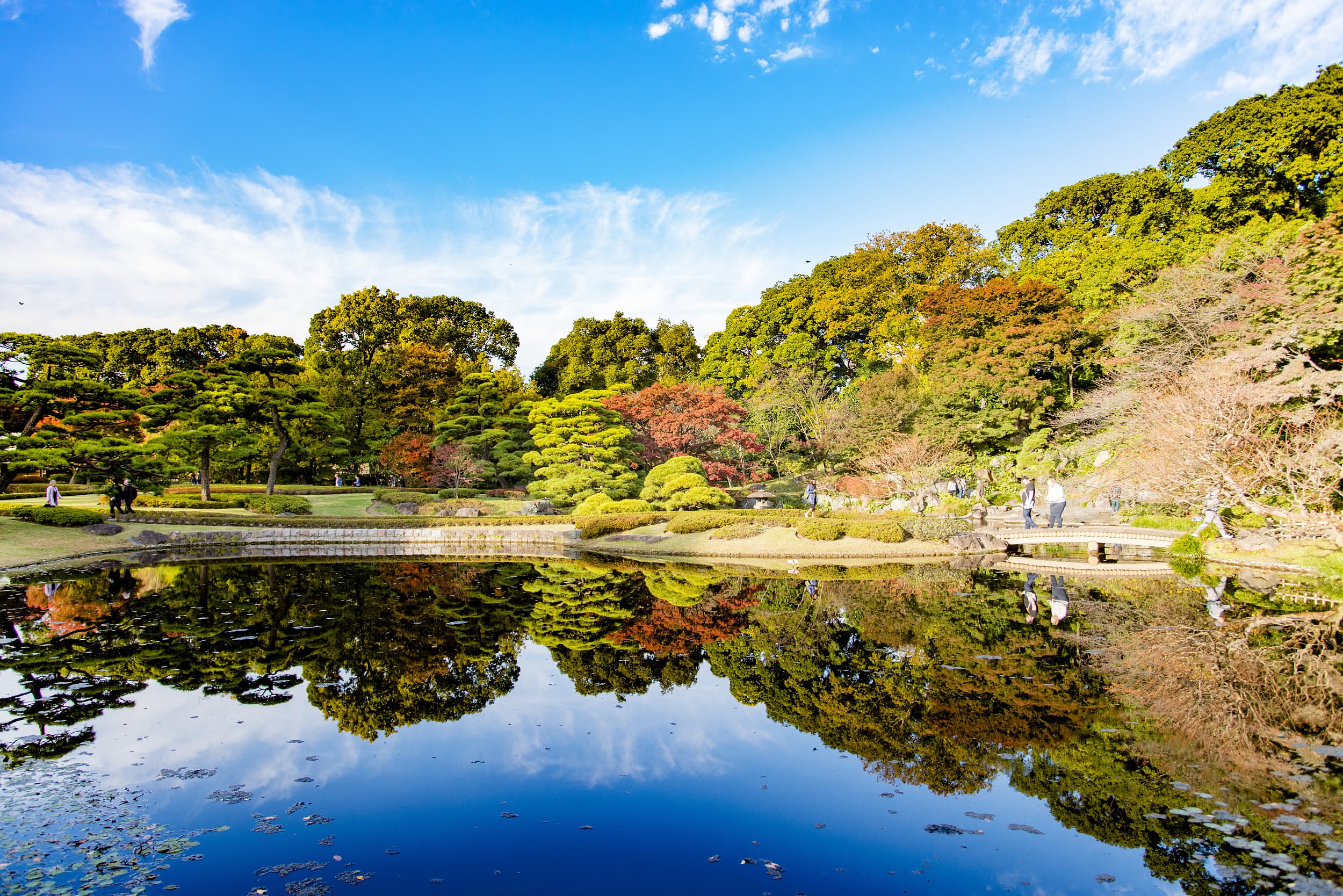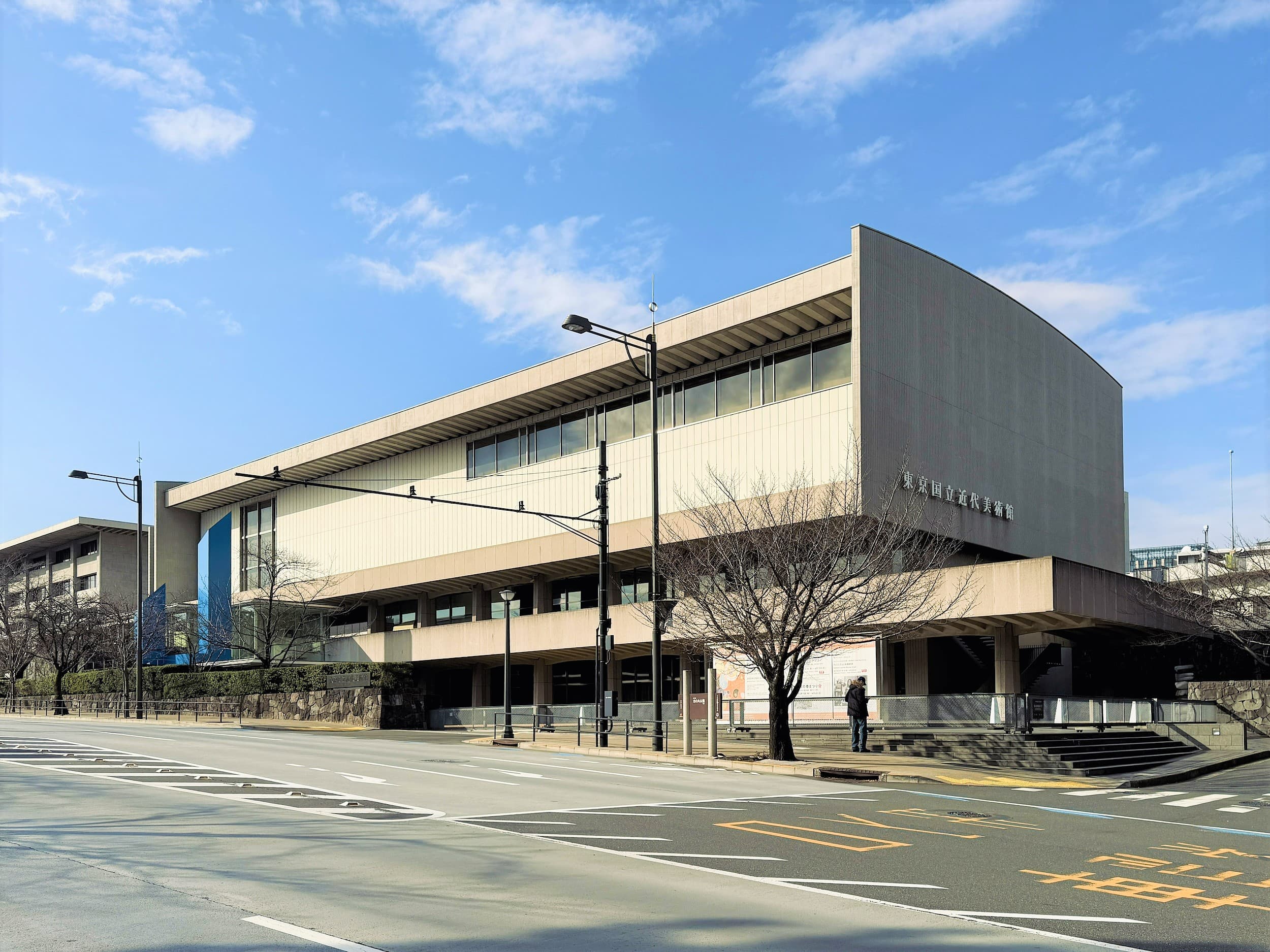
The National Museum of Modern Art, Tokyo (MOMAT) is Japan's first national art museum, established in 1952. Its primary mission is to collect, preserve, and display representative works of modern Japanese art, providing a comprehensive overview of the nation's artistic evolution from the early 20th century to the contemporary era. Located within the scenic Kitanomaru Park, it serves as a significant cultural institution showcasing both Eastern and Western modern art influences.
Visitors consistently praise MOMAT for its extensive collection of Japanese modern art, with many highlighting the opportunity to see works by renowned artists like Yoshitomo Nara and Yayoi Kusama, as well as a broad spectrum of Japanese painters and craftspeople. Reviewers often note the museum's tranquil atmosphere and spacious interiors, which allow for a comfortable viewing experience even when special exhibitions are popular. The ability to take photos inside is frequently mentioned as a positive aspect, encouraging engagement with the art. The museum's focus on Japanese art is a key draw, offering a unique perspective compared to more international collections.
For a fulfilling visit, allocate 2-3 hours to explore the main collection. Some visitors suggest that the museum can be seen in as little as half an hour if focusing only on specific pieces, but a more leisurely pace is recommended to appreciate the breadth of the art. The museum's layout, with collections displayed from the 4th to 2nd floors, moving from older to newer works, is intuitive. Consider visiting on a weekday to avoid crowds, as some reviewers appreciate the quiet experience. Free admission days, if available, are highlighted as excellent opportunities to explore the collection without cost, though they might attract more visitors.
MOMAT is conveniently located near the Imperial Palace in Kitanomaru Park. The nearest subway stations are Takebashi Station (Tozai Line), just a 3-minute walk from the museum's main entrance, and Kudanshita Station (Tozai, Hanzomon, and Shinjuku Lines), about a 10-minute walk. These stations offer direct access from various parts of Tokyo, making public transport the most recommended way to reach the museum. Driving is generally not advised due to limited parking and Tokyo's efficient public transportation system.
While generally well-received, some visitors occasionally find the permanent collection to be smaller than expected or less diverse if their primary interest is international modern art. To mitigate this, it's advisable to check the museum's website for current special exhibitions, which often feature a wider range of artists or themes. Additionally, some older reviews mention a lack of Chinese interpretation, so visitors relying on specific language guides should verify availability beforehand.