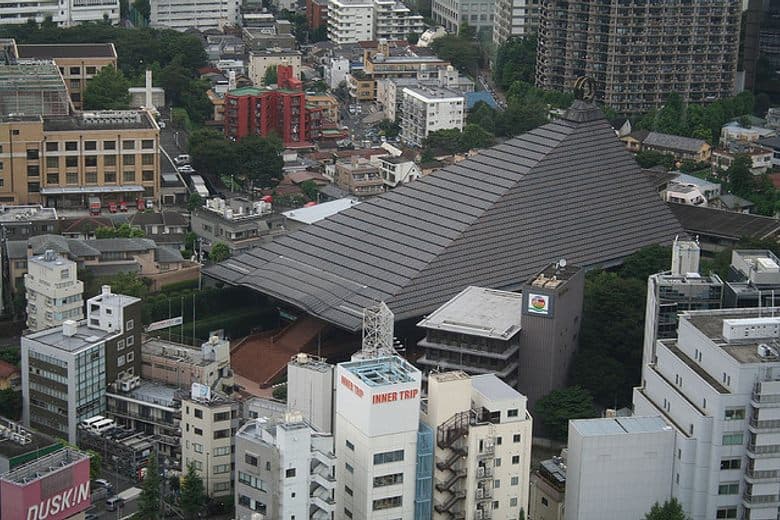
The Shakaden Reiyukai Temple is the headquarters of the Inner Trip Reiyukai, a modern Japanese religious movement that emerged from Buddhism in the 1930s. Its striking black, pyramidal structure, built in 1975, makes it a notable architectural landmark in central Tokyo, distinct from more traditional temples. While its appearance might suggest a futuristic or austere environment, the temple is open to the public and aims to promote world peace.
Visitors are often intrigued by the temple's unique blend of modern design and spiritual purpose. The interior houses an eight-meter Buddha carved from thousand-year-old camphor wood, which is a significant draw. Another unusual feature that captures attention is a large reservoir containing 400 tons of drinking water, intended for use during emergencies. The temple also offers free Japanese lessons for foreigners, a unique opportunity that many find appealing for cultural immersion.
To make the most of a visit, plan to spend about an hour exploring the architecture and the main hall. There are no specific items to bring, but comfortable shoes are always advisable for walking around Tokyo. The temple is generally less crowded than major tourist attractions, allowing for a more contemplative experience. Consider visiting during the weekdays for fewer people, especially if you are interested in the Japanese lessons, which may have specific schedules.
The temple is conveniently located and easily accessible by public transport. It is just a 3-minute walk from the Kamiyacho subway station on the Hibiya Line. This makes it straightforward to reach from various parts of Tokyo. There is no specific information about parking, so public transport is the recommended method of arrival.
Common complaints are not widely reported, likely due to its niche appeal and the amiable nature of the monks. However, some visitors might find the modern aesthetic less appealing than traditional Japanese temples, or the religious context might not resonate with everyone. To mitigate this, approach the visit with an open mind, appreciating it as a unique example of modern religious architecture and a cultural institution rather than a conventional tourist site.