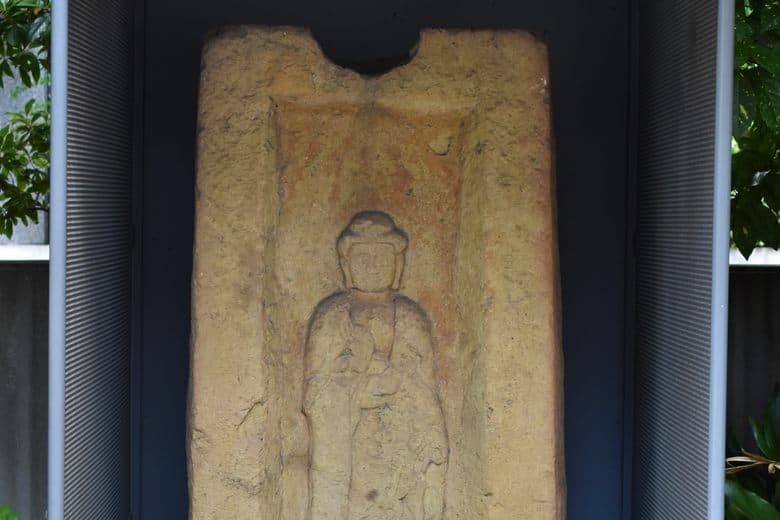
The Sarcophagal Amitabha-Buddha, located at Fukushō-ji Temple in Shibuya, is a unique historical artifact that bridges Japan's ancient Kofun period (300–538 AD) with its medieval Buddhist traditions. This 14th-century relief, carved into the lid of a much older sarcophagus, represents a practice common in western Japan but exceptionally rare in Tokyo. It serves as a tangible link to a time when ancient burial stones were repurposed as objects of worship, offering a fascinating insight into the evolution of religious and cultural practices.
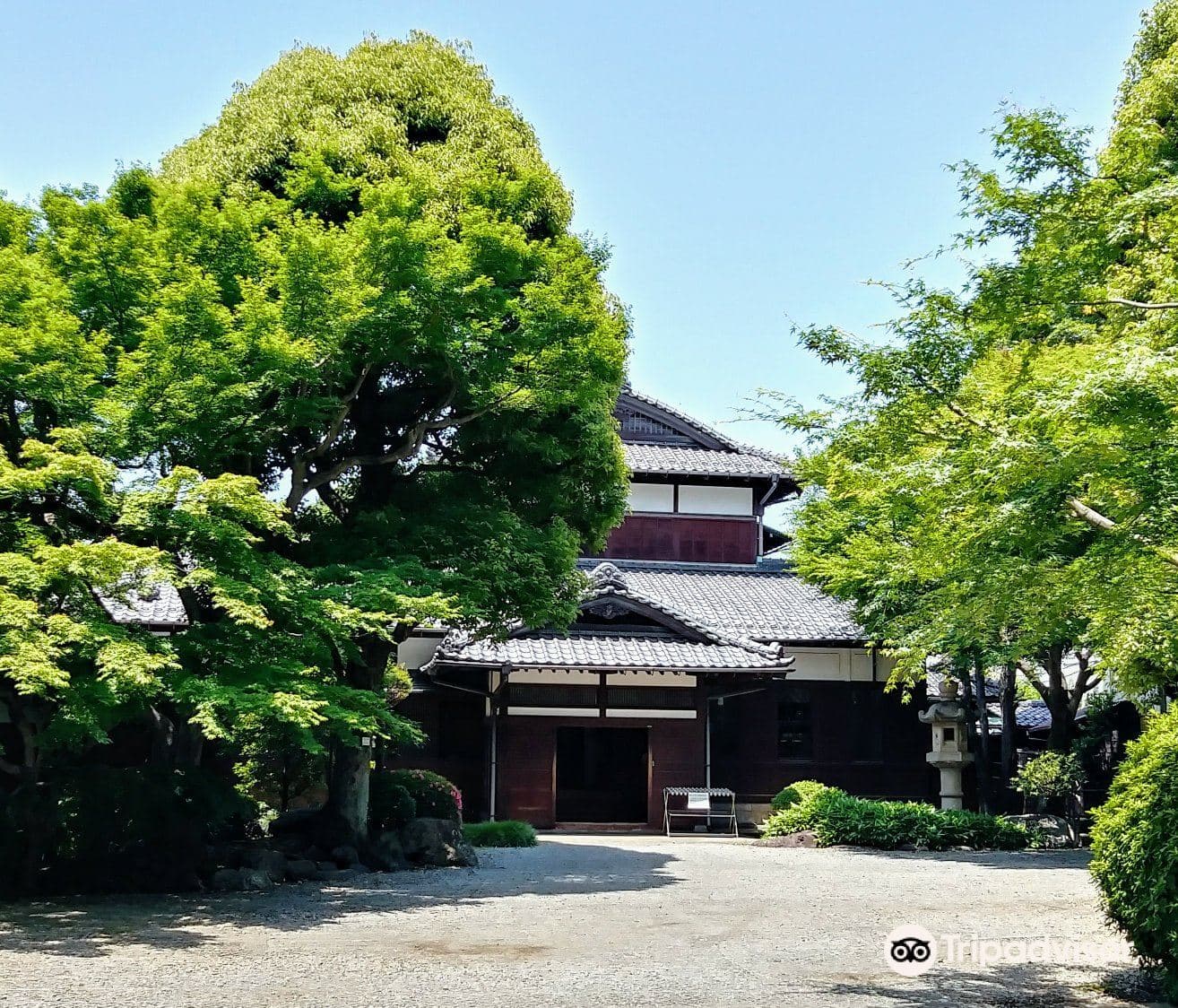
Visitors consistently note the unexpected nature of finding such an ancient and unusual artifact within a modern-looking temple. The temple itself has been rebuilt multiple times, leading to a contemporary appearance that belies the age of the Buddha relief. Reviewers appreciate the quiet atmosphere and the opportunity to see something truly unique that isn't widely publicized. The Buddha's serene expression and the intricate carving on the ancient stone are often highlighted as points of interest.
For a meaningful visit, allocate about 15-30 minutes to appreciate the Buddha and the temple grounds. It is best visited during daylight hours for optimal viewing of the relief. There are no specific items to bring, but a camera might be useful for those interested in documenting the artifact. Since it's a relatively quick stop, consider combining it with other attractions in the Hiro'o or Shibuya area.
Fukushō-ji Temple is located in Hiro'o, Shibuya City. It is accessible via public transport. The nearest station is Hiro'o Station on the Tokyo Metro Hibiya Line. From the station, the temple is typically a short walk, making it convenient for those relying on Tokyo's extensive subway system. Specific bus routes serving the Hiro'o area may also be an option, but the subway is generally the most straightforward method for tourists.
While there are no significant complaints about the Buddha itself, some visitors express surprise at the temple's modern architecture, which can initially make it feel less 'historic' than expected for housing such an ancient artifact. To mitigate this, approach the visit with an understanding that the temple's exterior is contemporary, allowing the focus to remain on the unique historical significance of the Sarcophagal Amitabha-Buddha within its grounds.