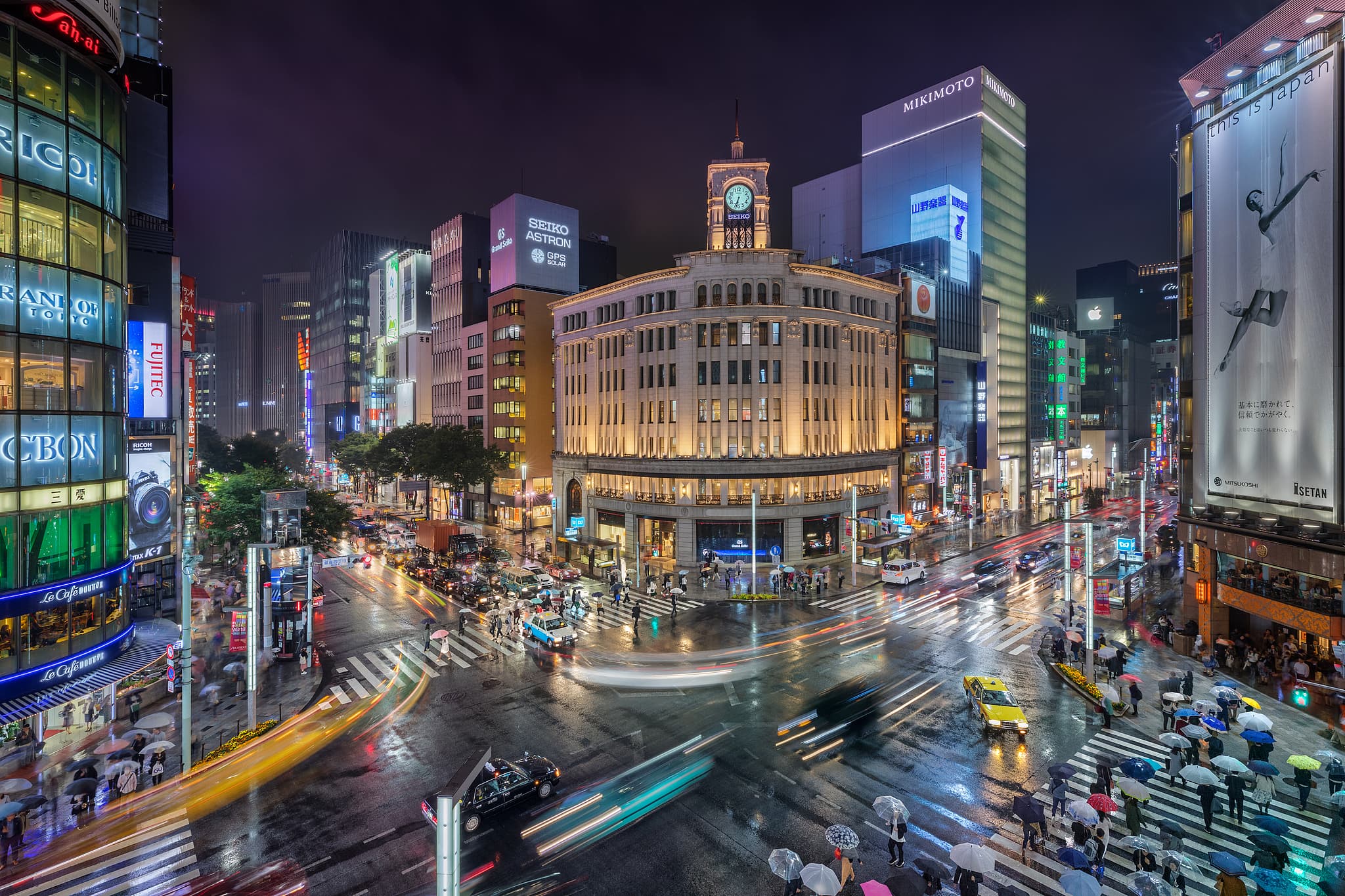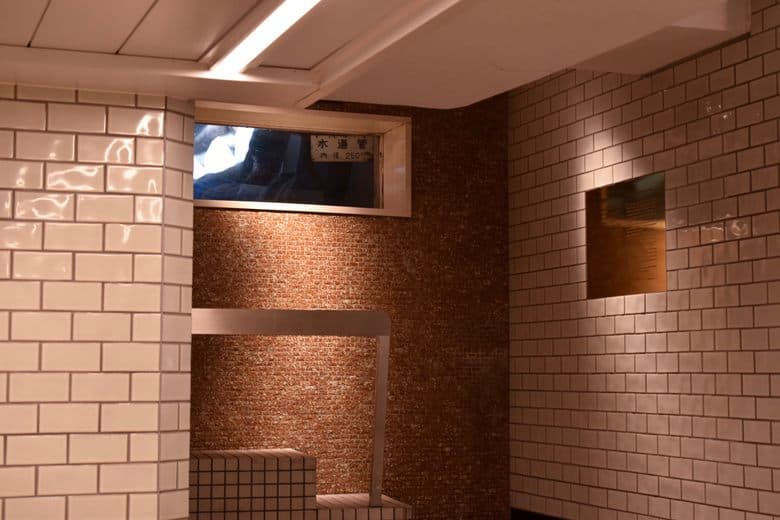
The Public Utility Conduits of Ginza represent a fascinating, if often overlooked, aspect of Tokyo's urban planning. Unlike typical underground utility placement, these conduits are bundled together and run along the sides of Central Street, allowing for maintenance without disrupting the upscale aesthetics of Ginza. This innovative engineering solution ensures the district's seamless operation and pristine appearance, making it a subtle yet significant part of the city's infrastructure.
Visitors consistently describe this as a very brief experience, often stumbled upon rather than sought out. It's essentially a window into an underground tunnel filled with pipes and cables. Reviewers note that it's a 'blink and you'll miss it' attraction, best appreciated by those with a specific interest in engineering, urban planning, or the hidden workings of a city. It's not a grand spectacle, but rather a quiet testament to Japanese efficiency and meticulous design.
To make the most of this visit, approach it as a quick, educational stop. There's no need to allocate significant time; a few minutes are sufficient to observe the conduits. It's best viewed during daylight hours when the area is bustling, as it's located near a major department store. There are no specific items to bring, nor any particular time of day that significantly enhances the experience beyond general convenience.
The conduits are located at the underground entrance of the Matsuya department store in Ginza. Ginza is well-served by public transport. The nearest subway stations are Ginza Station (served by the Ginza Line, Marunouchi Line, and Hibiya Line) and Higashi-Ginza Station (served by the Hibiya Line and Asakusa Line). From either station, the Matsuya department store is just a short walk away. Look for the underground entrance, where the viewing window is situated. Driving is generally not recommended in Ginza due to heavy traffic and limited, expensive parking.
The primary 'complaint' is that it's not a major attraction and can be underwhelming for those expecting more than a simple viewing window. To mitigate this, set your expectations appropriately: it's a quick, curious peek into infrastructure, not an immersive exhibit. It's best combined with a visit to the Matsuya department store or other shopping and dining experiences in Ginza.