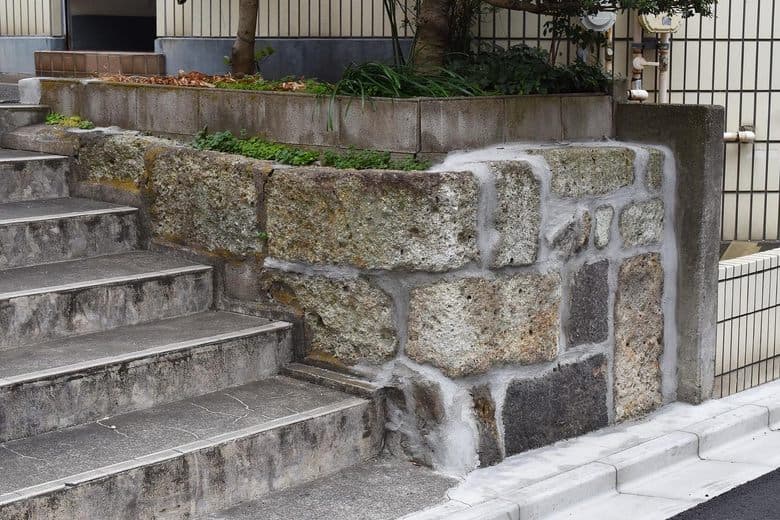
The Ohaguro Ditch Wall Ruins represent the sole surviving physical evidence of Yoshiwara, Tokyo's historic and infamous red-light district that flourished from the 17th to the 19th centuries. These unassuming stone blocks are remnants of the wall that once bordered the Ohaguro Ditch, a wide moat designed to isolate the district and prevent its inhabitants, primarily sex workers, from escaping. The site offers a tangible, if understated, connection to a significant and often somber chapter of Edo-period social history.
Visitors consistently find the ruins to be a very subtle historical marker, easily overlooked without prior knowledge. Reviewers often describe the experience as more intellectual than visually striking, emphasizing the importance of understanding the historical context to appreciate its significance. There are no grand structures or elaborate displays; instead, the site encourages contemplation of the lives lived within Yoshiwara's confines. Some visitors express a sense of melancholy or reflection upon realizing the true purpose of the ditch and its walls.
To make the most of a visit, it is highly recommended to research the history of Yoshiwara beforehand. Allocate a brief amount of time, perhaps 15-30 minutes, primarily for reflection and reading the informational plaque, if available. There is no entry fee, and the site is accessible at any time. Consider visiting during daylight hours for better visibility, though its subtle nature means it doesn't dramatically change with the time of day. This is a site for history enthusiasts rather than those seeking prominent landmarks.
The Yoshiwara area, where the ruins are located, is a little less than a half-hour's walk from either Asakusa Station or Ueno Station. While walking is an option, visitors note that taking a bus might be more convenient, especially if combining the visit with other historical sites in the broader Yoshiwara area, such as Jokan-ji Temple or the Looking-back Willow Tree. Public transport details for specific bus lines are not consistently mentioned in reviews, but local maps or navigation apps can provide the most current routes from major stations.
A common complaint is the site's inconspicuousness; many visitors report difficulty finding it or realizing its significance without specific guidance. To mitigate this, use precise GPS coordinates and look for any small interpretive signs. Manage expectations: this is not a grand ruin but a modest, almost hidden, historical fragment. Some visitors also mention the contrast between the area's historical significance and its current, more mundane appearance, which can be disappointing if one expects a more preserved historical atmosphere.