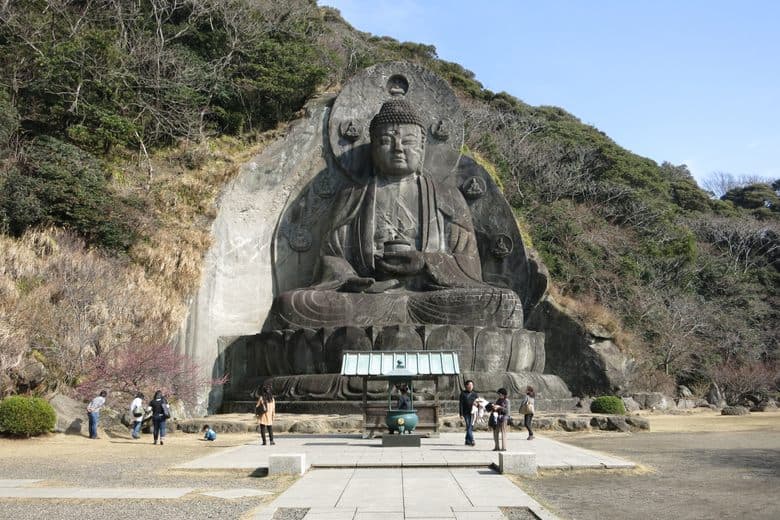
The Nihonji Daibutsu, located within the expansive grounds of Nihon-ji Temple on Mount Nokogiri, is a monumental stone-cut statue of Yakushi Nyorai, the Buddha of Healing. At over 30 meters tall, it holds the distinction of being the largest stone-carved Buddha in Japan. Originally created in 1783, the statue underwent significant restoration in the late 1960s after centuries of erosion, preserving its imposing presence and spiritual significance for visitors.
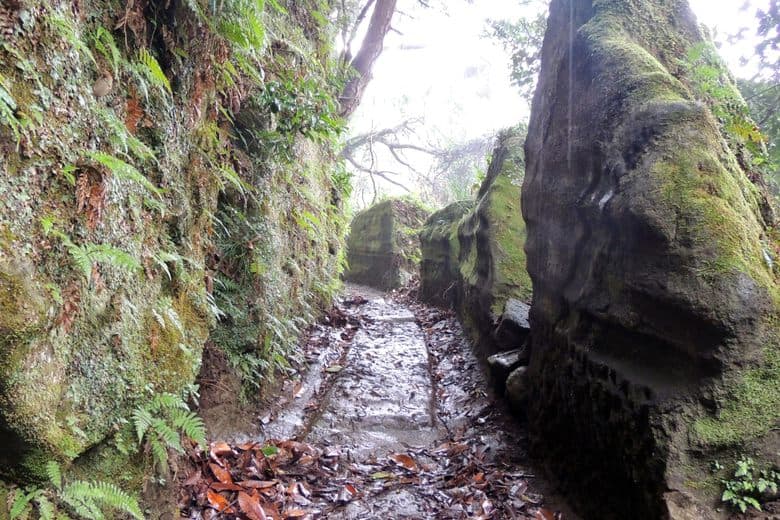
Visitors consistently praise the awe-inspiring scale of the Daibutsu and the tranquil, spiritual ambiance of the surrounding temple complex. Many reviewers highlight the unique experience of seeing such a massive statue carved directly into the mountain, contrasting it with the more famous bronze Buddhas elsewhere in Japan. The journey to reach the Daibutsu, often involving a scenic ropeway ride and a walk through the temple grounds, is frequently mentioned as part of the enjoyable experience.
To make the most of your visit, allocate at least 2-3 hours to explore the Daibutsu and the surrounding Nihon-ji Temple grounds, including the Hyaku-shaku Kannon and the "Hell Peek" viewpoint. Wear comfortable shoes suitable for walking and climbing stairs, as the terrain can be uneven and involves many steps. Bringing water, especially on warmer days, is advisable. The best time to visit is during the cooler months or early in the morning to avoid crowds and enjoy the serene atmosphere.
The Nihonji Daibutsu is situated on Mount Nokogiri. The most common way to access the temple and the Daibutsu is via the Nokogiriyama Ropeway. The ropeway station is a short walk from Hamakanaya Station on the JR Uchibo Line. Alternatively, visitors can drive to the base of the mountain, where parking is available, and then take the ropeway or hike up. Some reviewers suggest taking the ropeway up and walking down to fully experience the temple grounds.
A common complaint among visitors is the sheer number of stairs and the physical exertion required to navigate the extensive temple grounds. To mitigate this, pace yourself, take breaks, and consider using the ropeway for at least one leg of the journey. Some areas might be challenging for those with mobility issues, so plan accordingly and prioritize which sections of the temple you wish to see.