The Nigao-e Coin Laundry is a series of laundromats in Tokyo's Shibamata district, distinguished by their walls covered entirely with hand-drawn portrait sketches, known as nigao-e. What started as a pastime for the owner during slow business hours has evolved into a unique, informal art gallery, offering a surprising cultural experience in an unexpected setting. It's a testament to how everyday spaces in Japan can be transformed into something truly distinctive.
Visitors consistently praise the laundromat for its quirky charm and the sheer volume of artwork. Many are delighted by the unexpected discovery of famous faces, both Japanese and international, alongside more obscure local figures. The atmosphere is generally described as quiet and contemplative, allowing for a relaxed viewing experience while waiting for laundry. There are no specific warnings from visitors, as the experience is largely self-guided and low-key.
To fully appreciate the art, visitors should allocate about 30 minutes to an hour, depending on whether they are also doing laundry. It's best visited during off-peak laundry hours to avoid crowds, though it's rarely very busy. There's no entry fee, making it an accessible and free cultural stop. Bringing a camera is recommended for capturing the unique interior. Since it's a working laundromat, visitors might consider bringing a small bag of laundry to fully immerse themselves in the experience.
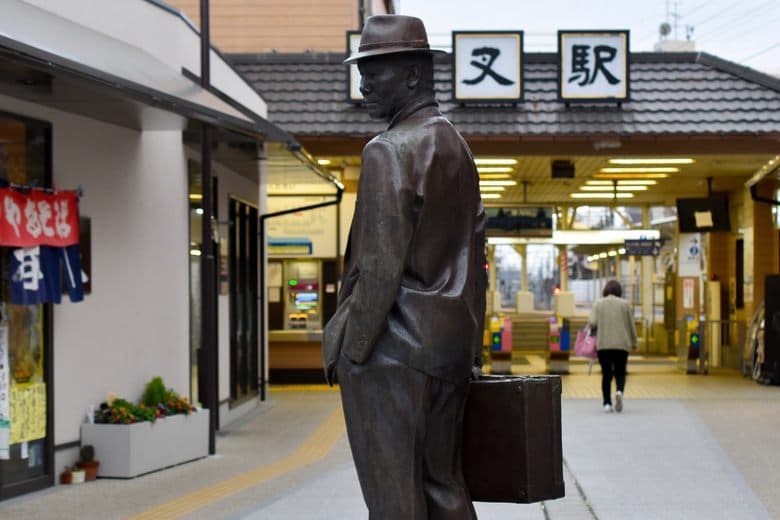
The Nigao-e Coin Laundry locations are all within the Shibamata district of Katsushika City, Tokyo. Shibamata is accessible via the Keisei Kanamachi Line to Shibamata Station. From the station, the laundromats are typically within a 5-10 minute walk. Specific addresses for each of the four locations can be found online, but they are all concentrated in the same neighborhood. Public transport is the most convenient way to reach Shibamata.
Common complaints are virtually non-existent, as the laundromat delivers exactly what it promises: a unique visual experience in a functional space. Any minor inconveniences would likely be related to standard laundromat operations, not the art itself. Visitors should simply be aware that it is a small, local business and not a grand museum, managing expectations accordingly.