The National Astronomy Observatory Japan (NAOJ) Mitaka Campus is the historical heart of Japanese astronomy, serving as the headquarters for one of the nation's leading research institutions. Established to escape the light pollution of growing Tokyo, the campus houses several historic observatory facilities, some dating back to the early 20th century, alongside modern research buildings. It's a place where scientific heritage meets tranquil natural surroundings, offering a unique educational and recreational experience.
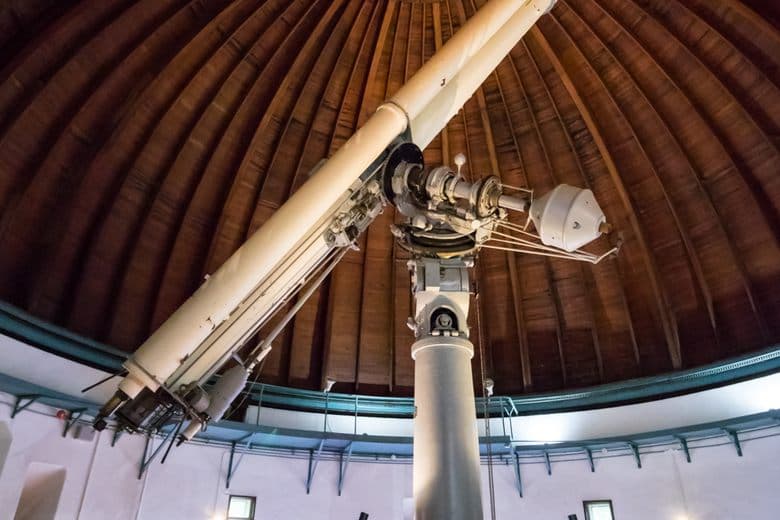
Visitors consistently praise the campus for its peaceful and spacious environment, often describing it as a refreshing escape from the urban density of Tokyo. Many highlight the opportunity to see historic telescopes up close, such as the 20-cm Telescope Dome and the 65-cm Telescope Dome (now the Observatory History Museum), which provide a tangible connection to Japan's scientific past. The presence of the 2,000-year-old Tenmondai-Konai Kofun (burial mound) and the charming Mitaka Picture Book House adds unexpected layers of cultural and historical interest, making the visit more diverse than just an astronomical outing. Reviewers frequently recommend taking your time to wander the grounds and enjoy the greenery.
To make the most of your visit, plan to spend at least 2-3 hours exploring the campus. It's advisable to wear comfortable walking shoes as you'll be covering a fair amount of ground. Bringing a water bottle is also a good idea, especially during warmer months. While the campus is a working research institute, visitors are welcome to walk around the grounds and access certain buildings like the exhibition room. The canteen and souvenir shop in the Cosmos Lodge are open to the public, offering a convenient option for a break or a memento. Check the official website for information on special events like stargazing parties or planetarium shows, as these often require reservations and can significantly enhance your experience.
The NAOJ Mitaka Campus is located in Mitaka, a western suburb of Tokyo. The main entrance faces Tenmondai Dori (Observatory Street). While specific public transport lines aren't detailed in the provided information, Mitaka is accessible via train from central Tokyo. Once in Mitaka, local buses or a taxi would likely be the most convenient way to reach the campus. Visitors are asked to sign in at the guard house upon arrival. Parking information is not explicitly mentioned, so public transport is generally recommended for ease of access in Tokyo.
A common point to note is that while the campus is open to the public, not all buildings are accessible. Visitors should respect the ongoing research activities and avoid attempting to enter office buildings or locked facilities without permission. Staying on designated paths is also requested to preserve the natural environment and ensure safety. Some visitors might find the information available primarily in Japanese, so having a translation app or a basic understanding of Japanese can be helpful for deeper engagement with exhibits.