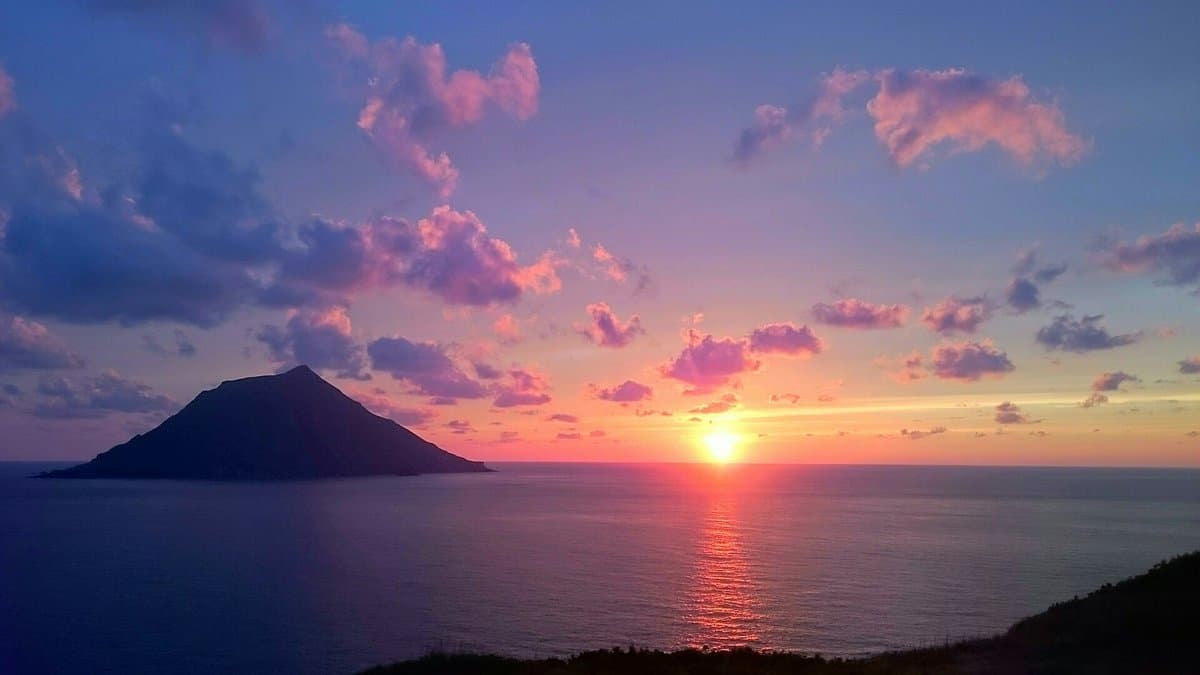
Nambara Senjojiki is a distinctive coastal area on Hachijo-jima, characterized by vast, flat expanses of black lava rock that extend into the ocean. This unique geological formation is the result of ancient lava flows from Hachijo-Fuji, creating a rugged and dramatic landscape that stands in stark contrast to the surrounding blue waters. It's a significant natural landmark, offering a glimpse into the island's volcanic origins and providing a powerful sense of nature's raw power.
Visitors consistently praise the breathtaking views, particularly the sight of Hachijokojima (a smaller island) across the sea. Many reviewers highlight Nambara Senjojiki as an exceptional spot for watching the sunset, describing the experience as truly amazing. The rugged black rocks themselves are a major draw, with their unique textures and formations providing excellent photo opportunities. The proximity to a camping and BBQ site is also noted by some, suggesting additional recreational possibilities in the area.
When visiting, it's advisable to wear sturdy shoes suitable for walking on uneven, rocky terrain. While the views are spectacular, especially at sunset, visitors should be mindful that waves can be rough, so caution near the water's edge is recommended. The best time to visit is late afternoon to early evening to catch the sunset. There's no entry fee, making it an accessible natural attraction. Plan to spend about 1-2 hours to fully appreciate the landscape and take photos.
Nambara Senjojiki is located in Okago, Hachijo-jima. Given its island location, access typically involves arriving on Hachijo-jima by plane or ferry. Once on the island, local buses or rental cars are the primary modes of transport. Specific bus routes or stops directly adjacent to Senjojiki are not widely detailed in reviews, suggesting that a rental car might offer more flexibility for reaching this and other natural sights on the island. Parking is generally available at such natural attractions.
While there are no significant complaints, visitors should be aware of the potentially rough waves and uneven ground. Staying on designated paths or safe areas away from the immediate coastline can mitigate any risks associated with the ocean conditions. There are no facilities directly at the site, so bringing water and any necessary supplies is recommended.