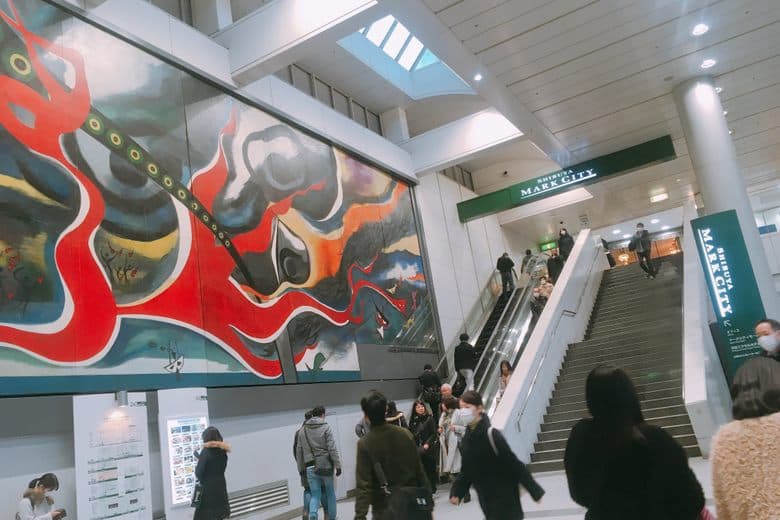
The "Myth of Tomorrow" is a colossal mural by the renowned Japanese artist Tarō Okamoto, serving as a powerful and somber depiction of an atomic bomb explosion. Often likened to a "Guernica for the atomic age," it commemorates the victims of Hiroshima and Nagasaki, making it a significant piece of public art that prompts reflection on a pivotal moment in human history. Its prominent location within one of Tokyo's busiest transportation hubs ensures that its message reaches a vast audience daily.
Visitors consistently praise the mural's immense scale and emotional impact, often expressing surprise at finding such a profound artwork in a bustling train station. Many reviewers highlight its thought-provoking nature and the stark contrast between its grim subject matter and the vibrant energy of Shibuya. The mural's intricate details and the artist's unique style are frequently admired, with some visitors noting how it stands out amidst the commercial advertisements. However, some visitors mention that its location in a high-traffic area can make it challenging to fully appreciate without feeling rushed, and the lack of prominent signage means many pass by without noticing its significance.
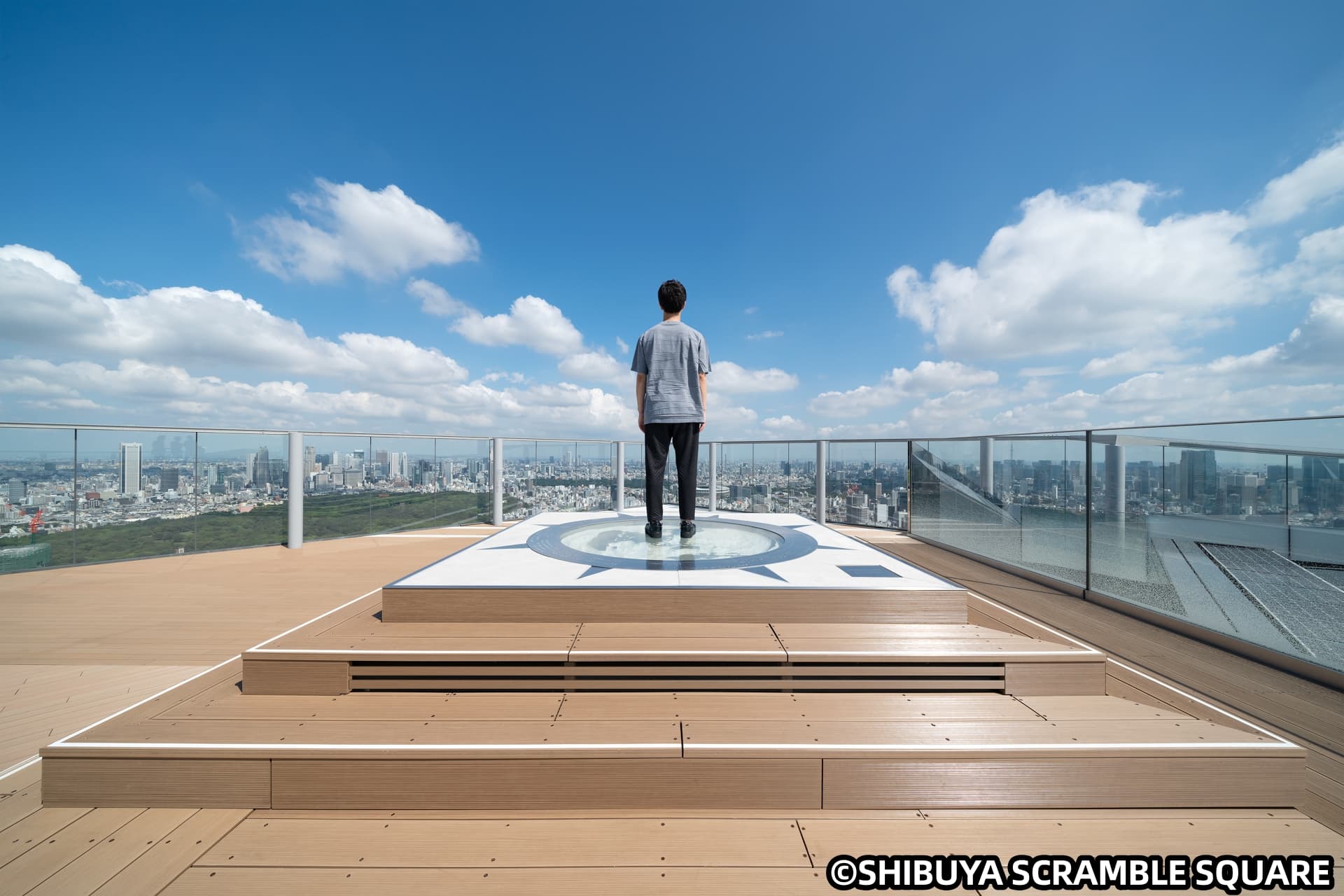
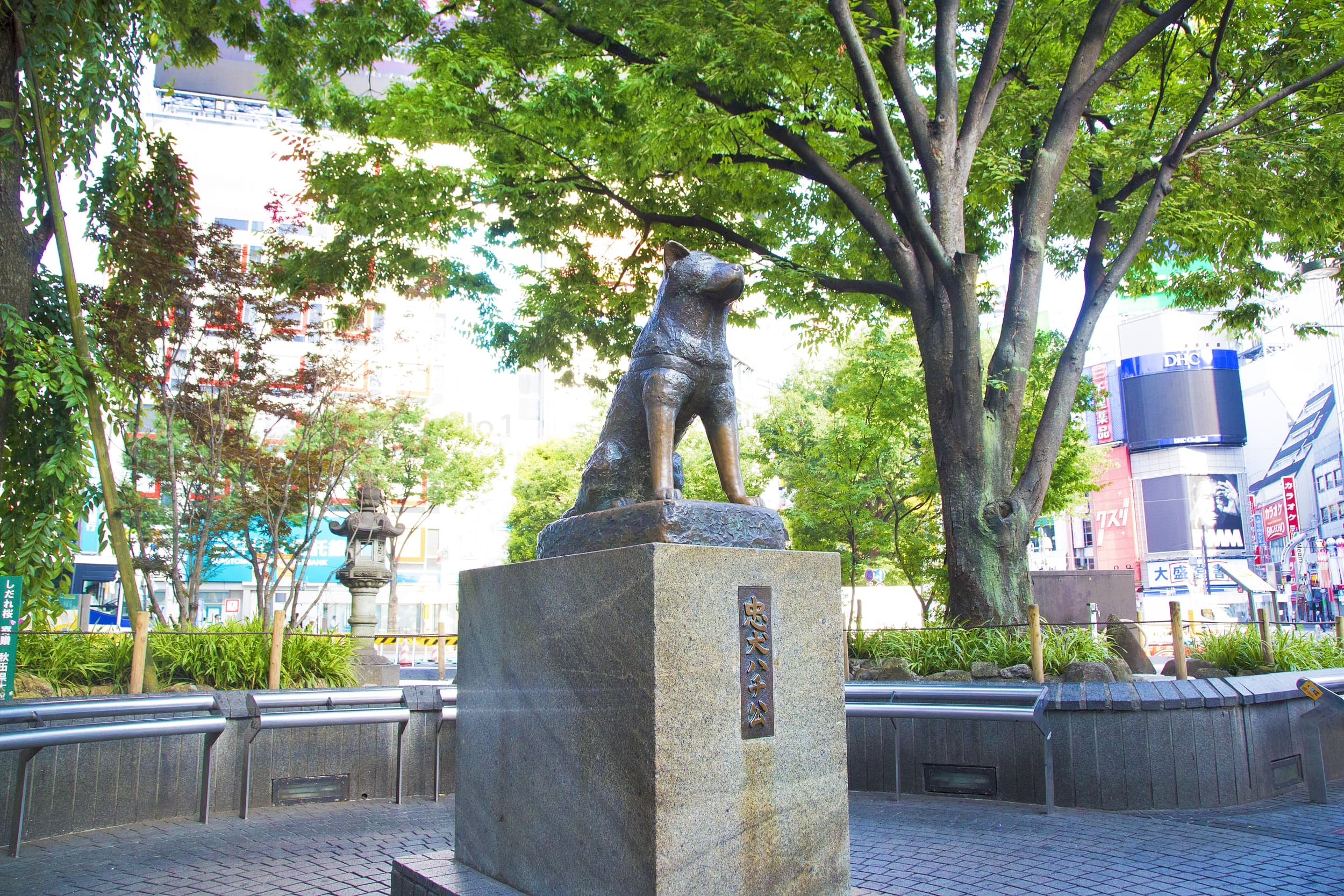
To best experience the mural, aim for off-peak hours, such as early mornings or late evenings, to avoid the densest crowds. While there's no specific time limit, 10-15 minutes is usually sufficient to observe the details and reflect on its message. There's no need to bring anything specific, as it's a visual experience. Since it's located in a public walkway, there are no entry fees or special requirements. Consider combining your visit with other Shibuya attractions like the Scramble Crossing or Hachiko statue, as they are all in close proximity.
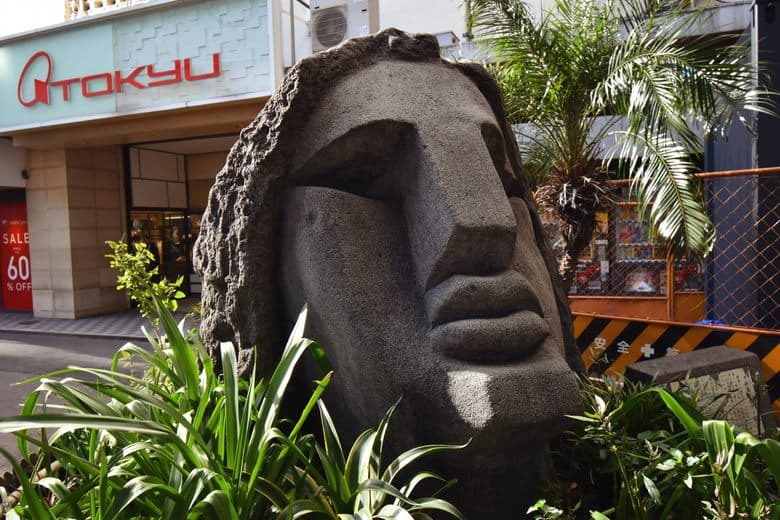
The mural is conveniently located on the second floor of Shibuya Station, specifically in an enclosed elevated walkway that spans Jingu-dori Street. This walkway connects the JR train platforms on the east side of the station with the Keio train platforms and the Mark City shopping complex on the west side. It's situated just south of the famous Shibuya Scramble Crossing and the Hachiko statue, and north of the Moyai Statue. While Shibuya Station is a major hub served by numerous JR lines (Yamanote, Saikyo, Shonan-Shinjuku) and subway lines (Ginza, Hanzomon, Fukutoshin), as well as private lines (Keio Inokashira, Tokyu Toyoko, Tokyu Den-en-toshi), there are no specific signs within the station pointing to the mural. It is, however, marked on Google Maps. The walkway is visible from the Scramble Crossing, and you can even glimpse the mural through its windows from there. The best viewing spot is often from the windows on the opposite side of the walkway. Importantly, this area is outside the ticket gates, so you can access it without needing a train ticket.
A common complaint is the difficulty in finding the mural due to the lack of signage within the sprawling Shibuya Station. To mitigate this, use a map application like Google Maps to pinpoint its exact location before you arrive. Another issue is the constant flow of people, which can make it hard to stand and observe for an extended period. To counter this, try to find a moment when the crowds thin, or position yourself slightly to the side to avoid obstructing pedestrian flow. Despite the crowds, many find the experience rewarding, emphasizing the mural's powerful presence even amidst the urban rush.