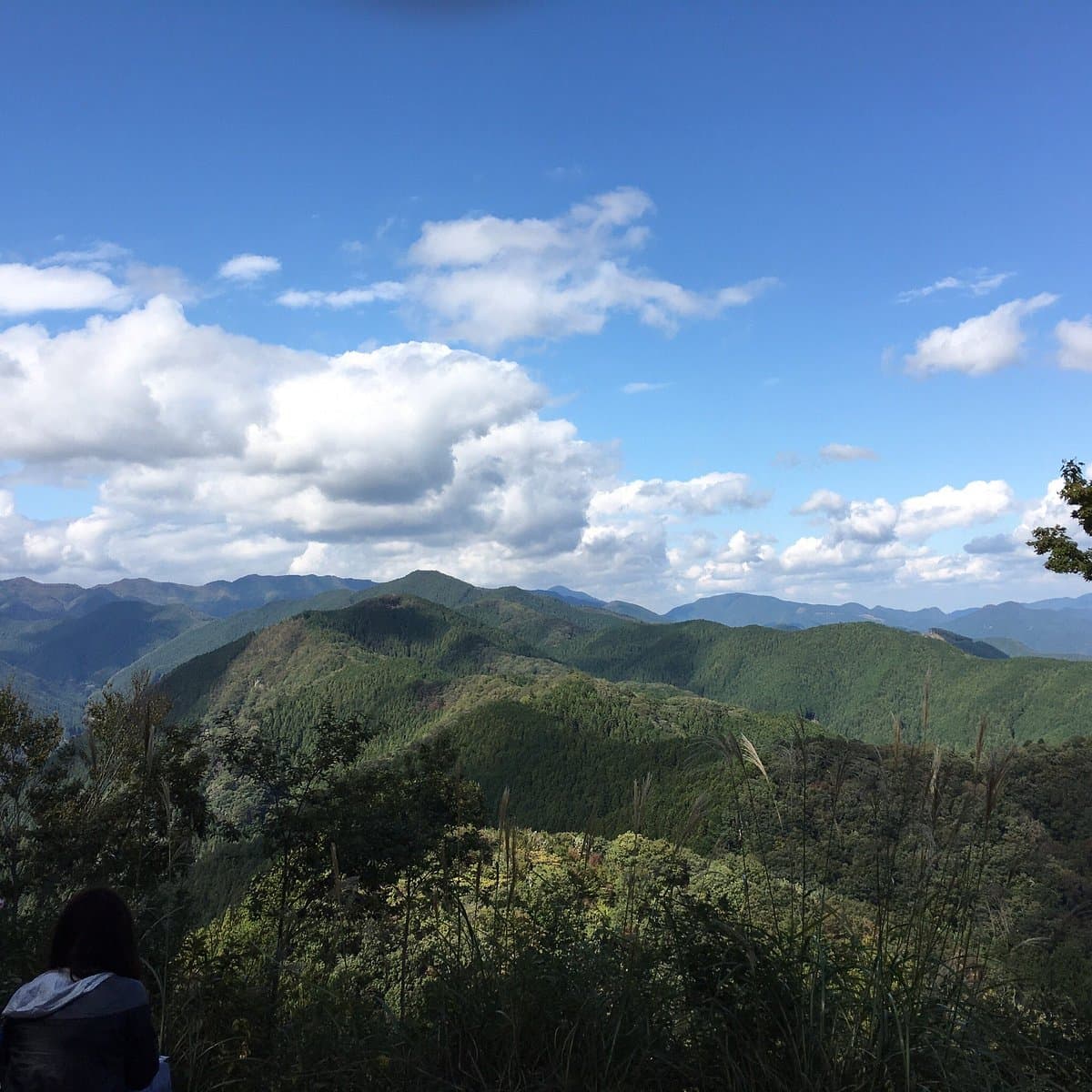
Mt. Iwatake Ishiyama is a modest peak offering a straightforward hiking experience in the Tokyo Prefecture. It's known for its accessibility and provides a quick escape into nature, making it a suitable option for those looking for a less strenuous outdoor activity compared to more challenging mountain trails in Japan.
Visitors consistently praise the ease of the hike, often describing it as suitable for families or those with limited time. The autumn foliage is frequently highlighted as a major draw, transforming the landscape into a vibrant display of colors. Reviewers note that the trail is well-maintained and generally not crowded, offering a peaceful experience. However, some visitors mention that the views from the summit, while pleasant, are not as expansive or dramatic as those from higher, more renowned mountains. The overall experience is often described as short and sweet, a good option for a half-day outing rather than a full-day excursion.
For a comfortable visit, wear appropriate walking shoes, as some parts of the trail can be uneven. Bringing water is advisable, especially during warmer months, as facilities on the mountain are limited. The best time to visit is during the autumn for the foliage, or in spring for pleasant weather. A typical visit lasts about 1-2 hours for the round trip, including time at the summit. To make the most of your trip, consider combining it with other nearby attractions or a picnic at the top.
Information on public transport to Mt. Iwatake Ishiyama is scarce in visitor reviews. Given its location in Tokyo Prefecture, it is generally assumed that access would involve a train journey to a nearby station, followed by a local bus or a taxi, or potentially a longer walk. Specific bus routes or station names are not frequently mentioned by visitors, suggesting that detailed planning for the final leg of the journey might be necessary. Driving might be an option for those with access to a car, but parking availability is not detailed in reviews.
A common complaint is the relatively short duration of the hike and the somewhat limited panoramic views compared to other Japanese mountains. To mitigate this, manage your expectations and view it as a pleasant, accessible walk rather than a challenging mountaineering expedition. Consider it a refreshing break from urban environments rather than a grand natural spectacle.